CBD oil remains one of the most talked-about natural supplements, but separating useful information from marketing hype is essential before buying or trying it. Here’s a practical guide to what CBD oil can do, how to choose a quality product, safe usage tips, and red flags to watch for.
What CBD oil is and how it works
CBD (cannabidiol) is a non-intoxicating compound found in hemp plants. It interacts with the body’s endocannabinoid system, which helps regulate sleep, mood, inflammation, and pain perception. While research suggests CBD may support wellness in several areas, effects can vary widely by person, dose, and product quality.
Common uses and realistic expectations
People commonly use CBD oil for:
– Occasional sleeplessness or restlessness
– Mild, everyday stress or anxious feelings
– Temporary joint or muscle discomfort
– Support for post-workout recovery or skin inflammation when used topically
Language like “may help” is important—CBD is a supportive wellness tool for many, not a guaranteed cure.
Individual responses differ, and more robust clinical evidence is still developing for some uses.
Choosing a high-quality product
Not all CBD oils are created equal. Key things to check:
– Source: Hemp grown in reputable regions with transparent farming practices reduces contamination risk.
– Extraction method: CO2 extraction preserves cannabinoids and avoids solvent residues; ethanol extraction can be acceptable when performed safely.
– Spectrum: Full-spectrum oils contain CBD plus small amounts of other cannabinoids and terpenes (including trace THC), which may enhance effects; broad-spectrum removes THC; isolates contain pure CBD.
– Third-party lab testing: Look for a Certificate of Analysis (COA) from an accredited lab showing cannabinoid content and tests for pesticides, heavy metals, solvents, and microbial contaminants. Match the COA batch number to the bottle.
– Ingredients and carrier oil: Common carriers are MCT (fractionated coconut) oil or cold-pressed hemp seed oil.
Avoid products with unnecessary additives or artificial flavors.
Safe dosing and administration
Start low and increase slowly to assess tolerance. Typical approaches:
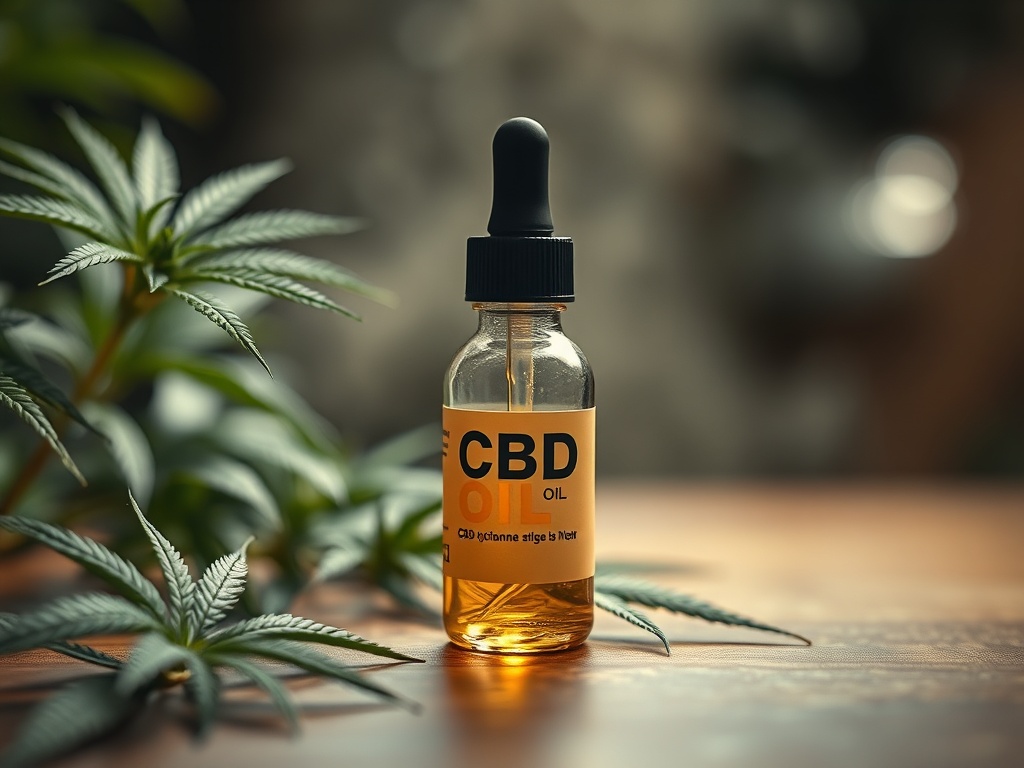
– Sublingual tinctures: Place drops under the tongue for faster absorption. Good for precise dosing.
– Capsules: Convenient for consistent dosing but slower onset.
– Edibles and gummies: Longer onset and variable absorption due to digestion.
– Topicals: Applied directly for localized relief without systemic effects.
Many people begin with a small daily dose and adjust over days to weeks. Keep a log of dose, timing, and effects to find what works.
Always consult a healthcare professional before combining CBD with prescription medications—CBD can alter blood levels of drugs metabolized by cytochrome P450 enzymes, including blood thinners and certain antidepressants.
Safety, side effects, and storage
CBD is generally well tolerated.
Possible side effects include drowsiness, dry mouth, mild digestive upset, and appetite changes. Avoid driving or operating heavy machinery until you know how a product affects you. Store CBD oil in a cool, dark place and keep out of reach of children and pets.
Legal and regulatory notes
The legal status of CBD varies by jurisdiction. Hemp-derived CBD products are widely available but local laws differ regarding THC content and retail rules. Check local regulations before purchasing or traveling with CBD products.
Final buying checklist
– Verified COA linked to the product batch
– Clear labeling of CBD per serving and total CBD per bottle
– Transparent sourcing and extraction details
– Suitable spectrum (full, broad, or isolate) for your needs
– Reasonable price for concentration—very low prices can indicate poor quality
For safe, effective results, choose reputable brands, start with conservative doses, monitor how you feel, and consult a healthcare provider when in doubt.