CBD oil remains one of the most talked-about natural products for people exploring plant-based wellness. With a growing body of research and expanding product options, it’s important to know how CBD works, how to choose a quality product, and what safety considerations to keep in mind.
How CBD oil works
Cannabidiol (CBD) interacts with the body’s endocannabinoid system, a network involved in regulating sleep, mood, pain perception, and immune response.
Unlike THC, CBD does not cause intoxication.
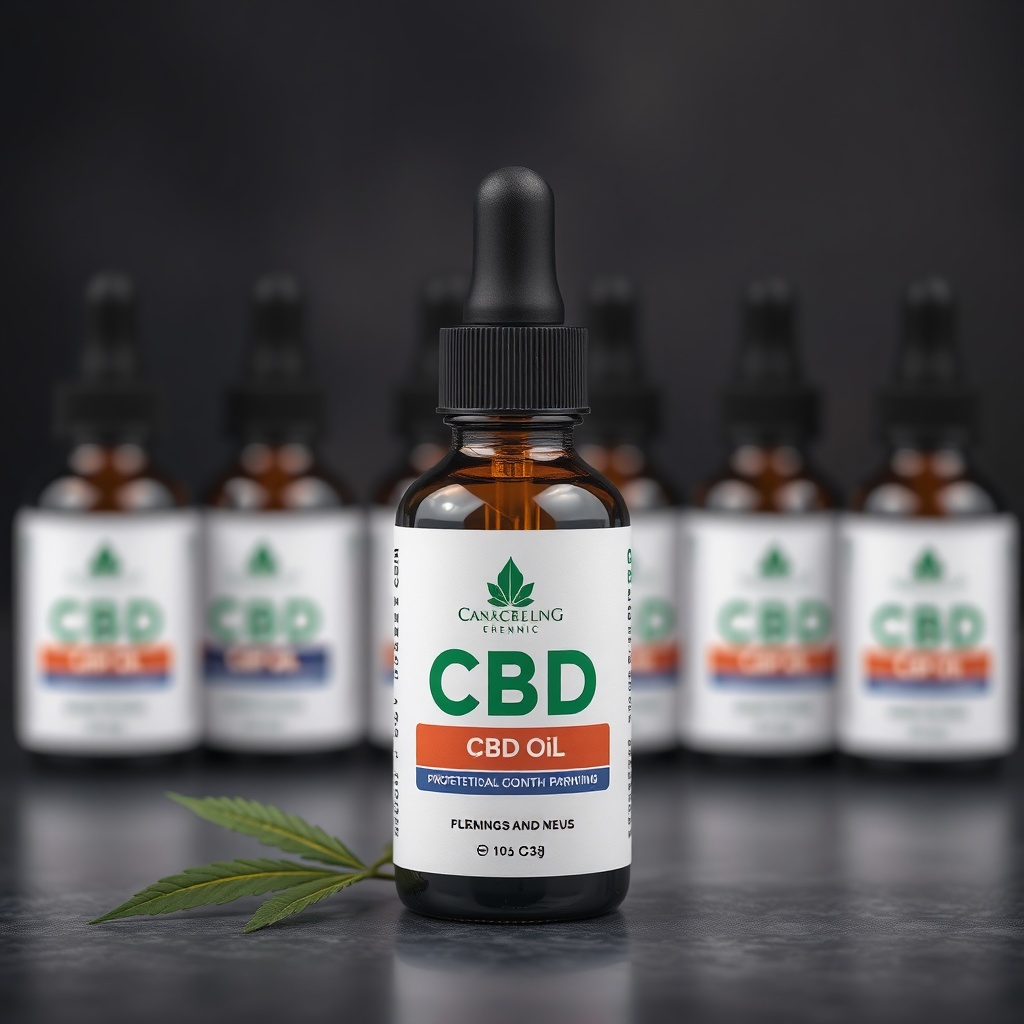
Users report effects such as reduced anxiety, improved sleep, and eased discomfort, though outcomes vary and depend on dose, product type, and individual physiology.
Choosing the right product
Not all CBD oils are created equal.
Look for these markers of quality:
– Third-party lab testing (Certificate of Analysis): confirms potency and screens for contaminants like pesticides, heavy metals, and residual solvents.
– Clear labeling: lists total CBD per bottle, concentration per serving, extraction method, and cannabinoid profile (full-spectrum, broad-spectrum, or isolate).
– Extraction method: CO2 extraction is considered a clean method that preserves cannabinoids and terpenes; ethanol extraction can also be high quality when done correctly.
– Carrier oil and packaging: MCT oil is a common carrier that supports absorption; dark glass bottles help protect oil from light degradation.
– Price per mg: helps you compare value between brands.
Full-spectrum vs broad-spectrum vs isolate
– Full-spectrum contains CBD plus other cannabinoids and trace amounts of THC, which may contribute to an “entourage effect.”
– Broad-spectrum removes THC but retains other cannabinoids and terpenes.
– Isolate is pure CBD with no other cannabinoids. Choose based on sensitivity to THC, drug-testing needs, and product goals.
How to use CBD oil
Methods and onset times vary:
– Sublingual tinctures: place under the tongue for quicker absorption, usually within minutes to an hour.
– Capsules: convenient for consistent dosing, but slower onset due to digestion.
– Topicals: applied directly to the skin for localized relief.
– Vaping: rapid onset but carries respiratory risks and may not be suitable for everyone.
Start low and go slow: begin with a low dose and increase gradually while tracking effects. Consistent daily use often yields clearer results than intermittent dosing.
Safety and interactions
CBD is generally well tolerated, but possible side effects include drowsiness, dry mouth, changes in appetite, and gastrointestinal upset. CBD can interact with certain medications by affecting liver enzymes (CYP450 family), which can alter blood levels of drugs like blood thinners and some seizure medications. Consult a healthcare provider before starting CBD, especially if you take prescription medications, have liver issues, or are pregnant or breastfeeding.
Legality and regulation
Legal status varies by country and region. In many places, hemp-derived CBD products with very low THC are legal, but regulations differ widely and enforcement can change. Look for products that comply with local regulations and avoid brands making unverified medical claims.
Storage and shelf life
Store CBD oil in a cool, dark place away from heat and direct sunlight. Properly stored oils typically retain potency for months; check the product label for recommended shelf life.
Final notes
CBD oil offers promising benefits for many people, but quality, dosing, and safety matter.
Prioritize reputable brands with transparent testing, consult a healthcare professional for personalized guidance, and monitor your response as you find what works best.