Marijuana is experiencing broad cultural and commercial shifts as acceptance grows, research expands, and product options multiply. Whether you’re curious about medical benefits, choosing a consumption method, or trying to stay safe and compliant, understanding the essentials helps make better decisions.
Medical versus recreational use
Cannabis contains hundreds of compounds called cannabinoids; the most well-known are THC (tetrahydrocannabinol) and CBD (cannabidiol). THC is primarily responsible for psychoactive effects, while CBD is non-intoxicating and is often used for anxiety, inflammation, or sleep support. Medical cannabis is increasingly recommended for conditions like chronic pain, multiple sclerosis spasticity, chemotherapy side effects, and some seizure disorders, but clinical evidence varies by condition and product.
Recreational use focuses on enjoyment, relaxation, or social experiences. Products now offer a wide range of cannabinoid ratios and terpene profiles, allowing users to choose effects that lean more euphoric, calming, uplifting, or focused.
Consumption methods and dosing
How you consume marijuana greatly affects onset, intensity, and duration of effects:
– Smoking and vaping: Provide rapid onset—useful for symptom relief or controlling dose—but carry respiratory risks. Use reputable devices and avoid unregulated cartridges.
– Edibles: Produce slower onset and longer duration; start with a low dose and wait ample time before consuming more to avoid overconsumption.
– Tinctures and sublinguals: Offer moderate onset and more predictable dosing than edibles.
– Topicals: Targeted relief for localized pain or inflammation without psychoactive effects.
Dosing is highly individual. New or infrequent users should start low and go slow, especially with THC.
Accurate labeling and lab testing from reputable sources help ensure consistent dosing.
Safety, interactions, and impairment
Marijuana can interact with prescription medications, particularly those metabolized by the liver’s cytochrome P450 system. Discuss cannabis use with a healthcare provider to review potential interactions and contraindications. Avoid operating vehicles or heavy machinery while impaired; impairment can be subtle but still dangerous.
Keep cannabis products in childproof containers and store them securely away from children and pets. Be cautious with flavoring and packaging that resemble candy—edibles should be clearly labeled and stored separately.
Legal and workplace landscape
Legal status varies widely by jurisdiction for both recreational and medical use. Licensing, age limits, possession amounts, and public-use rules differ, and workplace policies on testing and impairment remain complex. Even where cannabis is legal, employers may maintain zero-tolerance drug policies. Always verify local regulations and workplace rules before consuming.
Cultivation and sustainability
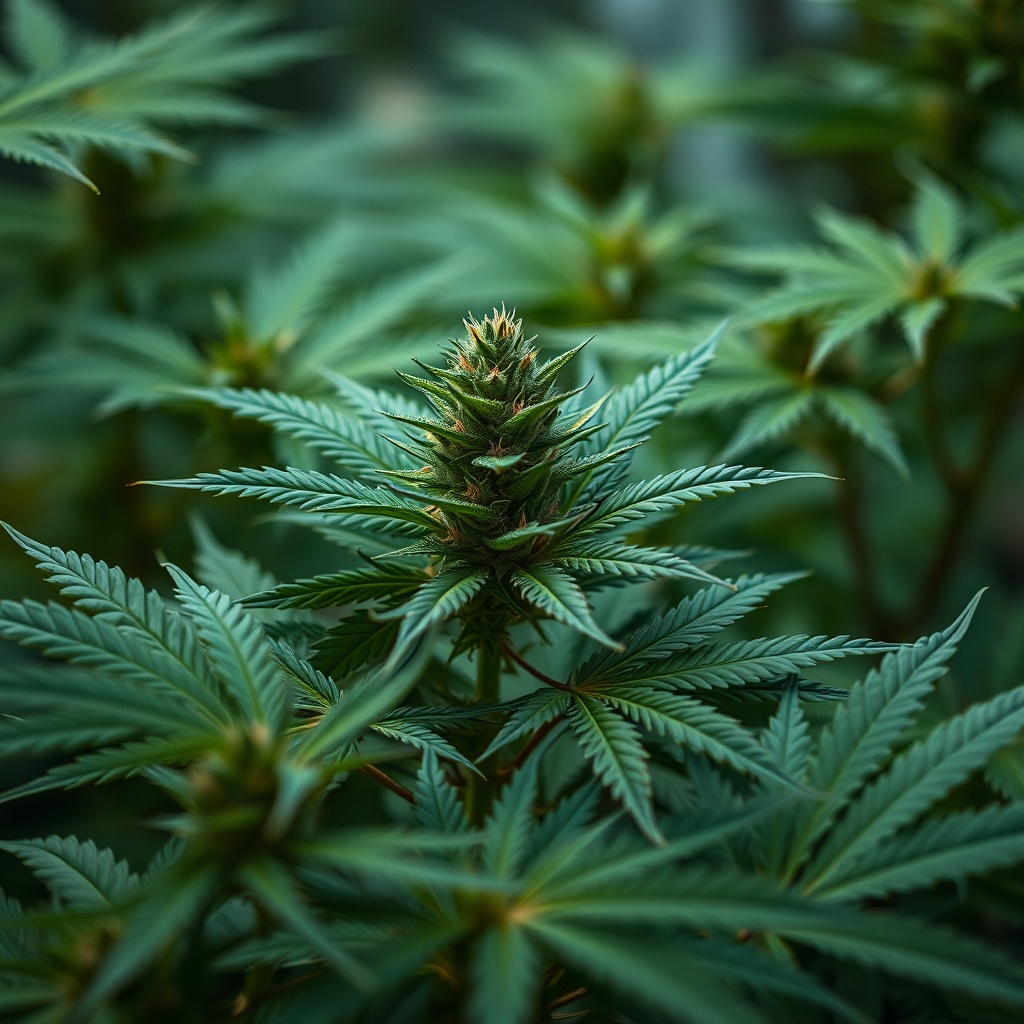
Home growing has become more accessible with compact LED lighting, automated nutrient systems, and genetics bred for specific traits. Sustainable practices—using integrated pest management, conserving water, and choosing energy-efficient lights—reduce environmental impact. Hemp cultivation remains important for industrial uses like textiles and bioplastics; hemp-derived CBD products occupy a distinct regulatory space from marijuana in many places.
Choosing quality products
Select products tested by independent labs for potency and contaminants (pesticides, heavy metals, residual solvents).
Trusted dispensaries and brands provide certificates of analysis and clear ingredient lists. Look for products tailored to your goals—pain relief, sleep support, or recreational enjoyment—and prefer formulations with transparent cannabinoid and terpene information.
The cannabis landscape continues to evolve, with growing scientific inquiry, diversified consumer products, and shifting regulatory frameworks.
Prioritizing safety, accurate dosing, and compliance with local laws will help people make informed choices that suit their needs and lifestyles.