CBD oil continues to attract attention for its potential wellness benefits and versatile uses.
Whether you’re curious about alleviating everyday stress, managing occasional pain, or exploring natural sleep support, understanding what to look for and how to use CBD oil safely will help you make informed choices.
What is CBD oil?
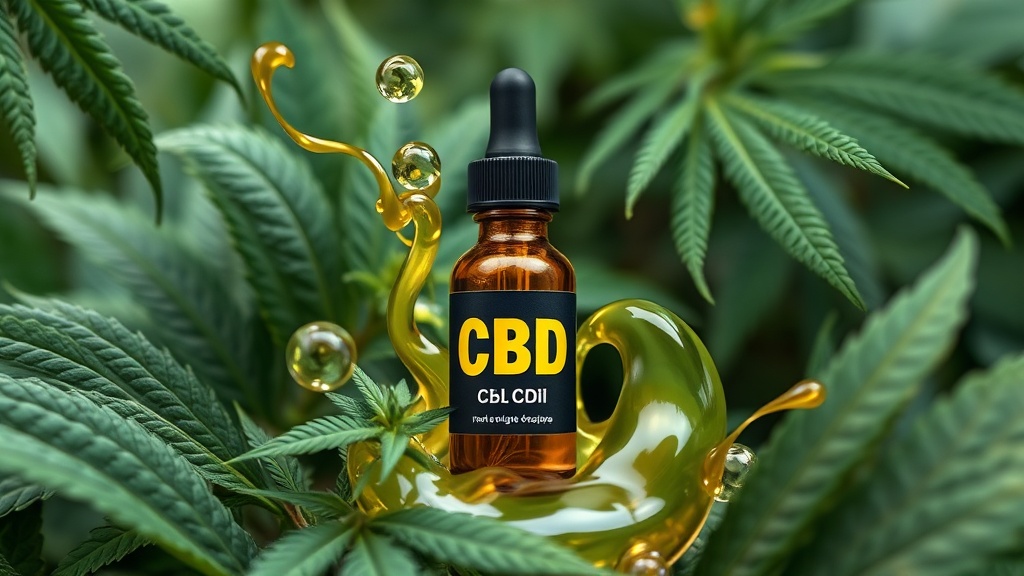
CBD (cannabidiol) is a non-intoxicating compound found in hemp and cannabis plants. CBD oil typically combines a CBD extract with a carrier oil such as MCT (medium-chain triglyceride) oil or hemp seed oil to improve absorption and dosing convenience. Unlike THC, CBD does not produce a “high” at normal dosages.
Types of CBD products
– Full-spectrum: Contains CBD plus other plant compounds, including trace amounts of THC and natural terpenes. The combined effect of these components is often called the “entourage effect.”
– Broad-spectrum: Includes CBD and other cannabinoids/terpenes but with THC removed.
– CBD isolate: Pure CBD with no other cannabinoids or terpenes.
Extraction and quality matter
Extraction methods strongly influence product quality.
CO2 extraction is widely regarded as a clean, efficient technique that preserves cannabinoids and terpenes without leaving solvent residues. Look for brands that use CO2 extraction and source organically grown hemp from reputable farms.
How to choose a reliable product
– Third-party lab reports (COAs): Every reputable brand should offer a Certificate of Analysis showing cannabinoid potency and screenings for pesticides, heavy metals, and residual solvents. Verify that the COA matches the product batch.
– Clear labeling: Potency per serving, recommended serving size, and ingredient list should be easy to find.
– Transparent sourcing: Brands that disclose where their hemp is grown and how extracts are processed tend to be more trustworthy.
– Customer reviews and brand reputation: Real-world feedback can reveal consistency and effects.
Dosage and how to use CBD oil
Start low and go slow. Begin with a low dose—often a few milligrams—and increase gradually while tracking effects. Common delivery methods include:
– Sublingual tinctures: Placing drops under the tongue allows faster absorption and onset within minutes to an hour.
– Capsules: Offer consistent dosing but slower onset due to digestion.
– Topicals: Lotions and balms applied to the skin for localized relief.
– Edibles and beverages: Convenient, longer-lasting effects but slower onset.
Safety and potential interactions
CBD is generally well tolerated, but side effects can include drowsiness, dry mouth, and changes in appetite. CBD can interact with medications metabolized by the liver’s CYP450 enzyme system, including certain blood thinners and seizure medications. Consult a healthcare provider before combining CBD with prescription drugs, particularly if you take medication for heart conditions, mental health, or seizures.
Legal and practical considerations
Legal status varies by jurisdiction and often hinges on the THC content and hemp regulations. Many regions allow hemp-derived CBD with only trace amounts of THC, but restrictions differ.
When traveling, check local laws before carrying CBD products.
Final tips for smart buying
– Verify lab results for each product batch.
– Prefer full- or broad-spectrum if seeking broader effects, but choose THC-free isolates if you need to avoid THC completely.
– Pay attention to serving size and total potency per bottle to calculate cost per milligram of CBD.
– Give new products time—some people notice effects quickly, others benefit from consistent use over several weeks.
Careful selection, responsible dosing, and consultation with a healthcare professional can help you explore CBD oil safely and effectively.