CBD oil continues to attract attention as people look for natural ways to support sleep, stress management, and general wellness. Understanding how it works, how to choose a quality product, and how to use it safely helps you make informed decisions that match your needs.
What is CBD oil?
CBD (cannabidiol) is one of many cannabinoids found in the hemp plant. Unlike THC, CBD is non-intoxicating. CBD oil is made by extracting cannabidiol from hemp and diluting it in a carrier oil such as MCT, hempseed, or olive oil.
Products are sold as full-spectrum (contains CBD plus trace cannabinoids and terpenes, including small amounts of THC), broad-spectrum (CBD with cannabinoids and terpenes but no detectable THC), or CBD isolate (pure CBD).
Potential benefits and evidence
Research and user reports suggest CBD may help with relaxation, occasional sleeplessness, and mild discomfort, and it’s often used to support overall balance.
Scientific studies show promising results in several areas, though findings vary and more high-quality trials are ongoing. Expect claims framed as “may” or “can” rather than guarantees.
Forms and how to use them
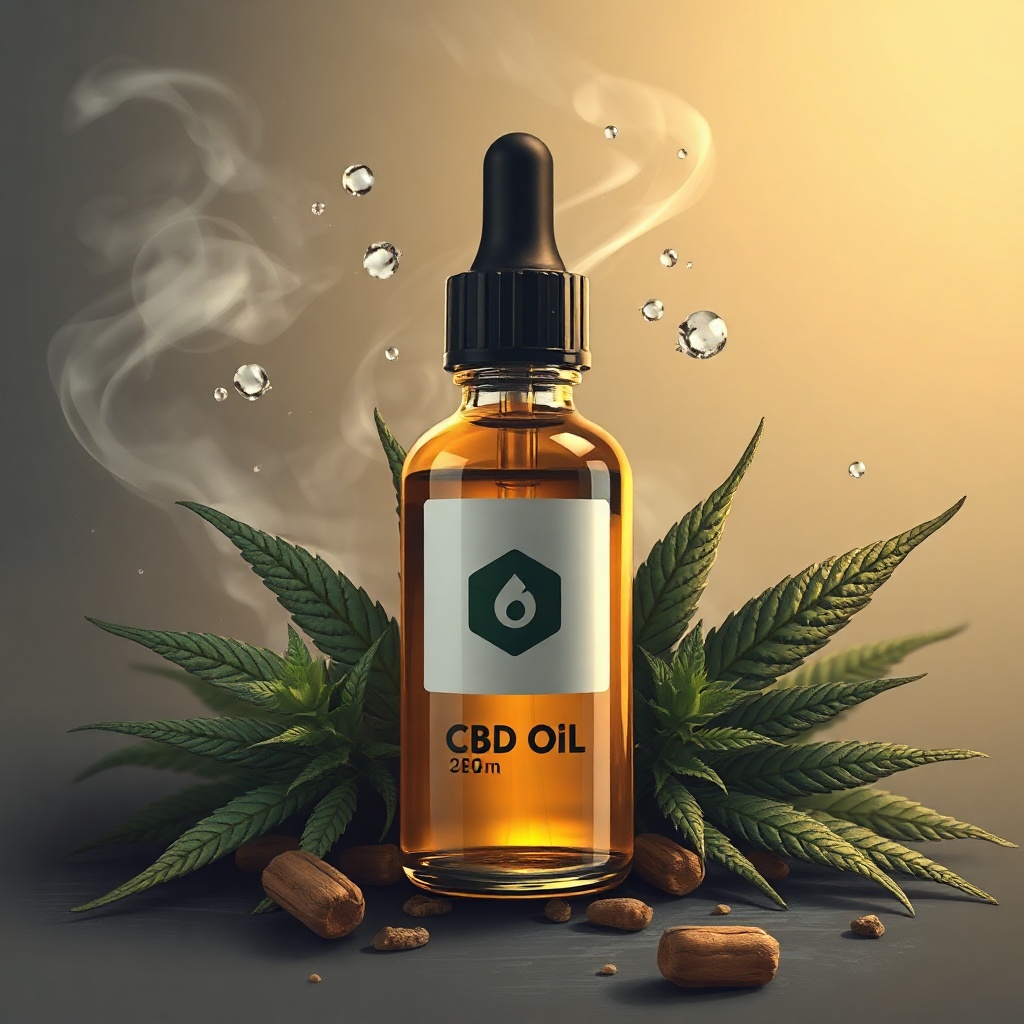
– Tinctures / sublingual drops: Placed under the tongue for faster absorption and higher bioavailability than swallowing. Good for flexible dosing.
– Capsules and edibles: Convenient and discreet; effects take longer but last longer.
– Topicals: Lotions and balms applied directly to the skin for localized support.
– Vapes: Fast-acting but carry respiratory risks and require caution with product quality.
– Isolate powders and gummies: Easy dosing but check for sugar and additives.
Dosing guidance
Start low and go slow. Many people begin with a low daily dose (for example, several milligrams) and increase gradually while monitoring effects. Keep a journal of dose, timing, and outcomes to find what works best. If you’re taking prescription meds, especially blood thinners or drugs metabolized by the liver, consult a healthcare provider before using CBD because it can interact with certain medications.
Choosing a quality product
The market varies widely in quality. Look for:
– Third-party lab reports (COA) confirming cannabinoid content and absence of contaminants like heavy metals, pesticides, and residual solvents.
– Clear labeling of CBD amount per serving.
– Transparent extraction methods (CO2 extraction is considered clean and efficient).
– Source information — products derived from hemp grown under regulated conditions tend to be more reliable.
– Brand reputation and customer reviews for transparency and customer service.
Safety and side effects
Commonly reported side effects include dry mouth, drowsiness, changes in appetite, and mild gastrointestinal upset.
Start at a low dose and adjust as needed.
Pregnant or breastfeeding people should avoid CBD unless advised by a healthcare professional. Keep products out of reach of children and pets; dosing differs dramatically for animals.
Legal considerations
Legal status depends on where you live and whether the product is hemp-derived and contains THC under the allowed limit (commonly set at a low percentage). Rules vary by jurisdiction, so check local regulations before purchasing or traveling with CBD oil.
Storage and shelf life
Store CBD oil in a cool, dark place away from direct sunlight and heat to preserve potency. Properly sealed products typically remain stable for many months; follow manufacturer recommendations.
Making an informed choice
When shopping, prioritize transparency, lab testing, and clear dosing instructions.
Combine careful product selection with realistic expectations: CBD can be a helpful tool within a broader wellness plan, but it is not a one-size-fits-all remedy. If you have health conditions or take other medications, discussing CBD with a healthcare professional helps ensure safe, effective use.