CBD oil has moved from niche remedy to mainstream wellness product, but navigating claims, labels, and legalities can be confusing. This guide breaks down what CBD oil really is, how it’s made, what it may help with, and how to choose a safe product.
What is CBD oil?
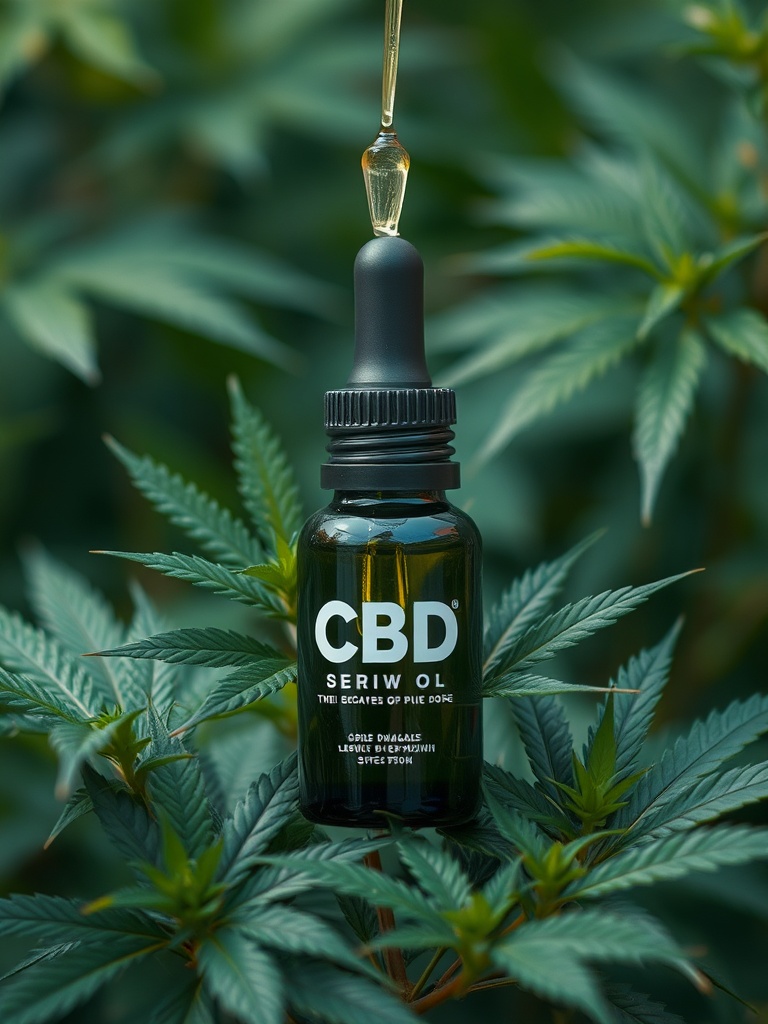
CBD (cannabidiol) is a naturally occurring compound found in hemp and cannabis plants. Unlike THC, the compound responsible for marijuana’s psychoactive effects, CBD does not produce a “high.” CBD oil is made by extracting CBD from the plant and diluting it in a carrier oil such as MCT oil, hemp seed oil, or olive oil.
Types of CBD oil
– Full-spectrum: contains CBD plus other cannabinoids, terpenes, and trace amounts of THC. Many users prefer full-spectrum for the “entourage effect,” where multiple plant compounds may work together.
– Broad-spectrum: similar to full-spectrum but with THC removed.
– CBD isolate: pure CBD with no other cannabinoids or terpenes. Each type has trade-offs between potency, perceived benefits, and legal or workplace testing concerns.
How it’s extracted
Extraction method affects quality and purity. CO2 extraction is widely regarded as the cleanest, producing high-quality extracts without solvent residues. Ethanol extraction is common and effective for whole-plant extracts. Avoid products that don’t disclose extraction methods or that use cheap solvents without proper refinement.
Potential benefits and evidence
Research and user reports suggest CBD may help with:
– Pain relief and inflammation: CBD interacts with the body’s endocannabinoid and other signaling systems, which can influence pain perception.
– Anxiety and stress: many people report reduced anxiety symptoms with CBD, though responses vary.
– Sleep support: CBD can promote better sleep for some users, particularly when anxiety or pain is the root cause.
– Neurological conditions: a few specific CBD formulations are prescribed for severe seizure disorders under medical supervision.
Scientific evidence varies by condition; some uses are supported by robust studies, while others rely on preliminary research or anecdotal reports.
Expect individual responses to differ.
Safety and interactions
CBD is generally well tolerated, but side effects can include dry mouth, drowsiness, digestive upset, and changes in appetite. CBD can interact with medications metabolized by liver enzymes (CYP450), including some blood thinners and anti-epileptics, so consult a healthcare provider before starting CBD if you take prescription drugs. Avoid CBD during pregnancy and breastfeeding unless advised by a clinician.
How to choose a quality product
– Look for third-party lab reports (Certificates of Analysis) that confirm potency and purity.
– Prefer products that list CBD amount per serving and specify the extraction method and carrier oil.
– Check for contaminants: tests should show no heavy metals, pesticides, or residual solvents.
– Decide between full-spectrum and isolate based on tolerance for trace THC and desired effects.
– Start low and go slow: begin with a small dose and gradually increase while tracking effects.
Methods of use
Common delivery methods include sublingual tinctures, capsules, topicals, and vape products.
Sublingual tinctures offer relatively fast absorption, capsules provide consistent dosing, and topical formulations target localized discomfort. Vaping can offer rapid onset but carries respiratory risks and should be approached cautiously.
Legal and workplace considerations
Laws and workplace policies vary widely. Hemp-derived CBD may be legal in many areas, but products can contain trace THC that could trigger drug tests. Always check local regulations and employer policies before purchasing or using CBD.
With careful research and realistic expectations, CBD oil can be a useful addition to many wellness routines. Prioritize transparency, quality testing, and medical guidance when integrating CBD into your health plan.