The marijuana industry has witnessed a significant transformation in recent times. From being largely shunned and vilified, today, it has found its place in mainstream commerce, emerging as a beacon of potential economic growth. A key driving force behind this shift is the growing acceptance of marijuana’s medical benefits and the increasing number of regions legalizing its use.
A striking area of growth can be observed in the medical marijuana sector.
Once considered taboo, cannabis is now recognized for its potent therapeutic benefits. Scientists and medical professionals have begun to tap into marijuana’s potential for treating a range of ailments, including chronic pain, anxiety, and epilepsy.
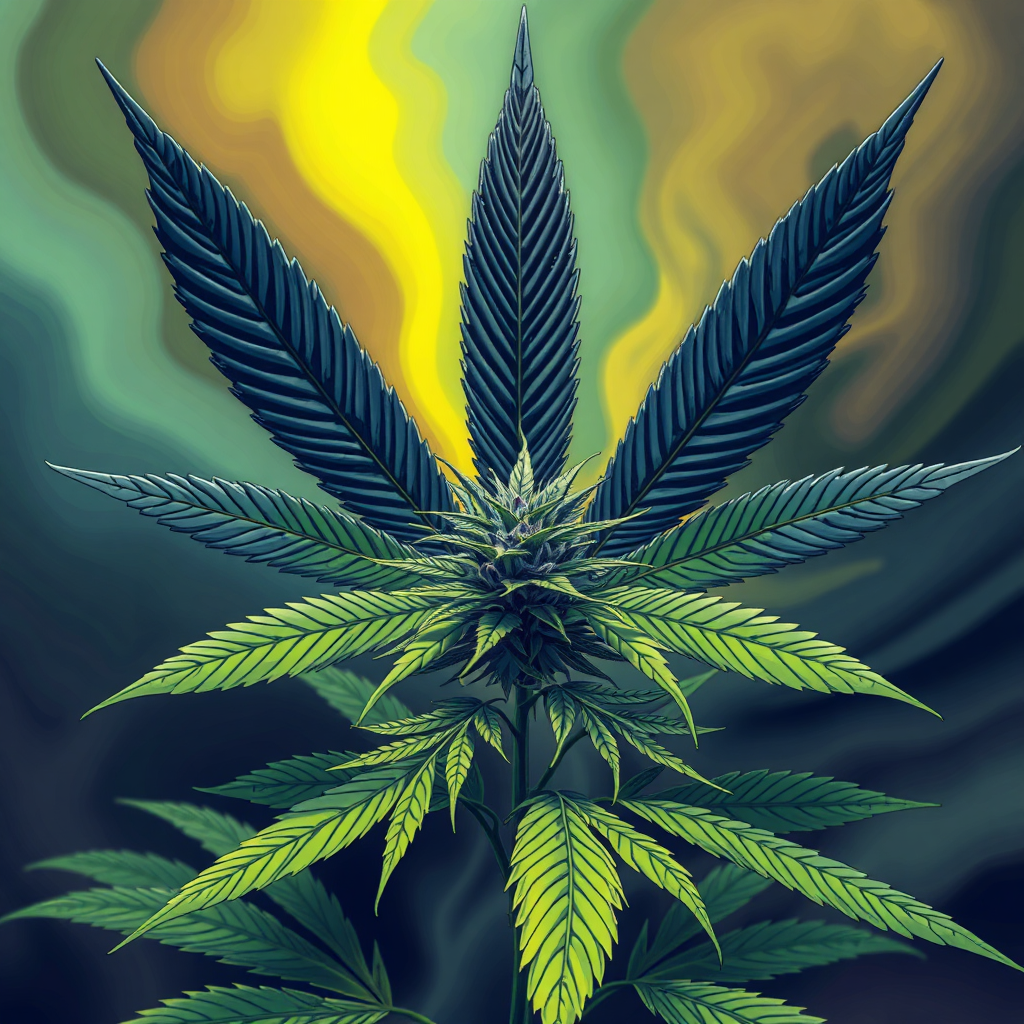
The result? A surge in the demand for medical marijuana, with millions of patients worldwide relying on it for relief.
The recreational marijuana market is another sphere witnessing substantial growth. As various regions loosen regulations, an increasing number of consumers are exploring marijuana for leisure purposes. This development has led to the emergence of a plethora of new businesses, from upscale cannabis dispensaries to marijuana tourism companies.
A notable trend in the industry is the rise of edibles. Edibles, infused with cannabis, offer an appealing alternative for those who prefer to avoid smoking. They come in a myriad of forms, from cookies and gummies to teas and chocolates, and have gained phenomenal popularity, both in medical and recreational sectors.
Moreover, the industry has made strides in quality control and safety standards. Currently, cannabis products must undergo rigorous testing for potency and contaminants, ensuring they meet the highest quality and safety benchmarks. This surge in quality assurance has led to a stronger consumer trust and a broader market appeal.
In the realm of technology, innovations are transforming the way the industry operates. Advanced growing techniques, efficient extraction methods, and cutting-edge sales platforms have become the norm, enhancing both production and distribution.
Sustainability has also emerged as a vital aspect of the industry. From eco-friendly packaging to energy-efficient cultivation methods, brands are committed to minimizing their environmental footprint. This focus on sustainability not only appeals to eco-conscious consumers but also paves the way for a greener future for the industry as a whole.
Finally, let’s not overlook the economic impact of this booming industry. It’s not just about the businesses directly involved in marijuana cultivation, processing, and sales. The ripple effect extends to ancillary services, such as marketing, legal, and accounting firms specializing in cannabis. The job creation potential is immense, offering a much-needed boost to employment rates.
Nevertheless, despite these strides, challenges persist. From regulatory hurdles to social stigma, the marijuana industry has its share of obstacles to overcome.
But given the undeniable progress it has made, it’s reasonable to envision a future where these hurdles are gradually mitigated.
From its medical applications to its recreational uses, the marijuana industry’s evolution showcases how societal attitudes can shift over time.
As we embrace this new era of cannabis, it’s crucial to continue fostering safe, responsible, and sustainable practices that will ensure the industry’s growth and longevity.