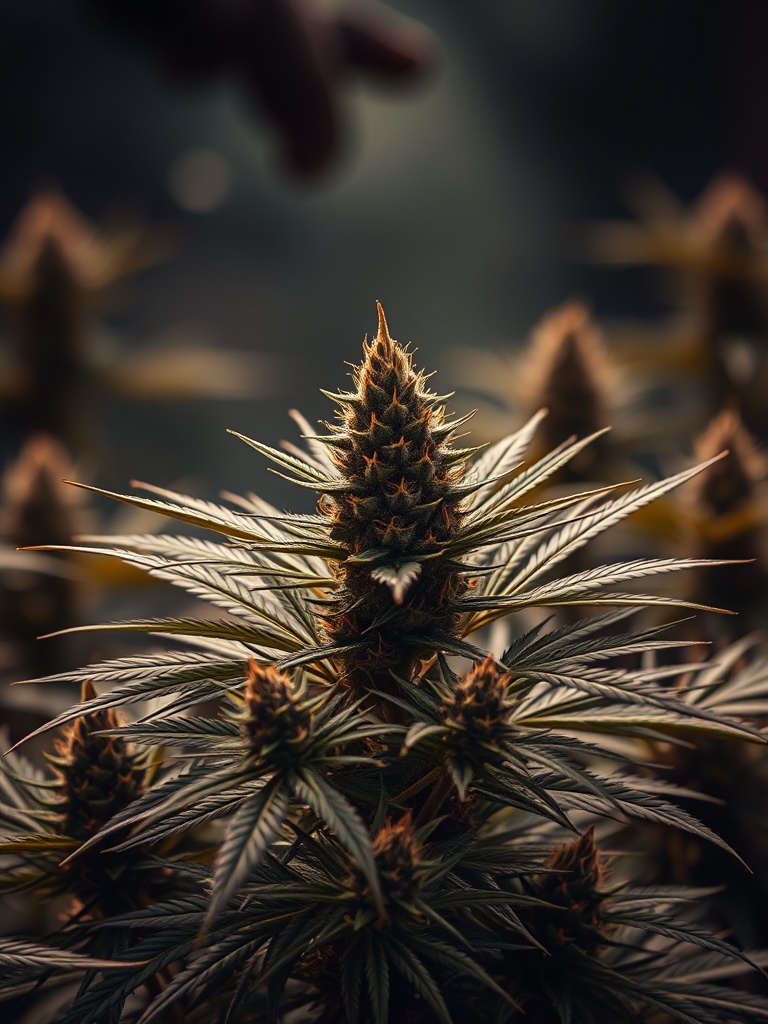
Marijuana today sits at the intersection of health, commerce, and culture.
As public attitudes shift and product variety expands, understanding the basics—safety, dosing, product types, and legal issues—helps people make informed choices.
What’s in the plant
Cannabis contains cannabinoids like THC (psychoactive) and CBD (non-intoxicating). THC drives the “high,” while CBD is often used for anxiety, sleep, and pain without creating strong intoxication. Terpenes—aromatic compounds such as myrcene, limonene, and pinene—influence flavor and may subtly affect the overall experience.
Full-spectrum products retain cannabinoids and terpenes; isolates contain a single compound.
Consumption methods and effects
– Inhalation (smoking, vaping): Effects appear within minutes and peak quickly, making dosing more controllable for experienced users. Vaping carries risks when cartridges are unregulated; choose licensed products and avoid additives of unknown origin.
– Edibles: Onset is slower—often an hour or more—and effects last longer.
Start with a low dose (often 2.5–5 mg THC for novice users) and wait several hours before re-dosing to avoid an uncomfortable experience.
– Tinctures and sublinguals: Faster onset than edibles, useful for moderate control of dosing.
– Topicals: Non-intoxicating when used on the skin; useful for localized pain or inflammation.
Practical dosing advice
“Start low and go slow” remains the best guidance. New users should begin with a low THC dose and increase gradually across sessions rather than doubling down quickly.
Keep a log of product type, dose, and effects to learn what works. People sensitive to THC may prefer CBD-dominant or balanced products.
Health considerations and interactions
Cannabis can help some people with pain, nausea, and certain sleep or anxiety issues, but it’s not without risks. High-THC use can exacerbate anxiety or trigger psychotic symptoms in those predisposed to mental health conditions. Cannabis interacts with medications metabolized by liver enzymes (CYP450), so reviewing use with a healthcare provider is important—especially when taking blood thinners or anti-seizure medications. Avoid cannabis during pregnancy and breastfeeding due to potential developmental risks.
Safety and legal reminders
Follow local regulations and buy from licensed retailers where testing and quality control limit contamination risks. Never drive or operate heavy machinery while impaired; cannabis can slow reaction time and judgment. Store products securely away from children and pets, using child-resistant packaging and clear labeling.
Choosing products wisely
Look for third-party lab testing confirming potency and the absence of pesticides, heavy metals, and residual solvents. If you’re seeking therapeutic effects without a strong high, consider products labeled “broad-spectrum” or “CBD-dominant” and check terpene information for desired flavors and potential effects. For inhalables, prefer products with simple ingredient lists and transparent testing.
Responsible integration into life
Set clear intentions for use—recreation, sleep, symptom relief—and choose strains or products aligned with those goals.
Consider alternatives like mindfulness, exercise, or therapy as complementary strategies for long-term wellbeing.
Whether exploring marijuana for medical reasons or personal use, informed decisions reduce risk and enhance the experience.
Talk openly with trusted healthcare professionals, stick to regulated products, and prioritize safety for yourself and others.