Microdosing Cannabis: How to Start, What to Expect, and Safety Tips
Microdosing cannabis is gaining attention as a way to enjoy the plant’s therapeutic benefits while minimizing intoxication.
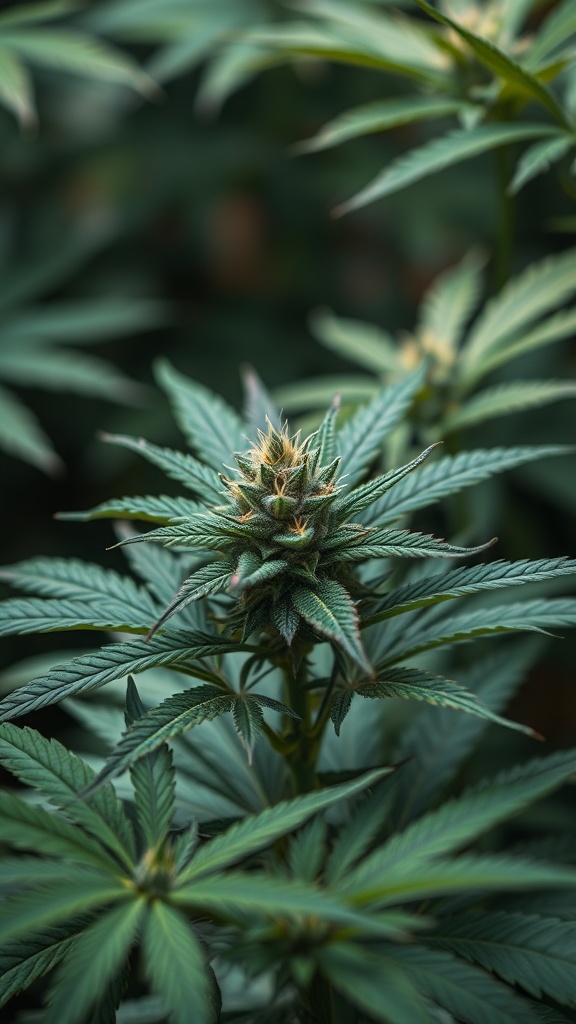
Instead of aiming for a full high, microdosing uses very small amounts of THC—or balanced THC/CBD combinations—to support mood, focus, pain management, or sleep without impairing daily functioning.
What microdosing looks like
– Typical microdoses range from about 1 to 5 mg of THC, depending on individual sensitivity. Many people find a single low-dose edible, a few puffs from a low-potency vape, or a modest amount of a sublingual tincture works well.
– Products labeled with milligram amounts make tracking easier.
For flower, pre-rolled micro-joints or low-dose vape cartridges are convenient. For edibles and tinctures, start with the lowest available dose.
Potential benefits
– Subtle mood improvement and reduced anxiety for some people when using small amounts.
– Better focus and creativity reported by people who were sensitive to larger doses that caused sedation or paranoia.
– Symptom relief—mild pain and inflammation reduction—without the clouded thinking that higher doses can produce.
– Fewer side effects and less tolerance buildup compared with regular high-dose use.
Choosing the right product
– Opt for reliable sources that provide third-party lab testing for potency and contaminants.
– Consider CBD-forward or balanced THC:CBD products if you want fewer psychoactive effects. CBD can modulate THC’s effects and may reduce anxiety in some users.
– Terpene profiles matter. Limonene and pinene can feel uplifting and focus-enhancing, while myrcene and linalool lean more sedating. Match terpene notes to your goal (alertness vs. relaxation).
How to begin safely
– Start low, go slow: Begin with a single microdose and wait at least 90 minutes for edibles or 15–30 minutes for inhaled methods before adjusting. Effects can be subtle—resist increasing too quickly.
– Keep a simple log: Note product, dose, method, time, mood, and any side effects.
This helps pinpoint the minimal effective dose.
– Frequency: Some users microdose daily; others use it situationally. Watch for tolerance and consider occasional breaks.
– Avoid mixing with alcohol or other sedatives until you know how low doses affect you.
Precautions and interactions
– Talk to a healthcare professional if you’re taking prescription medications—cannabis can interact with drugs metabolized by the liver’s CYP450 enzymes.
– Avoid use during pregnancy, breastfeeding, or when operating vehicles or heavy machinery.
– Store products securely and out of reach of children and pets; even small edible doses can be dangerous to a child or animal.
Legal and workplace considerations
– Legal status varies by location. Confirm local regulations for possession, purchase, and public use before trying cannabis products.
– Employer policies may prohibit cannabis use or cannabis-positive drug tests, regardless of dose.
Understand workplace rules and testing practices.
Final tips
– Choose consistent, low-potency products for easy titration.
– Pair microdosing with clear intentions—focus, creativity, or sleep—and track outcomes to refine your approach.
– If side effects emerge (anxiety, dizziness, rapid heart rate), reduce dose or stop and consult a professional.
Microdosing offers a measured, intentional way to explore cannabis benefits while keeping daily function intact.
With cautious experimentation, reliable products, and attention to safety, many people find it a practical addition to their wellness toolkit.