Understanding THC: Types, Effects, Safety, and Practical Tips
THC (tetrahydrocannabinol) is the primary psychoactive compound found in cannabis, responsible for the “high” users feel.
Interest in THC spans recreational, therapeutic, and research circles, and understanding how different forms work, how to dose safely, and how to reduce risks helps users make informed choices.
What THC is and how it works
THC binds to cannabinoid receptors in the brain and body, mainly CB1 and CB2, altering mood, perception, appetite, and pain signaling.
That interaction produces both the sought-after effects (euphoria, relaxation, pain relief) and potential adverse effects (anxiety, impaired coordination, short-term memory changes).
Common THC variants
– Delta-9 THC: The most familiar form associated with traditional cannabis flower and many concentrates.
– Delta-8 and Delta-10: Chemically similar to delta-9 but often reported as milder; regulatory clarity varies where these are sold.
– THCV and other minor cannabinoids: Some have distinct effects such as appetite suppression or different psychoactive profiles.
– Hydrogenated cannabinoids (e.g., HHC): Emerging in some markets; potency and safety profiles can differ from natural THC.
Consumption methods and dosing
– Smoking/vaping: Fast onset within minutes and shorter duration. Easier to titrate dose but inhale combustion products if smoked.
– Edibles: Onset can take one to three hours and effects last much longer. Start with a low dose and wait several hours before re-dosing to avoid overconsumption.
– Tinctures/sublinguals: Faster than edibles but slower than inhalation; good for controlled dosing.
– Topicals: Often non-intoxicating and used for localized relief of soreness or inflammation.
A practical dosing approach is “start low, go slow.” Microdosing (very small amounts) can provide symptom relief for some without strong intoxication. Typical beginner edible doses are modest—use product labeling and lab reports to calculate milligrams of THC.
Safety considerations and interactions
– Impairment: THC impairs driving and operating machinery. Avoid tasks requiring full attention while impaired.
– Mental health: High doses or frequent heavy use can trigger anxiety, panic, or precipitate psychosis in vulnerable individuals. Exercise caution if there is a personal or family history of psychotic disorders.
– Pregnancy and breastfeeding: Use is not recommended due to potential risks to fetal and infant development.
– Drug interactions: THC is metabolized by liver enzymes; it can interact with medications processed by the same pathways.
Consult a healthcare provider before combining with other drugs.
– Pet safety: Even small amounts can be dangerous for pets — keep all products secure.
Testing and product quality
Urine drug tests detect THC metabolites and can remain positive for days to weeks depending on use patterns and body composition. To reduce uncertainty, choose products with a current certificate of analysis (COA) from an accredited lab showing potency and absence of contaminants like pesticides, residual solvents, and heavy metals.
Storage and shelf life
Store cannabis products in a cool, dark, airtight container to preserve potency and flavor. Heat, light, and oxygen degrade cannabinoids and terpenes over time.
Harm reduction checklist
– Buy from reputable sources and check COAs.
– Start with low doses and wait appropriate time before re-dosing.
– Avoid mixing THC with alcohol or sedatives.
– Never drive while impaired.
– Keep products locked away from children and pets.
– Talk to your healthcare provider about potential medication interactions.
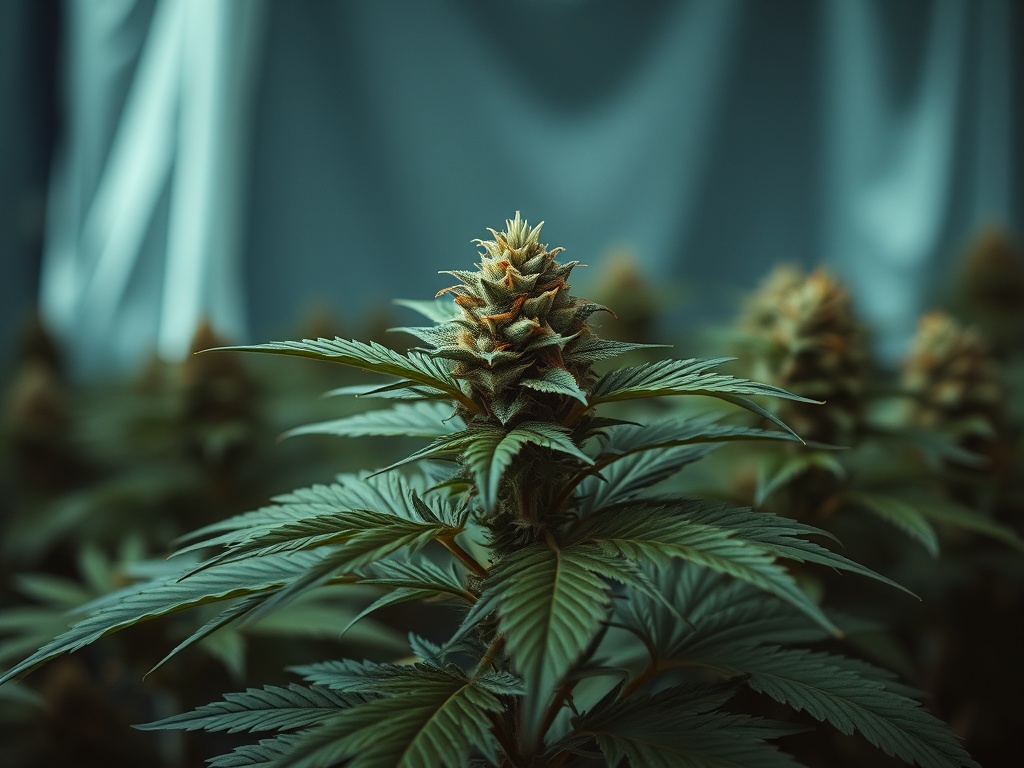
When used mindfully, THC can offer symptom relief and enjoyable experiences.
Staying informed about potency, dosing, testing, and local regulations helps minimize risks and maximize intended benefits.