THC basics and why it matters
THC (tetrahydrocannabinol) is the primary psychoactive compound found in cannabis that produces the familiar “high.” It interacts with the body’s endocannabinoid system, binding mainly to CB1 receptors in the brain and central nervous system. Beyond recreational use, THC has therapeutic potential for pain, nausea, appetite stimulation and spasticity, but effects vary widely by dose, product type and individual physiology.
How people consume THC
– Inhalation (smoking, vaping): Fast onset—effects appear within minutes and peak quickly. Bioavailability is higher than edibles, and the overall duration is usually shorter.
– Edibles: Slower onset—effects can take from half an hour to a couple of hours to begin. Metabolism in the liver converts THC to more potent metabolites for some users, which can lengthen and intensify effects.
– Tinctures & sublinguals: Faster than edibles but slower than inhalation. Many choose these for dose control.
– Concentrates: High-potency products (dabs, waxes, distillates) produce powerful effects and are best for experienced users.
– Topicals: Usually do not produce psychoactive effects; used for localized relief.
Potency, labeling and product safety
Product potency is a critical factor. Cannabis products list THC as a percentage for flower or milligrams per serving for edibles. “Start low and go slow” remains the best approach—begin with a small dose and wait the full expected onset time before redosing. Buying from licensed retailers that provide third-party lab results significantly reduces the risk of contaminants like pesticides, heavy metals and residual solvents. Look for certificates of analysis (COA) that confirm potency and purity.
Microdosing and dosing strategies
Many people prefer microdosing—small, sub-perceptual doses that aim to capture benefits like anxiety relief or creative boost without pronounced intoxication.
Others may use higher doses for stronger therapeutic or recreational effects. Factors that affect dosing include body weight, metabolism, tolerance, method of administration and individual sensitivity. If using edibles, give the product ample time to take effect before consuming more.
Safety, interactions and impairment
THC can impair reaction time, judgment and coordination. Avoid driving or operating machinery while under its influence.
THC can also interact with other substances, including alcohol and sedatives, often intensifying impairment.
It can affect the metabolism of certain prescription drugs via liver enzymes; consult a healthcare provider if you take medication.
Workplace and drug testing
THC metabolites can remain detectable for variable periods depending on frequency of use, body composition and type of test. Urine, blood and hair tests differ in sensitivity and detection windows. Those subject to workplace testing should be aware of testing policies and the lingering presence of metabolites after use.
Emerging products and regulatory landscape
Novel THC isomers and derivatives have grown in popularity, including variants marketed for different effects. These products sometimes come from chemical conversion and may carry more regulatory ambiguity and contamination risk. Purchasing from reputable, regulated sources that disclose lab testing reduces uncertainty.
Practical tips for safer use
– Buy from licensed vendors and check third-party lab results.
– Start with a low dose and wait the full onset time before redosing.
– Store products securely away from children and pets.
– Avoid mixing THC with alcohol or other sedatives.
– Talk with a healthcare provider about potential drug interactions.
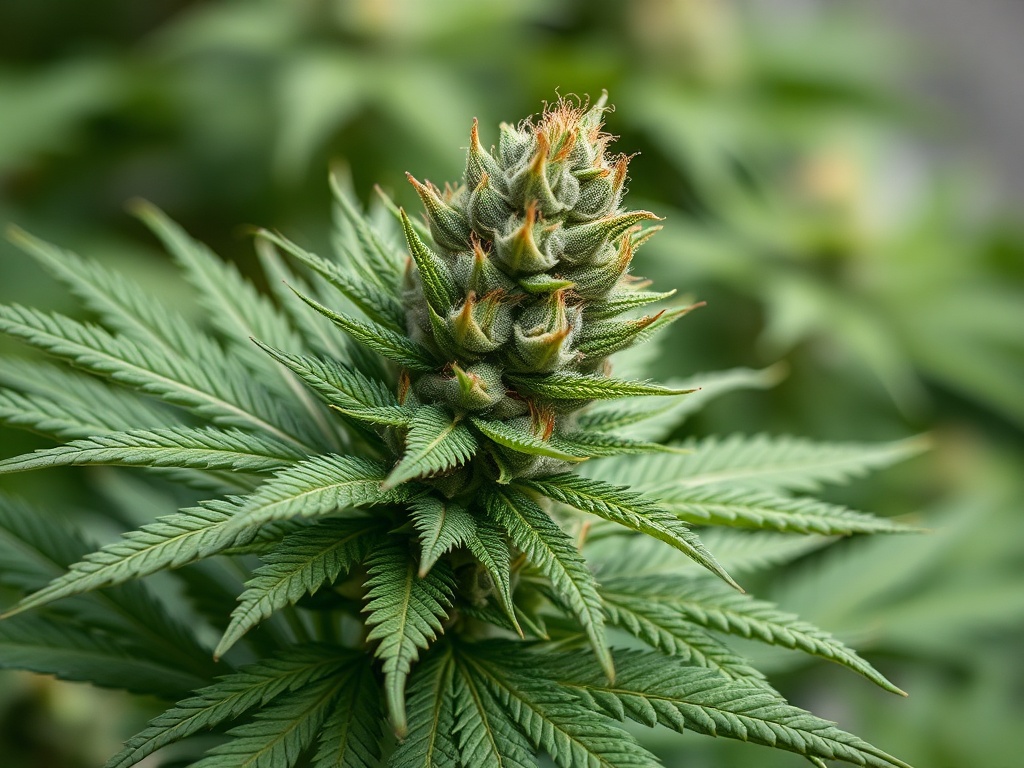
THC offers a wide range of experiences and potential therapeutic effects, but responsible use and informed choices are essential to minimize risk and maximize benefit.