THC Explained: Types, Effects, Dosing, and Safety Tips
Tetrahydrocannabinol (THC) is the primary psychoactive compound found in cannabis and a central focus of both recreational and medical use. Understanding how different forms of THC work, how they’re consumed, and how to stay safe can help people make informed choices.
What THC does and how it works
THC binds to cannabinoid receptors in the brain and body, affecting mood, perception, appetite, and pain signaling. Effects can range from euphoria and relaxation to anxiety and cognitive impairment, depending on dose, method of use, and individual sensitivity. Metabolism and onset time differ by route of administration: inhaled THC produces rapid onset and shorter duration, while ingested THC (edibles) takes longer to begin and lasts longer.
Common forms of THC
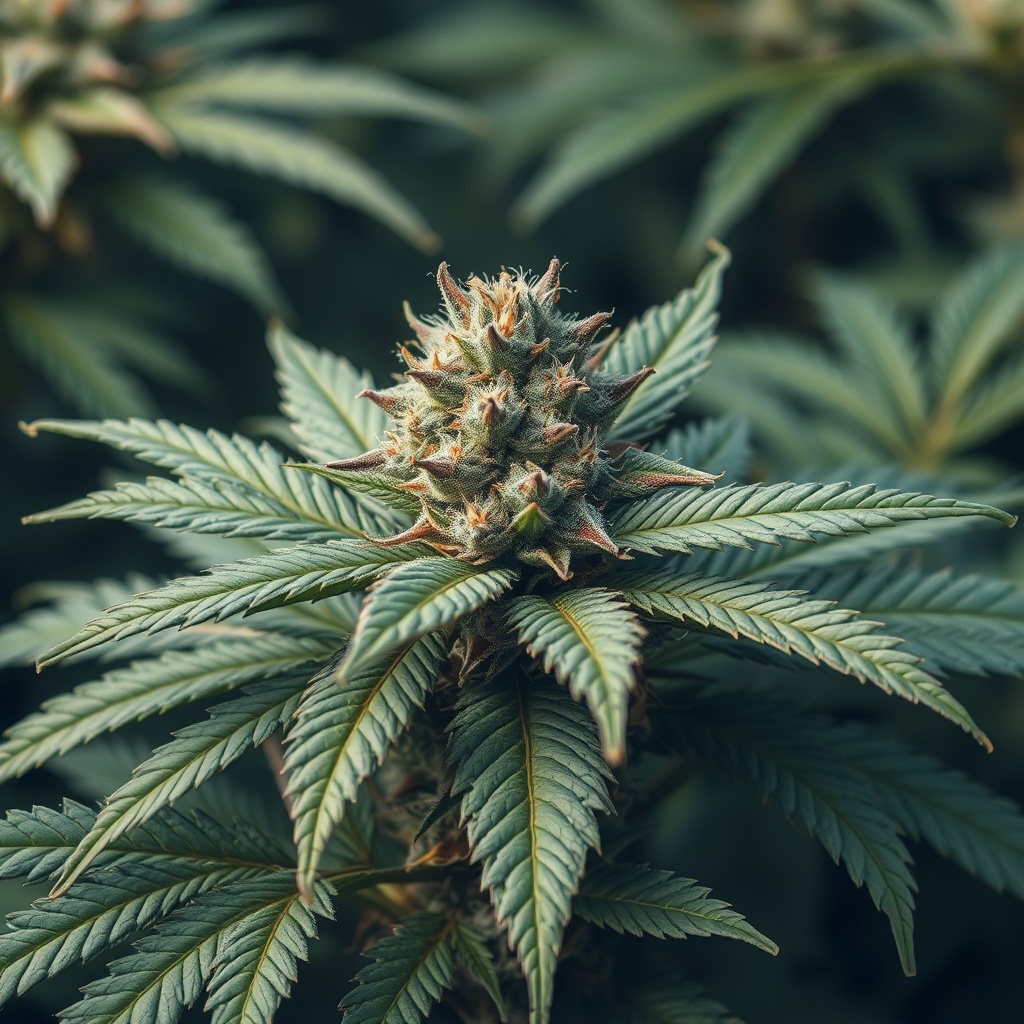
– Delta-9 THC: The most well-known and abundant psychoactive form found in cannabis flower.
– THCa (tetrahydrocannabinolic acid): A non-intoxicating precursor in raw cannabis that converts to active THC when heated.
– Delta-8 THC and other analogs: Chemically similar compounds with milder effects; legal status and safety profiles vary, so caution is advised.
– Concentrates and extracts: Oils, waxes, and distillates can have very high THC levels and produce intense effects.
Dosing and microdosing
Dosing is highly individual.
A general approach for edibles is to start low and go slow:
– Beginners: start with a low dose and wait long enough to feel full effects before taking more.
– Microdosing: many users report benefits from very small amounts that provide subtle mood or pain relief without strong intoxication.
Because edible effects can be delayed, waiting for the full onset—often several hours—is essential to avoid overconsumption.
Safety and harm reduction
– Know your source: Purchase from licensed retailers where potency and ingredients are tested. Unregulated products may contain contaminants or inaccurate THC levels.
– Avoid mixing substances: Combining THC with alcohol or other drugs can intensify impairment and increase risk.
– Impairment and driving: THC impairs reaction time and decision-making. Avoid driving or operating heavy machinery until sober.
– Keep out of reach of children and pets: Edibles can look like regular food and are particularly dangerous for children and animals.
– Start low with concentrates: Potent extracts can cause overwhelming effects, so novice users should approach with caution.
Medical use and interactions
THC is prescribed for symptoms such as chronic pain, nausea, and appetite loss in some medical contexts. People taking prescription medications or with underlying health conditions should consult a healthcare professional, as THC can interact with other drugs and affect heart rate, blood pressure, and mental health.
Legal and workplace considerations
Legal status, permitted amounts, and workplace drug-testing policies differ widely by location. Even where recreational use is allowed, employers may maintain zero-tolerance rules. Understanding local regulations and workplace expectations helps avoid legal or professional consequences.
Storage and potency
Store cannabis products in a cool, dark, airtight container to preserve potency and prevent mold.
Keep products clearly labeled and in childproof packaging when possible.
Final tips
Choose consumption methods that match desired effects and lifestyle. Start with small doses, especially with edibles and concentrates. Stay aware of local laws and workplace policies, and seek medical guidance for therapeutic use or if adverse effects occur. Thoughtful, informed choices reduce risk and improve the chances of a positive experience with THC.