The Rising Popularity of CBD Oil: Benefits, Uses, and Considerations
In recent years, CBD oil has surged in popularity, becoming a household name for those seeking alternative remedies for various ailments. Derived from the cannabis plant, cannabidiol (CBD) is a non-psychoactive compound that offers numerous health benefits without the “high” associated with THC. This article delves into the benefits, uses, and considerations of incorporating CBD oil into your wellness routine.
What is CBD Oil?
CBD oil is extracted from the hemp plant, a cousin of the marijuana plant. Unlike THC, CBD does not produce a euphoric sensation, making it a safer option for those who want to avoid the psychoactive effects. The oil is typically mixed with a carrier oil like coconut or hemp seed oil, enhancing its absorption and effectiveness.
Health Benefits of CBD Oil
1. Pain Relief: One of the most well-documented benefits of CBD oil is its ability to alleviate chronic pain.
Studies have shown that CBD interacts with the endocannabinoid system in the body, which helps regulate pain and inflammation.
2. Anxiety and Depression: Mental health conditions are on the rise, and many people are turning to CBD oil for relief. Research indicates that CBD can help reduce symptoms of anxiety and depression by influencing the brain’s serotonin receptors.
3. Sleep Disorders: Struggling with insomnia or other sleep-related issues? CBD oil may offer a natural solution. By promoting relaxation and reducing anxiety, CBD helps improve sleep quality and duration.
4. Anti-Inflammatory Properties: CBD oil is known for its anti-inflammatory effects, making it beneficial for conditions like arthritis, inflammatory bowel disease, and even acne. Its anti-inflammatory properties contribute to overall well-being by reducing systemic inflammation.
Uses of CBD Oil
1. Topical Applications: CBD oil can be applied directly to the skin to relieve localized pain or treat skin conditions. Products like balms, creams, and lotions infused with CBD are increasingly popular.
2. Edibles and Capsules: For those who prefer not to deal with the oil directly, CBD is available in various edible forms, including gummies, capsules, and even beverages. These options offer a convenient way to incorporate CBD into your daily routine.
3.
Vaping: Another method of consuming CBD is through vaping. This allows for quick absorption into the bloodstream but comes with its own set of health considerations.
4.
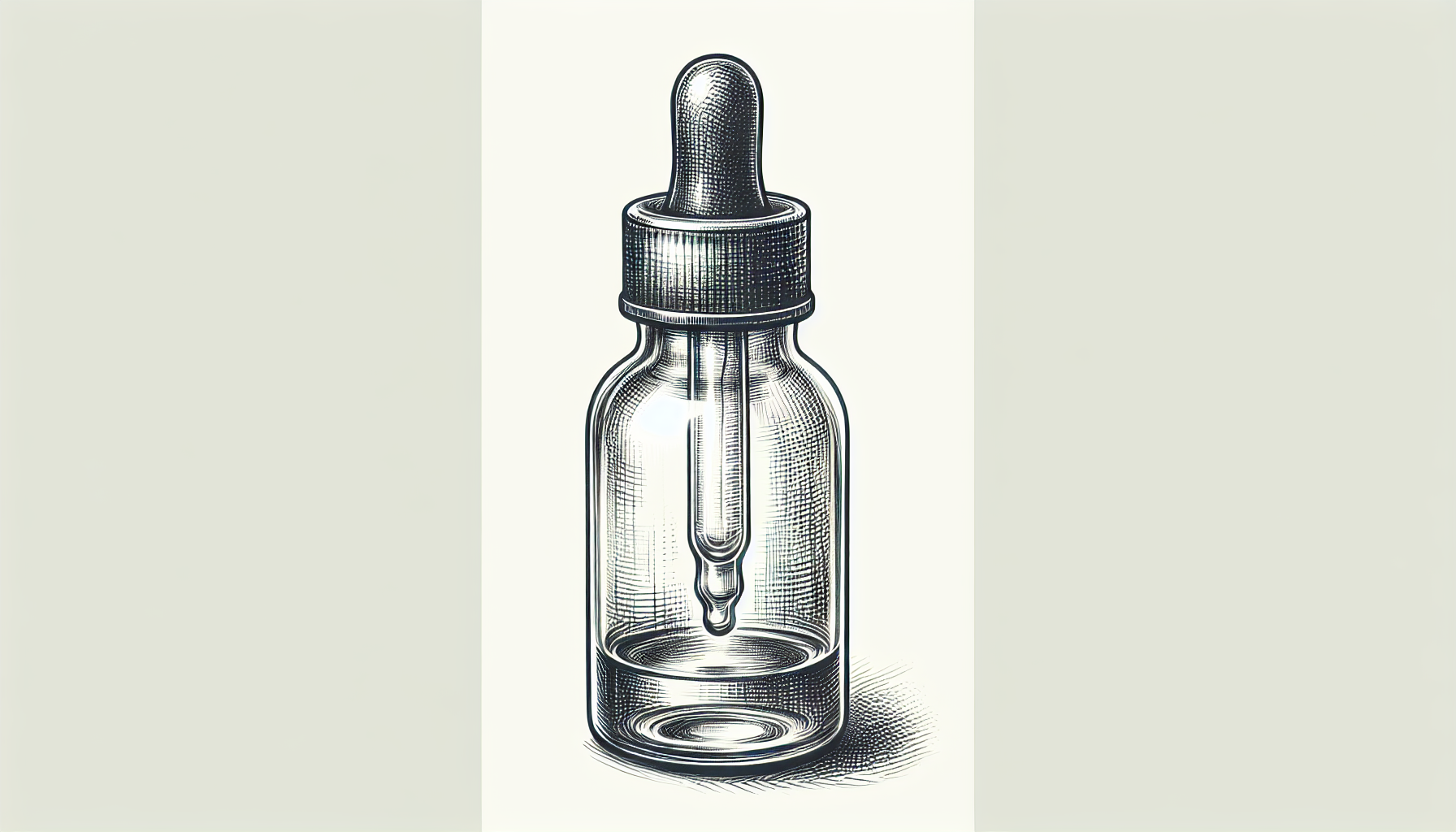
Tinctures and Drops: Perhaps the most versatile form, CBD tinctures and drops can be taken sublingually (under the tongue) for fast-acting effects or added to food and drinks.
Considerations and Precautions
While CBD oil offers numerous benefits, it’s essential to approach it with caution. Here are some key considerations:
1. Quality and Purity: Not all CBD oils are created equal. Ensure you purchase products from reputable manufacturers that provide third-party lab testing to verify the CBD content and absence of harmful additives.
2. Dosage: The appropriate dosage varies from person to person.
It’s advisable to start with a low dose and gradually increase it until you achieve the desired effect. Consulting a healthcare provider is always recommended.
3. Legal Status: While CBD derived from hemp is legal in many places, the laws can vary. Make sure you are aware of the regulations in your area before purchasing or using CBD oil.
CBD oil has emerged as a promising natural remedy for a variety of health issues, from chronic pain to anxiety and sleep disorders. As with any supplement, it’s crucial to do your research and consult with healthcare professionals to ensure it’s the right choice for you. With its growing popularity and expanding range of products, CBD oil offers a versatile option for those seeking an alternative approach to wellness.