As the cultural and legislative tides continue to shift towards relaxation, the topic of marijuana is more pertinent than ever. While recreational use garners a fair amount of attention, the medical applications of marijuana are increasingly making headlines. Research into the therapeutic potential of this plant is expanding, promising significant breakthroughs in health and wellness.
Marijuana, a plant species rich in compounds called cannabinoids, has a history of use dating back thousands of years. The two most recognized cannabinoids, tetrahydrocannabinol (THC) and cannabidiol (CBD), are currently at the forefront of scientific exploration.
Famed for its psychotropic effects, THC is often associated with recreational usage.
However, this compound is increasingly gaining recognition for its potential therapeutic benefits.
Studies suggest that THC may play a pivotal role in pain management, making it a promising alternative to conventional painkillers. There’s also emerging evidence linking THC to improved sleep quality, which could have profound implications for those battling insomnia and similar sleep disorders.
On the other side of the spectrum, CBD, which doesn’t produce a high, is under the spotlight for its therapeutic merits.
Current research highlights CBD’s potential as an anti-inflammatory, anti-anxiety, and anti-seizure agent. Notably, CBD’s anti-seizure properties have led to the development of the first-ever FDA-approved, cannabis-derived medication, marking a watershed moment in marijuana’s medical journey.
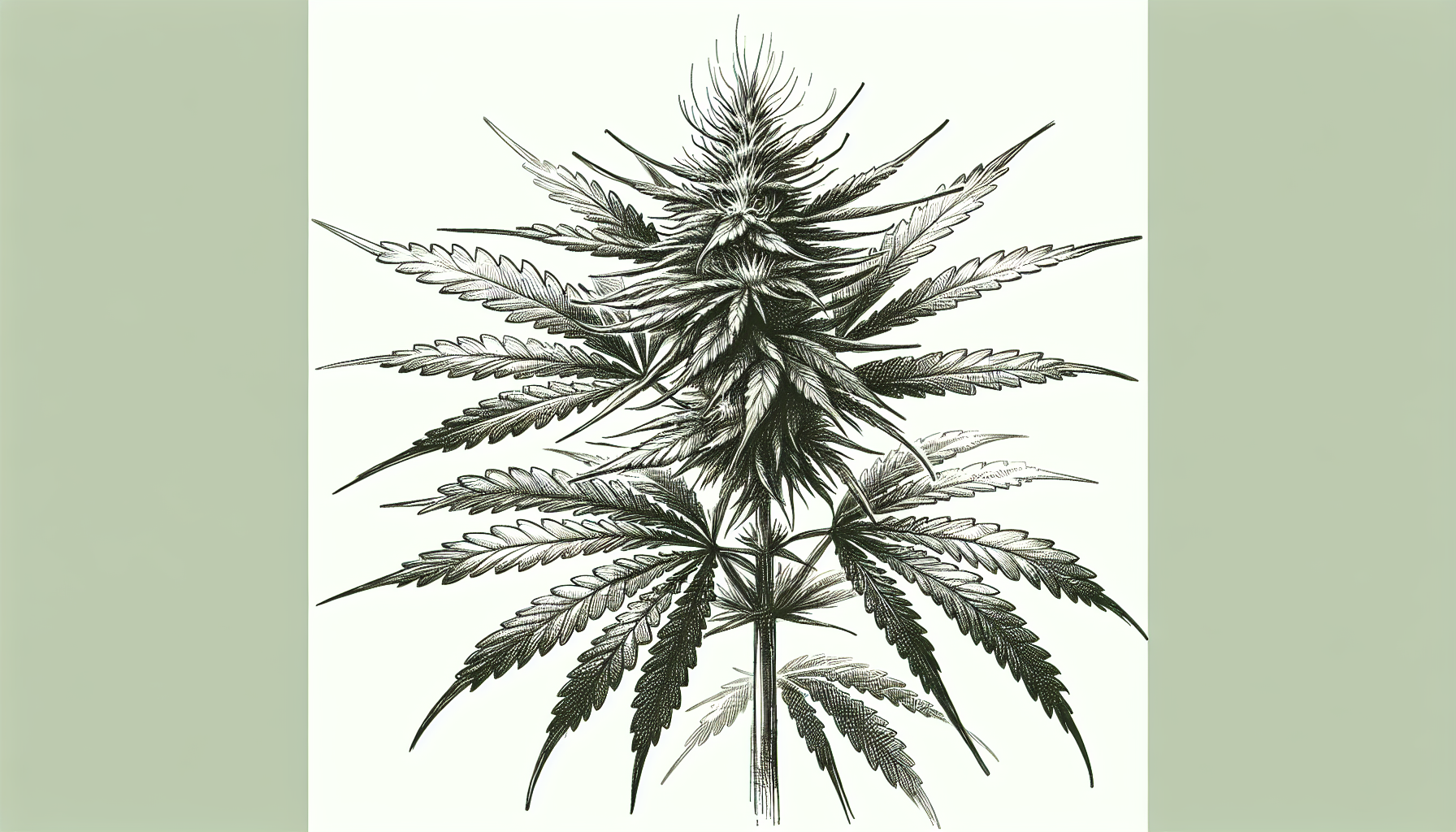
Beyond THC and CBD, marijuana hosts an array of other cannabinoids, terpenes, and flavonoids, which may collectively contribute to its therapeutic effects. This phenomenon, commonly referred to as the ‘entourage effect,’ is an area of intense study. Scientists believe that these compounds working synergistically may offer more effective relief than isolated cannabinoids.
Additionally, research is extending into understanding marijuana’s potential in managing various mental health conditions such as depression, anxiety, and post-traumatic stress disorder (PTSD).
With mental health becoming a pressing global concern, findings in this area could revolutionize the treatment landscape.
However, while the promise of marijuana as a therapeutic resource is compelling, certain challenges persist.
The primary hurdle is the need for more robust, large-scale clinical trials to definitively establish marijuana’s efficacy and safety profile. The legalization landscape also remains complex, with laws varying widely across jurisdictions.
These legal roadblocks often hinder both research initiatives and access for patients.
Moreover, the potential health risks associated with marijuana, particularly when smoked, cannot be overlooked. The risk of dependency, effects on mental health, and respiratory issues are all valid concerns that need careful consideration and further investigation.
As the medical community continues to delve into marijuana’s therapeutic potential, the need for education and clear communication is essential. Today, many patients and healthcare providers are grappling with a lack of comprehensive, reliable information. Addressing this knowledge gap is paramount to make informed decisions about marijuana’s role in the healthcare paradigm.
While the journey may be fraught with challenges, the growing acceptance and interest in marijuana’s therapeutic potential mark an exciting era in medicine.
As research progresses, we may soon uncover the full extent of the benefits this ancient plant can provide, reshaping our understanding of natural medicine.
Remember, if considering marijuana for therapeutic purposes, it’s crucial to consult with a healthcare professional to understand the potential benefits, risks, and legal implications.
With research advancing at a rapid pace, the conversation around the medicinal potentials of marijuana is likely to continue evolving, shedding new light on this powerful plant’s role in health and wellness.