Opening the door into the world of Cannabis is akin to entering a vast garden with endless possibilities. In recent times, the conversation surrounding Cannabis, particularly its medicinal attributes, has been pulsating within the medical community, legislative chambers, and among individuals seeking natural health aids.
Unveiling the Health Potentials
Cannabis is a plant with a rich tapestry of compounds. Chiefly among these compounds are cannabinoids, of which THC (tetrahydrocannabinol) and CBD (cannabidiol) are the most well-known. THC carries the psychoactive properties associated with the ‘high’ of marijuana, while CBD is non-psychoactive and is known for its potential therapeutic benefits.
Research into CBD has increasingly been shining a light on its potential use for various health conditions. Its anti-inflammatory properties, for instance, might make it a suitable alternative for managing chronic pain. Some studies point to its potential for aiding with conditions like arthritis and multiple sclerosis.
Moreover, CBD’s interaction with the endocannabinoid system (ECS) in our body is currently believed to help maintain homeostasis – the body’s internal balance. This interaction may also assist in managing anxiety and depression, with some users reporting a calming effect after use.
The Decoding of Legislation
Legislative perceptions of Cannabis are evolving, with more regions taking strides towards acknowledging the plant’s health benefits. Today, numerous states have already passed laws permitting the use of medical marijuana and CBD products, given they meet specific requirements.
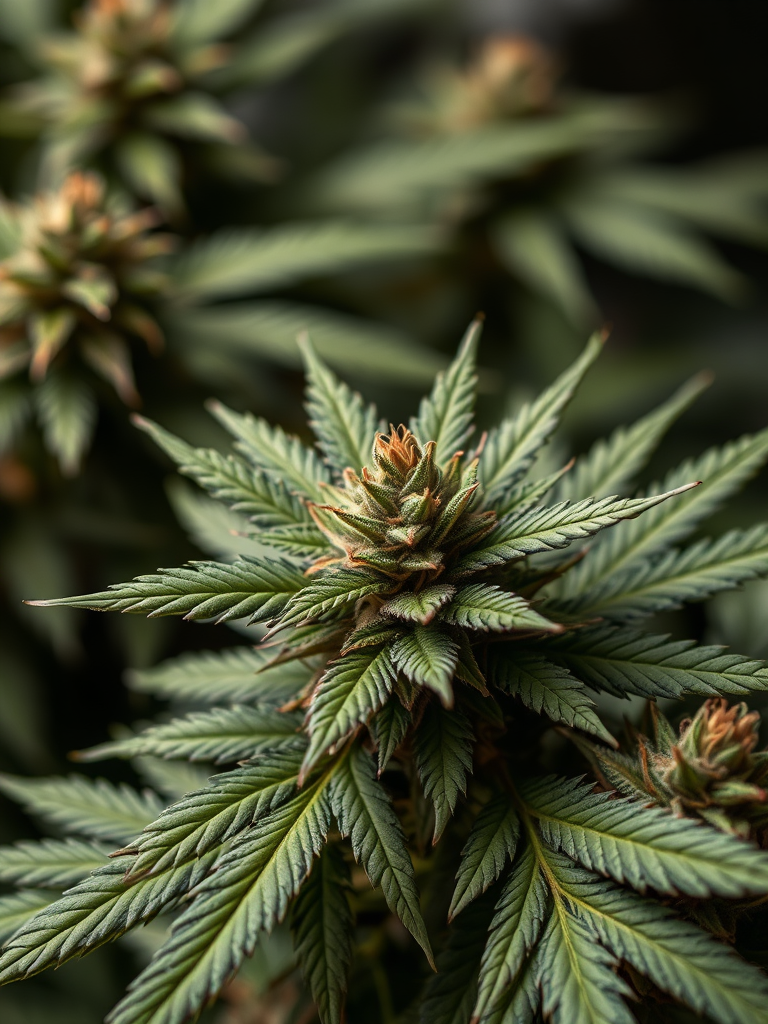
However, the conversation continues on a global scale as more countries grapple with legislating around the medical use of Cannabis.
The Future of Cannabis in Healthcare
Despite the wealth of potential that Cannabis presents, it’s critical to note that research is ongoing. While anecdotal evidence and preliminary studies paint an optimistic picture, comprehensive clinical studies are necessary to confirm these findings and fully understand the plant’s possible side effects.
The role of Cannabis in healthcare is undoubtedly becoming more prominent, and this trajectory is expected to continue. As more research is conducted, we can anticipate a deeper understanding of how Cannabis and its compounds interact with our bodies.
This knowledge will help shape its application in healthcare and improve dosage guidelines for better efficacy and safety.
It’s also important to highlight that while Cannabis offers potential treatment alternatives, it’s not a one-size-fits-all solution. What works for one person might not necessarily work for another, emphasizing the need for personalized medical consultation and guidance.
Cannabis and the Environment
Beyond the health sphere, Cannabis also offers potential environmental benefits.
The Cannabis plant, specifically hemp, is a highly sustainable crop that can be used in the production of numerous eco-friendly products, from textiles to biofuel. This opens up a whole new realm of possibilities for the cannabis industry, potentially driving significant positive environmental impact.
Final Thoughts
Cannabis, with its potential health benefits and environmental applications, represents an exciting frontier in natural health aids and sustainability.
Its current journey in healthcare and legislation is indeed a testament to its capabilities and potential. As our understanding of Cannabis expands, we can look forward to a future where its full potential is realized, and its benefits are harnessed safely and effectively.