The popularity of THC—Tetrahydrocannabinol, the primary psychoactive compound in cannabis—has recently skyrocketed due to its potential therapeutic benefits. Alongside CBD (Cannabidiol), THC is one of the most significant compounds derived from cannabis plants, celebrated for its various medicinal and recreational uses.
The Science Behind THC
THC is a cannabinoid, a class of chemical compounds that interact with the body’s endocannabinoid system. This system plays a crucial role in regulating various bodily functions, such as mood, appetite, and pain sensation.
When you consume THC, it binds to the endocannabinoid system’s receptors, specifically, the CB1 receptors in the brain, leading to a range of psychoactive and physiological effects.
Therapeutic Benefits of THC
Studies show that THC possesses several therapeutic properties, including pain relief, nausea reduction, and appetite stimulation. As a result, it’s frequently used by cancer patients undergoing chemotherapy, individuals with chronic pain conditions, and those suffering from eating disorders.
For instance, THC’s pain-relieving properties are currently being harnessed for patients with neuropathic pain—a type of chronic pain associated with nerve damage. It’s also being used to alleviate symptoms in patients with multiple sclerosis and arthritis.
Moreover, THC’s capacity to boost appetite has immense potential in managing weight loss in patients with HIV/AIDS and cancer.
Additionally, its antiemetic properties—ability to combat nausea and vomiting—have made it a preferred choice for individuals undergoing chemotherapy and other treatments associated with nausea.
The Side Effects and Risks
Although THC offers several health benefits, consumers must be aware of its potential side effects. THC consumption may lead to temporary side effects such as dry mouth, red eyes, increased heart rate, and coordination problems. Moreover, prolonged high-dose usage can lead to more serious psychological effects like anxiety, paranoia, and hallucinations.
Furthermore, THC is a psychoactive substance, meaning it can influence your perception and behavior, potentially leading to impaired driving or other risk-taking behaviors. Therefore, it’s crucial to consume THC responsibly and consult with a healthcare provider for therapeutic use.
The Legal Landscape
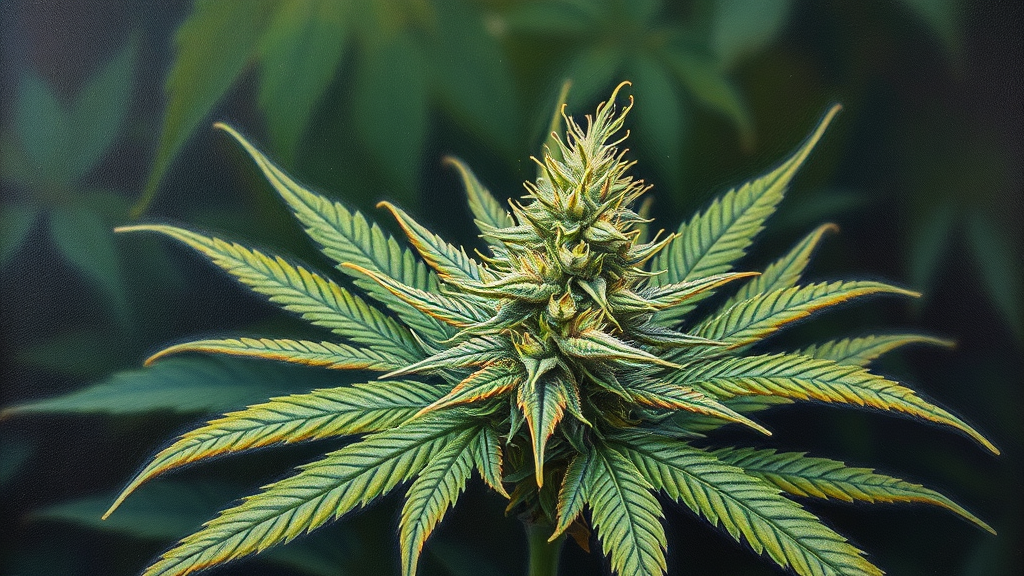
The legality of THC varies globally, with different regions and countries adopting unique stances on cannabis and its derivatives. As of today, many places have recognized the medicinal value of THC and have legalized its use for therapeutic purposes.
However, its recreational use is still a subject of intense debate and regulation.
The Future of THC
As research continues to unfold the potential therapeutic benefits of THC, it’s clear that this compound has a promising future. From pain management to appetite stimulation, THC could revolutionize how we approach various health conditions. However, it’s essential to balance this potential with a responsible approach, considering both the benefits and potential risks associated with its use.
Final Thoughts
THC represents a fascinating frontier in health and wellness, offering potential therapeutic benefits that warrant further exploration. As we continue to expand our understanding of this compound, it’s crucial to bear in mind the importance of responsible and informed use. Always consult with a healthcare provider when considering THC for therapeutic purposes, and stay updated on the legal landscape in your area.