In today’s world, the cannabis industry is witnessing a rise in a peculiar trend – microdosing.
It might seem contradictory, given that the norm for many is to seek out the most potent strains for the most intense experience. However, an increasing number of people are turning to this new method for health and wellness benefits, without the overwhelming effects often associated with cannabis use.
Microdosing is the practice of consuming small, controlled quantities of cannabis to experience its therapeutic benefits while avoiding the intense psychoactive effects.
This method allows users to maintain their usual daily routines, making it an attractive option for medicinal users and wellness enthusiasts.
There’s a widespread belief that the more you consume, the better the effects. But in the case of cannabis, less is often more. Cannabis microdosing capitalizes on the biphasic effect, which postulates that low and high doses of a substance can produce opposite effects. With cannabis, small doses may result in mental clarity, stress relief, and increased creativity, while larger doses can induce anxiety, paranoia, or lethargy.
Cannabis microdosing is not a one-size-fits-all approach, and the ‘right’ dose varies for everyone. Generally, it is suggested to start with a very low dose, observe its effects, and gradually adjust as needed. For instance, trying a 2.5mg dose of THC and then tracking your experience can be a good way to start.
For those who prefer smoking or vaping, microdosing can still be achieved. It involves taking a small puff, waiting a few minutes, and then deciding whether more is needed.
This practice enables users to maintain control over their experience and achieve the desired effects without overconsumption.
This trend is also spurring innovation within the cannabis industry.
Today, one can find a wide array of products specifically designed for microdosing. These include low-dose edibles, tinctures, sublingual strips, and even transdermal patches. Each product is crafted to provide a consistent, controlled dose, simplifying the microdosing experience.
It is important to note that while the benefits of cannabis microdosing are widely touted, more research is needed to fully understand its effects. That said, anecdotal evidence and preliminary studies suggest that microdosing can provide relief from conditions such as chronic pain, stress, anxiety, and insomnia.
In the realm of mental wellness, microdosing is becoming increasingly popular. By subtly elevating mood and promoting relaxation without the high, cannabis is being viewed as a tool for mindfulness and self-care.
Moreover, for the creative minds, low doses of cannabis are believed to stimulate creative thinking and problem-solving abilities.
In the professional sphere too, microdosing is gaining traction. Many users report increased focus, productivity, and an improved work-life balance. This approach is a far cry from the stoner stereotype often associated with cannabis use, painting a picture of a functional, health-conscious consumer.
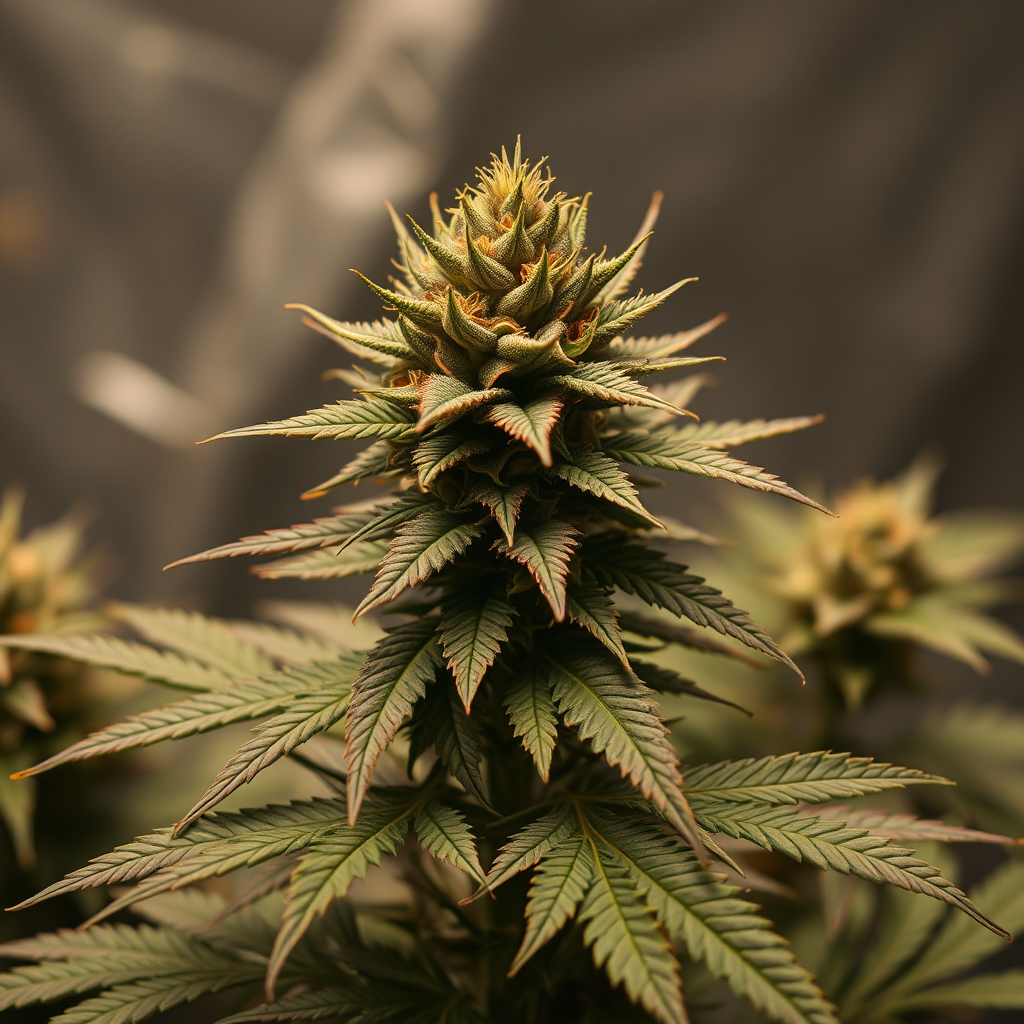
While microdosing might not be for everyone, it certainly opens up a new avenue of cannabis consumption, debunking the myth that more always means better. With a focus on moderation and mindful consumption, it has the potential to revolutionize how we perceive and interact with cannabis.
The rising trend of cannabis microdosing is a testament to the evolving cultural perception of the plant. As we continue to explore its potential, it’s exciting to consider how this ancient plant will shape our future wellness landscape.