THC: What to Know About Effects, Safety, and Smart Use
Tetrahydrocannabinol (THC) is the main psychoactive compound in cannabis that produces the “high” people commonly associate with marijuana.
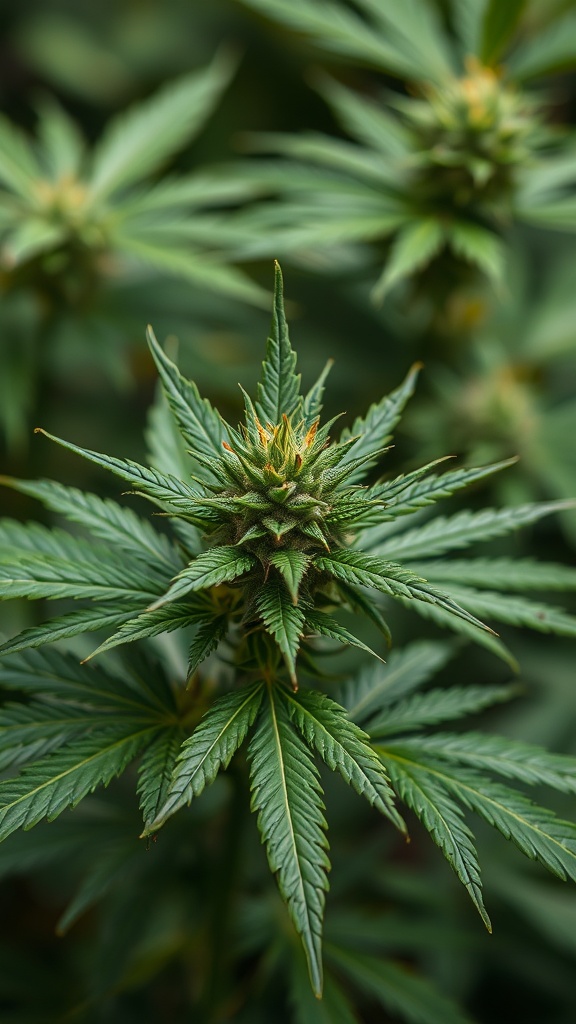
Understanding how THC works, how different products deliver it, and how to use it safely helps reduce risks while maximizing potential benefits.
How THC works
THC binds to cannabinoid receptors in the brain and body, mainly CB1 and CB2, altering neurotransmitter release. That interaction affects mood, perception, appetite, pain, and memory.
Individual response varies widely based on tolerance, metabolism, body fat, and other cannabinoids present, like CBD, which can modulate THC’s effects.
Common effects and risks
– Short-term: euphoria, relaxation, altered time perception, increased appetite, dry mouth, red eyes.
Some users experience anxiety, paranoia, or cognitive fog, especially at higher doses.
– Physical effects: elevated heart rate and impaired motor coordination. People with heart conditions or those taking certain medications should be cautious.
– Long-term risks: heavy, frequent use—particularly when started young—can affect attention, motivation, and memory.
Dependence can develop in some users.
Forms of THC and dosing
– Smoking/vaping: Delivers THC rapidly, making dose control easier since effects come on within minutes and wear off within hours.
– Edibles: Onset is delayed because THC is processed in the liver. Effects can take one to three hours to appear and last much longer.
Start low and go slow—begin with a low dose and wait long enough before consuming more.
– Tinctures and sublinguals: Faster than edibles but slower than inhalation; offer moderate control over dosing.
– Topicals: Generally non-psychoactive when applied to skin, used for localized pain or inflammation.
– Concentrates: Highly potent and intended for experienced users; small amounts can produce strong effects.
Practical dosing advice
For those new to THC, a conservative starting dose is recommended. Microdosing—using very low amounts to gain mild effects without impairment—is increasingly popular. Allow adequate time for onset with edibles and avoid combining high doses with alcohol or other sedating substances.
Legality and product labeling
Legal status varies by jurisdiction and product type. Some products are labeled by milligrams of THC per serving; reliable brands provide lab-tested results that confirm potency and absence of contaminants. Look for certificates of analysis from accredited labs and clear serving instructions.
Drug testing and workplace considerations
THC metabolites can show up on urine and hair tests long after effects wear off.
Detection windows depend on use frequency and individual factors. If workplace policies or legal issues are a concern, abstaining or choosing non-detectable alternatives is the safest route.
Safety tips and interactions
– Avoid driving or operating heavy machinery while impaired.
– Keep products out of reach of children and pets; edibles can be mistaken for candy.
– Discuss THC use with healthcare providers, especially when taking other medications metabolized by the liver’s CYP450 system.
– Pregnant or breastfeeding people should avoid THC due to potential risks to fetal and infant development.
Choosing responsibly
Prioritize quality, clear labeling, and controlled dosing. Track how different strains, ratios, and consumption methods affect you. If using THC for medical reasons, coordinate with a healthcare professional to create an individualized plan that balances symptom relief with safety.