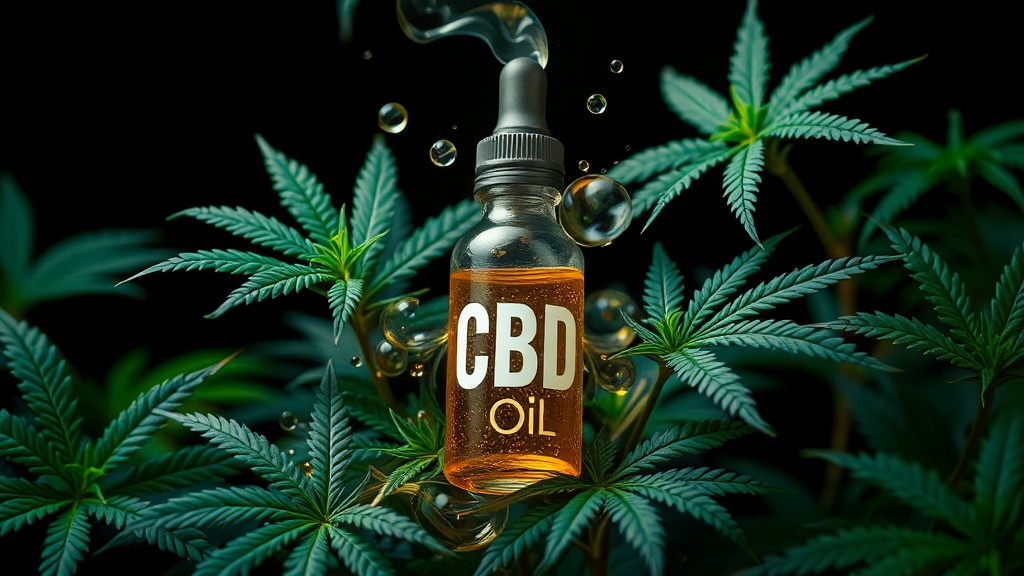
CBD oil has moved from niche wellness trend to mainstream option for people seeking natural support for sleep, stress, chronic pain, and skin concerns. Understanding what to look for and how to use it helps you get the most benefit while minimizing risk.
What CBD oil is and how it works
CBD (cannabidiol) is a non-intoxicating compound found in hemp and cannabis plants.
Unlike THC, CBD doesn’t produce a high. It interacts with the body’s endocannabinoid system and other signaling pathways involved in mood, pain perception, inflammation, and sleep, which explains its wide range of reported effects.
Types of CBD products
– Full-spectrum: contains CBD plus trace cannabinoids, terpenes, and small amounts of THC.
Offers the “entourage effect,” where multiple cannabis compounds may work together.
– Broad-spectrum: includes CBD and other cannabinoids/terpenes but with THC removed.
– CBD isolate: pure CBD without other cannabinoids or terpenes.
Extraction and carrier oils
Supercritical CO2 extraction is widely regarded as the cleanest method for preserving cannabinoids and terpenes. Common carrier oils include MCT oil (from coconut) and hemp seed oil; they affect flavor and how the product absorbs.
Check labels to be sure carrier oils meet your dietary needs.
How to use CBD oil and bioavailability
– Tinctures (sublingual): placing drops under the tongue offers relatively fast absorption and better bioavailability than edibles.
– Capsules and edibles: convenient and discreet, but effects take longer due to digestion.
– Vaping: rapid onset but comes with respiratory risks and should be approached cautiously.
– Topicals: useful for localized pain or skin issues; they act mostly at the application site and don’t typically enter the bloodstream in significant amounts.
Dosing basics
There’s no universal dose.
A prudent approach is “start low, go slow”: begin with a small dose (for example, a few milligrams) and increase gradually until you notice desired effects. Many people track dose and response to find their personal sweet spot. If you’re using CBD alongside prescription medications, consult a healthcare professional because CBD can affect drug metabolism.
Safety, side effects, and interactions
CBD is generally well tolerated, but possible side effects include drowsiness, dry mouth, digestive upset, and changes in appetite. High doses can elevate liver enzymes in some individuals. CBD interacts with certain medications metabolized by CYP450 enzymes—blood thinners and some antiepileptic drugs are common examples—so medical guidance is important for people on chronic medications.
How to choose high-quality CBD
– Third-party lab testing: look for a Certificate of Analysis (COA) that verifies cannabinoid content and shows testing for pesticides, heavy metals, solvents, and microbial contaminants.
– Transparent labeling: clear information about concentration per serving, batch numbers, and extraction method.
– Reputation and reviews: brands with consistent quality, clear sourcing, and responsive customer service are preferable.
– Price vs. value: extremely cheap products can be a red flag; quality extraction and testing cost money.
Storage and shelf life
Keep CBD oil in a cool, dark place with the cap tightly closed to preserve potency and prevent oxidation. Avoid prolonged heat and direct sunlight.
Final considerations
CBD oil can be a useful tool for many people, but efficacy varies depending on the condition, product quality, and individual physiology. Prioritize reputable products with COAs, start with conservative dosing, and consult a healthcare professional if you take other medications or have underlying health concerns. This approach helps maximize benefits while protecting your safety.