Marijuana continues to reshape medicine, commerce, and culture as public attitudes and laws evolve. Whether you’re curious about medical benefits, safer consumption, or the differences between products, a clear, practical overview helps you make informed choices.
What marijuana is and how it works
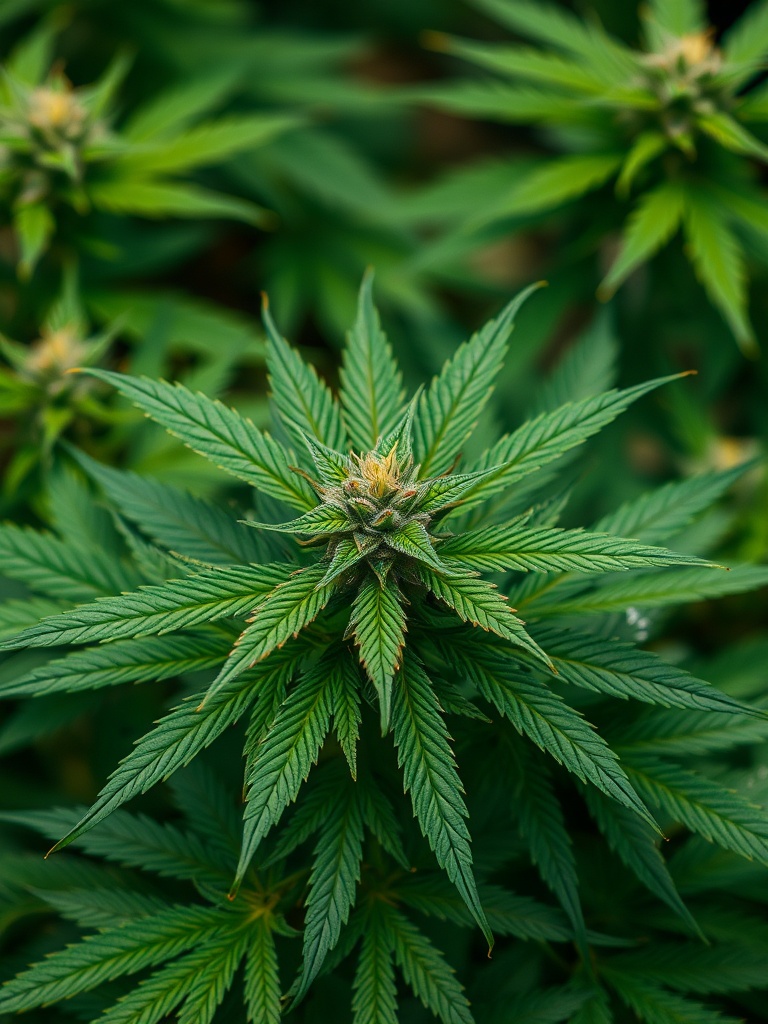
Marijuana refers to the cannabis plant and the products derived from it. The two best-known compounds are THC, which produces psychoactive effects, and CBD, which does not create a high but interacts with the body’s endocannabinoid system. Different strains and formulations balance these compounds to deliver varying effects — from relaxation and pain relief to increased appetite and altered perception.
Medical uses and evidence
Medical cannabis is used for a range of conditions. There is strong evidence for symptom relief in chronic pain, certain types of nausea and vomiting (especially related to chemotherapy), and some seizure disorders. Emerging research explores benefits for anxiety, PTSD, and neuroinflammatory conditions, but responses can be individual and evidence varies by condition and formulation. Always discuss cannabis use with a healthcare provider, especially when taking other medications or managing chronic illnesses.
Consumption methods and considerations
– Smoking and vaping: Offer rapid onset of effects, which helps with dose control, but carry respiratory risks. Vaping may reduce combustion byproducts but requires careful device and cartridge selection.
– Edibles: Provide long-lasting effects and delayed onset. Start with a low dose and wait several hours before increasing — effects can be much stronger and longer-lasting than inhalation.
– Tinctures and sublinguals: Give a moderate onset and allow for more precise dosing.
– Topicals: Applied to the skin for localized relief without psychoactive effects in many cases.
Dosing and harm reduction
Start low and go slow.
Begin with a low dose of THC and increase gradually, especially if inexperienced or trying a new product.
Keep products clearly labeled and stored away from children and pets.
Avoid driving or operating heavy machinery while impaired. Combining alcohol or sedatives with THC can increase impairment and risk.
Product quality and labeling
Quality varies widely. Choose products from reputable dispensaries or suppliers that provide third-party lab testing for potency, contaminants, and residual solvents.
Reliable labels should list THC/CBD content, serving sizes, and any additives. Beware of unregulated sources that may have inaccurate labeling or harmful contaminants.
Legal landscape and workplace issues
Legal status varies by jurisdiction, affecting possession limits, permitted use, and workplace policies. Even where personal use is permitted locally, federal or organizational rules may still apply. Check local regulations and understand employer policies regarding marijuana and drug testing.
Storage and safety
Store cannabis in child-resistant, opaque containers in a cool, dry place to preserve potency and prevent accidental ingestion. For edibles, clear labeling and separate storage help avoid unintended consumption by family members or pets.
Staying informed
Science and policy around marijuana continue to change. Follow reputable medical and regulatory sources, seek professional medical advice when considering cannabis for health reasons, and take a cautious, informed approach to use.
Thoughtful choices help maximize potential benefits while minimizing risks.