CBD oil: what it is, how it works, and how to choose the right product
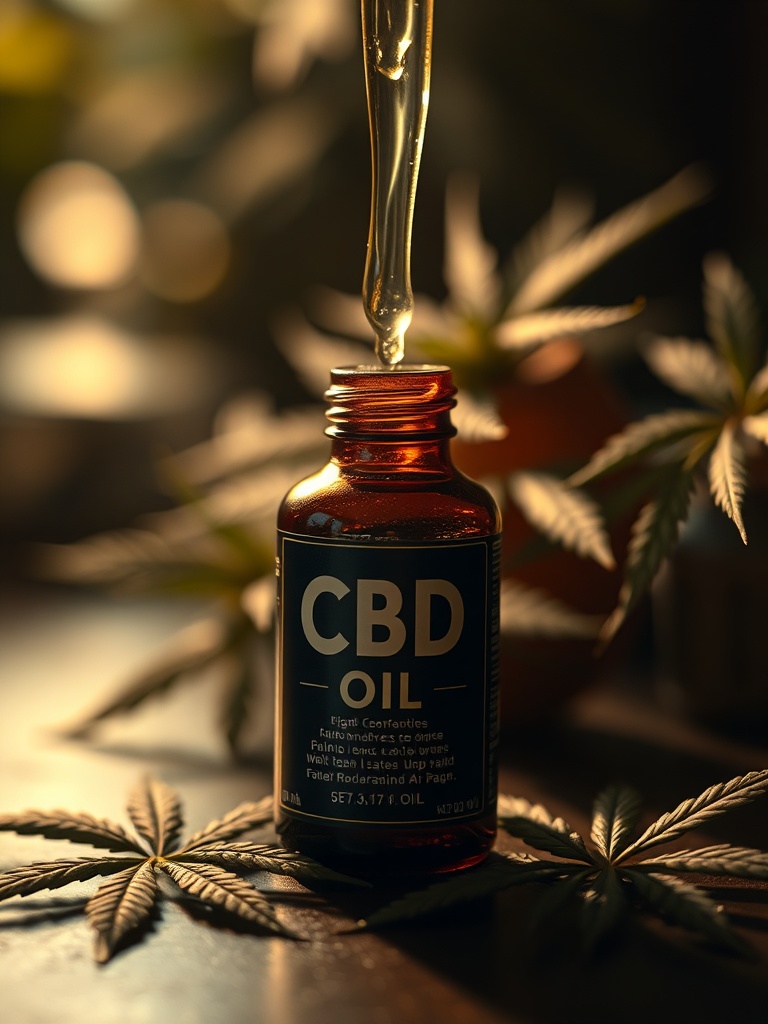
CBD oil is an extract derived from hemp plants that’s grown in popularity for its potential wellness benefits. Unlike THC, the compound that causes a high, cannabidiol (CBD) does not produce psychoactive effects at typical doses. Interest has grown around CBD oil for sleep support, stress relief, and general wellness, but understanding how it works and how to choose a quality product is essential.
How CBD oil works
CBD interacts with the body’s endocannabinoid system, a network of receptors involved in regulating mood, sleep, pain perception, and immune response. CBD doesn’t bind directly to the main cannabinoid receptors in the same way THC does; instead, it appears to influence the system more indirectly and may affect other neurotransmitter systems. This complex interaction is one reason user experiences can vary.
Types of CBD oil
– Full-spectrum: contains CBD plus other hemp compounds, including trace amounts of THC.
Many users prefer full-spectrum because of the “entourage effect,” where multiple plant compounds may work together to enhance benefits.
– Broad-spectrum: includes CBD and other hemp compounds but is processed to remove THC completely.
– CBD isolate: pure CBD without other cannabinoids or terpenes.
Choosing a high-quality product
Look for these markers when shopping for CBD oil:
– Third-party lab reports (COAs): Verify potency and confirm absence of contaminants like heavy metals, pesticides, and residual solvents. COAs should match the product label and be recent.
– Extraction method: CO2 extraction is widely considered a clean, efficient method that preserves cannabinoids and terpenes.
– Transparent sourcing: Hemp grown in clean soil and, ideally, certified organic is less likely to contain harmful residues.
– Clear labeling: Potency per serving, full ingredient list, batch number, and suggested serving size are important.
– Reputation and customer reviews: Brands that are responsive to questions and offer money-back guarantees typically prioritize quality.
Administration and dosing
CBD oil is commonly taken sublingually (under the tongue) using a dropper, swallowed as a capsule, mixed into food or drinks, or applied topically for localized effects.
Bioavailability varies by method—sublingual and inhaled forms generally act faster than oral forms.
“Start low and go slow” is a useful rule: begin with a small dose to assess tolerance, and increase gradually until you find an effective level.
Individual factors—body weight, metabolism, the condition being targeted, and product potency—all influence dosing. Always talk with a healthcare provider before beginning CBD, especially if you take prescription medications, since CBD can interact with enzymes that metabolize some drugs.
Safety and side effects
Common side effects are typically mild and may include dry mouth, drowsiness, gastrointestinal upset, or changes in appetite. High doses can affect liver enzymes in some people; monitoring is wise if taking high amounts or combining with other medications. Pregnant or breastfeeding individuals should avoid CBD products until they consult a healthcare professional.
Legal and testing considerations
Legal status varies by jurisdiction and often depends on THC content.
Some full-spectrum products can lead to positive drug tests because of trace THC, so choose broad-spectrum or isolate products if drug testing is a concern.
Practical buying checklist
– Confirm a current third-party lab report
– Prefer CO2-extracted, organic hemp
– Decide between full-, broad-spectrum, or isolate based on your needs
– Start with a low dose and monitor effects
– Consult a healthcare professional if you take medications or have health concerns
CBD oil can be a useful tool for many people seeking natural wellness support, but quality, dosing, and safety matter.
Careful product selection and open communication with a healthcare provider help maximize potential benefits while minimizing risks.