Decades ago, marijuana was primarily associated with recreational use and counter-culture movements. Today, however, its narrative has evolved significantly, owing to the burgeoning interest in its potential therapeutic applications. Across the globe, researchers, clinicians, and pharmaceutical companies are currently delving deeper into the benefits this plant may offer in the realm of medicine.
Marijuana, also known as cannabis, contains a myriad of compounds called cannabinoids. Two of the most well-known among these are THC (delta-9-tetrahydrocannabinol) and CBD (cannabidiol). THC is the substance that leads to the psychoactive effects or the ‘high’ associated with marijuana. CBD, on the other hand, does not have psychoactive properties, but has recently gained the spotlight for its purported health benefits.
One area where marijuana has demonstrated considerable promise is pain management. Chronic pain conditions such as multiple sclerosis and fibromyalgia often do not respond well to conventional painkillers, leaving patients in a constant search for effective relief. Medical marijuana, particularly strains high in CBD, have been found to alleviate pain in some patients, offering a glimmer of hope in the battle against chronic pain.
In addition to pain relief, marijuana may have potential as a treatment for a variety of mental health disorders, including anxiety and post-traumatic stress disorder (PTSD). CBD, in particular, appears to interact with the brain’s serotonin receptors, which may explain its anxiety-reducing effects.
For individuals with PTSD, medical marijuana has been reported to help manage symptoms such as flashbacks and nightmares.
Moreover, the benefits of marijuana extend to alleviating the side effects of chemotherapy, including nausea and loss of appetite. For cancer patients undergoing this treatment, medical marijuana can potentially improve the quality of life by making these side effects more manageable.
Despite these promising leads, it’s crucial to remember that the research into marijuana’s medical applications is ongoing. The scientific community agrees that more robust, large-scale studies are needed to solidify our understanding of its benefits and risks. As a relatively new area of medicine, there exist challenges, such as establishing the optimal dosage, understanding long-term effects, and navigating the legal landscape, which can vary widely region by region.
Another important point to consider is that while marijuana may have potential medical benefits, recreational use can come with risks, particularly when it comes to the development of dependency or the onset of mental health issues in those predisposed. As such, the use of marijuana, especially for medicinal purposes, should always be under the supervision of a healthcare professional.
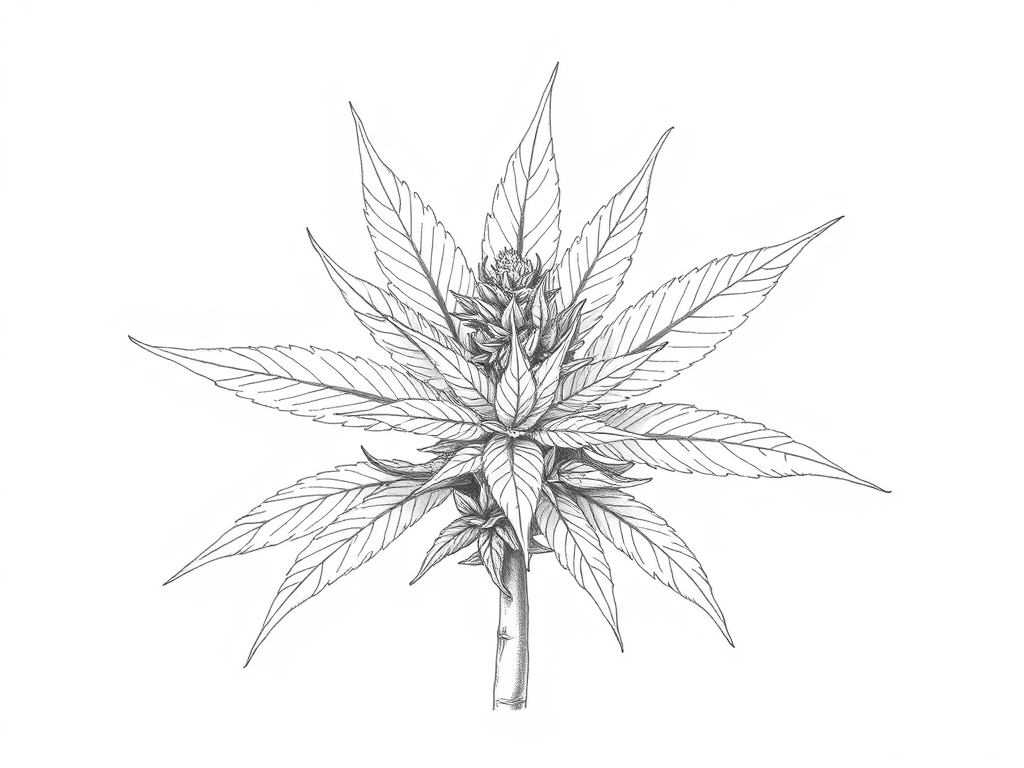
Today, the exploration into the therapeutic potential of marijuana is one of the most exciting developments in modern medicine. As research progresses, the hope is that we can harness the power of this ancient plant to better understand its role in promoting wellness and addressing a multitude of health issues. With marijuana shedding its traditional stigma and gaining acceptance in the medical realm, a new era of therapeutic possibilities may be on the horizon.