CBD oil remains one of the most discussed natural wellness products, prized for its versatility and growing body of research.
Understanding what it is, how it works, and how to choose a quality product helps consumers get results while avoiding pitfalls.
What is CBD oil?
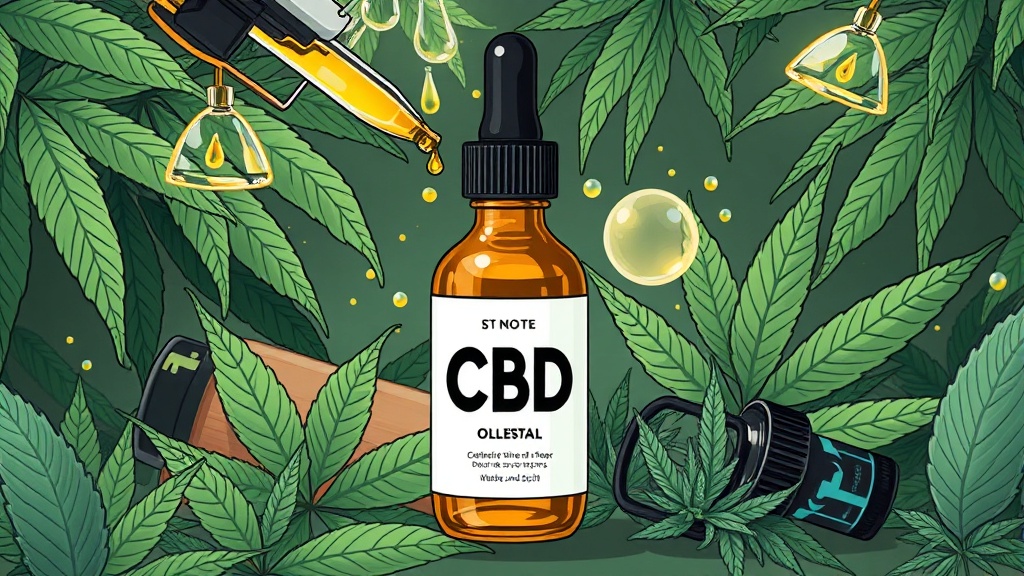
Cannabidiol (CBD) is a non-intoxicating compound found in hemp. CBD oil typically combines a CBD extract with a carrier oil such as MCT oil, hemp seed oil, or olive oil. Unlike THC, CBD doesn’t produce a “high,” which makes it popular for people seeking therapeutic effects without intoxication.
How it may help
Research and anecdotal reports indicate CBD may help with:
– Managing everyday stress and promoting calm
– Supporting sleep quality for some users
– Reducing temporary discomfort and supporting recovery when used topically
– Helping with certain neurological conditions under medical supervision
These potential benefits are subject to ongoing study, and responses vary by individual. Evidence is strongest for specific medical uses under healthcare oversight, so any therapeutic use should be discussed with a clinician.
Types of CBD products
– Full-spectrum: Contains all naturally occurring hemp compounds, including trace THC.
Many users prefer it for the “entourage effect,” where multiple compounds may work synergistically.
– Broad-spectrum: Includes multiple hemp compounds but is typically processed to remove THC.
– Isolate: Pure CBD, with all other cannabinoids and terpenes removed.
Delivery methods and bioavailability
– Sublingual (tinctures): Placed under the tongue for relatively fast absorption.
– Capsules and edibles: Convenient and discreet but take longer to take effect due to digestion.
– Vaping: Fast-acting but carries inhalation-related risks; choose this method cautiously.
– Topicals: Applied to the skin for localized comfort without systemic effects.
Safety, interactions, and side effects
CBD is generally well tolerated, but some people experience drowsiness, dry mouth, or changes in appetite. CBD can interact with medications metabolized by liver enzymes (CYP450), including blood thinners.
Pregnant or breastfeeding people should avoid CBD unless a healthcare provider advises otherwise.
Always disclose CBD use to medical professionals before procedures or when starting new prescriptions.
Choosing a quality product
– Look for third-party testing and a Certificate of Analysis (COA) that verifies CBD potency and shows contaminant testing for pesticides, heavy metals, and solvents.
– Prefer hemp sourced from reputable farms and CO2 extraction methods, which preserve cannabinoids without harsh solvents.
– Check the label for cannabinoid content per serving, ingredient transparency, and clear dosing guidance.
– Avoid products making sweeping medical claims.
Reputable brands stay within regulatory guidance and provide measured information.
Dosing guidance
Start low and go slow: begin with a small amount, monitor effects, and increase gradually until you reach a stable, effective dose. Factors that influence dosing include body weight, metabolism, product potency, and the condition being addressed. When in doubt, consult a healthcare professional experienced with CBD.
Storage and shelf life
Store CBD oil in a cool, dark place away from direct sunlight. Properly sealed bottles can maintain potency for months; check the product’s best-by or expiration information.
Final considerations
CBD oil can be a valuable addition to many wellness routines when chosen and used thoughtfully. Prioritize product quality, be aware of potential interactions, and consult a healthcare provider to tailor use to your needs.
Doing so helps ensure safer, more effective results.