THC: What to Know About Effects, Uses, and Safe Consumption
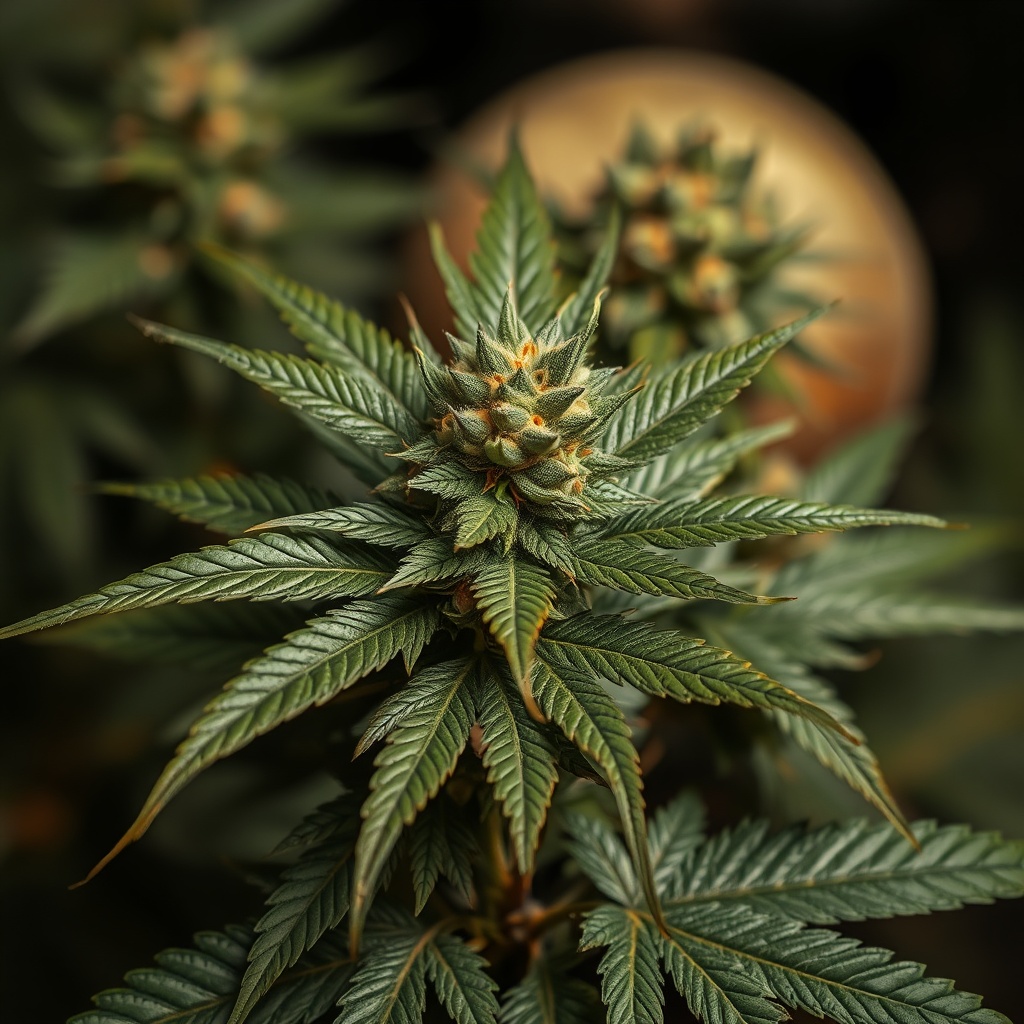
Delta-9-tetrahydrocannabinol (THC) is the primary psychoactive compound found in cannabis and a frequent topic for both medical users and recreational consumers.
Understanding how THC works, how to use it safely, and what to watch out for can help you make informed choices.
How THC affects the body
THC binds to cannabinoid receptors in the brain and central nervous system, producing the familiar effects of relaxation, euphoria, altered perception, and appetite stimulation. Effects depend on dose, route of administration, individual tolerance, and the presence of other cannabinoids such as CBD. Some people experience anxiety, paranoia, or cognitive impairment—risks that increase with higher doses and certain product types.
Common forms and onset times
– Inhalation (smoking, vaping): Fast onset—usually within minutes—with effects peaking quickly and lasting a few hours. Ideal for titrating dose but carries risks associated with combustion or poorly manufactured vape cartridges.
– Edibles: Delayed onset—often 30 minutes to several hours—and longer duration. Edible dosing is the most common source of accidental overconsumption because of delayed effects and inconsistent homemade doses.
– Tinctures and sublinguals: Intermediate onset, offering more predictable absorption than edibles for many users.
– Topicals: Provide localized relief without systemic psychoactive effects in most cases.
Variants and marketplace trends
Beyond delta-9 THC, consumers encounter delta-8, delta-10, THCA, and engineered analogs. These variants can produce psychoactive effects at different potencies and legal classifications. Products made by chemical conversion or from extracts in unregulated settings may contain impurities or inaccurate potency claims, so verifying third-party lab testing is important.
Medical uses and evidence
THC is used therapeutically for symptom relief in conditions such as chronic pain, chemotherapy-induced nausea and vomiting, appetite loss, and spasticity. Evidence varies by condition and product; some outcomes are well-supported while others need more rigorous study.
Combining THC with CBD may alter effects and side-effect profiles for some patients.
Safety, interactions, and special populations
– Mental health: Individuals with personal or family history of psychosis or bipolar disorder should approach THC with caution, as it can precipitate or worsen symptoms in vulnerable people.
– Cardiovascular: THC can increase heart rate and blood pressure fluctuations; people with cardiovascular conditions should consult a clinician.
– Drug interactions: THC may interact with medications metabolized by the liver—discuss with a healthcare provider if you take prescription drugs.
– Driving and operating machinery: THC impairs reaction time and judgment; avoid driving for several hours after use, and longer after high doses or edibles.
Practical harm-reduction tips
– Start low, go slow: Begin with a small dose and wait long enough to assess effects, especially with edibles.
– Verify lab results: Choose products with third-party certificates showing potency and contaminant testing.
– Store safely: Keep all cannabis products out of reach of children and pets and label clearly.
– Avoid mixing: Combining THC with alcohol or sedatives increases impairment and adverse effects.
– Consider testing: If workplace drug screens are a concern, be aware that standard tests detect THC metabolites that can remain detectable for days to weeks depending on use patterns.
Legal and quality considerations vary by location, and availability differs widely. For medical use, consult a clinician knowledgeable about cannabinoid therapy. For recreational users, informed, cautious consumption reduces risks and helps maximize benefits.