Marijuana is more mainstream than ever, and whether you use it for medical relief or recreational relaxation, understanding safe use, consumption methods, and legal considerations is essential. This guide covers practical, evergreen advice to help consumers make informed choices and reduce risk.
How cannabis works
Cannabis contains hundreds of compounds, but the two most discussed are THC (which produces psychoactive effects) and CBD (non-intoxicating and often used for symptom relief).
Products vary widely in potency and profile—knowing a product’s THC and CBD content helps predict effects and dose appropriately.
Choosing a consumption method
– Smoking: Fast onset and short duration.
Effects appear within minutes and typically taper within a few hours.
Smoking may irritate lungs; consider it only if respiratory health is strong.
– Vaping: Also delivers quick effects but carries risks tied to unregulated cartridges and additives. Use lab-tested products and follow manufacturer instructions.
– Edibles: Stronger and longer-lasting because of liver metabolism. Onset can take 30 minutes to 2 hours; peak effects last several hours.
Start low and go slow.
– Tinctures and sublinguals: Placed under the tongue for moderate onset speed and easier dosing control.
– Topicals: Useful for localized relief without systemic intoxication.
Dosing basics
Begin with a low dose, especially for edibles.
For many people, 2.5–5 mg of THC is an appropriate starting point for trying an edible; more experienced users may prefer higher doses. Wait at least two hours before redosing edibles. Microdosing—using very small amounts to achieve subtle effects—can deliver benefits without impairment.
Reading labels and verifying quality
Buy from licensed retailers when possible.
Look for lab reports or COAs (certificate of analysis) that confirm cannabinoid potency and absence of contaminants like pesticides, heavy metals, and residual solvents. Labels should clearly list THC/CBD content per serving and per package.
Health considerations and interactions
Cannabis can interact with prescription medications, especially those metabolized by the liver’s CYP450 enzymes. People with heart conditions, pregnancy, breastfeeding, or a history of psychosis should consult a healthcare provider before using cannabis. Be mindful of potential short-term effects like anxiety or impaired coordination and long-term risks associated with heavy, chronic use.
Safety and storage
Store cannabis in childproof, opaque containers out of reach of children and pets. Keep edibles clearly separated from regular food. Secure storage also helps maintain product freshness and potency.
Legal and workplace implications
Laws vary widely by jurisdiction—some allow recreational use, others only medical, and some maintain prohibition. Even where use is legal, workplace drug policies and zero-tolerance rules can affect employment. Avoid transporting cannabis across national borders; crossing with cannabis can carry serious legal consequences regardless of local legalization.
Impairment and driving
Never drive while impaired. Cannabis can slow reaction time and impair judgment. Plan ahead—use public transit, rideshare, or designate a sober driver when consuming.
Practical tips
– Start low, go slow with edible dosing
– Prefer lab-tested products from licensed retailers
– Avoid mixing cannabis with alcohol or sedatives
– Keep a small journal to track strains, doses, and effects
– Take tolerance breaks if you find effects diminishing
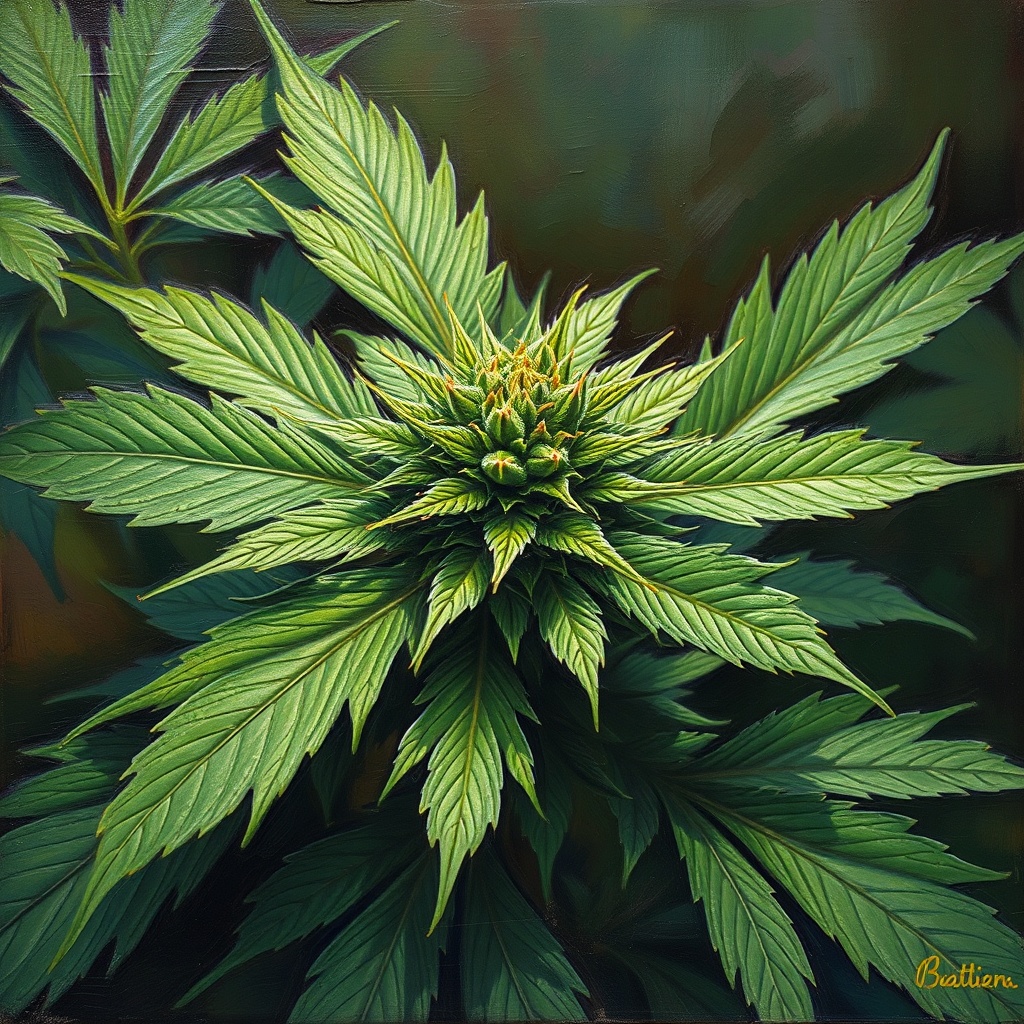
Making informed choices about marijuana involves more than preference—it’s about safety, quality, and awareness of legal responsibilities. Careful dosing, verified products, and common-sense precautions go a long way toward a safer, more predictable experience.