Marijuana remains a prominent topic across health, policy, and lifestyle conversations.
Whether you’re exploring medical options, curious about different consumption methods, or tracking legal changes in your area, understanding the essentials can help you make safer, more informed choices.
What marijuana is and why it matters
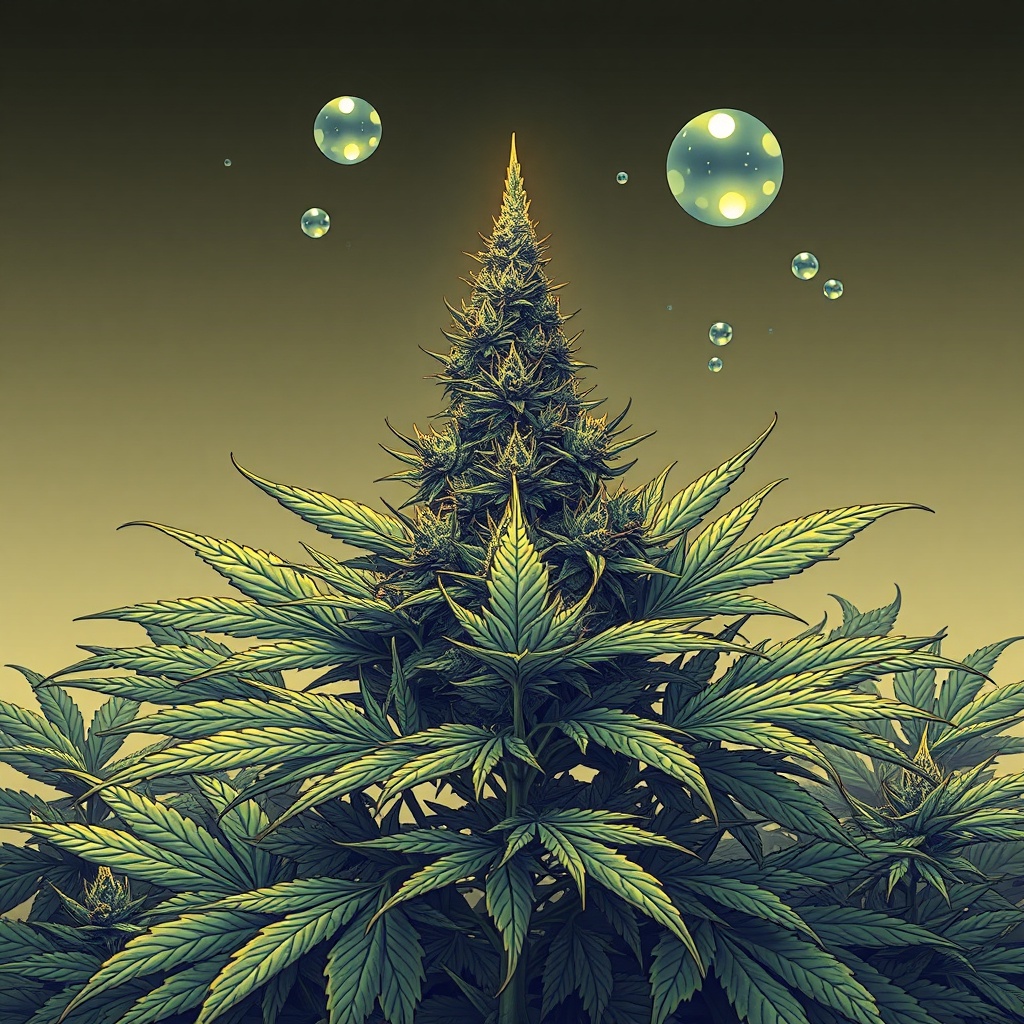
Marijuana (cannabis) contains hundreds of active compounds, with cannabinoids and terpenes driving most of its effects. THC is the primary psychoactive cannabinoid that produces the “high,” while CBD is non-intoxicating and commonly used for symptom relief. Terpenes — aromatic oils like myrcene and limonene — interact with cannabinoids and influence flavor, aroma, and subtle effects.
Medical uses and evidence
Evidence supports cannabis use for certain conditions such as chronic pain, neuropathic pain, chemotherapy-related nausea, and some spasticity disorders.
CBD shows promise for anxiety and specific seizure disorders. That said, effectiveness varies by condition, dose, formulation, and individual response. Discuss use with a healthcare professional, especially if you’re taking other medications; cannabis can interact with blood thinners and other prescriptions.
Consumption methods and timing
– Smoking and vaping: Fast onset, typically minutes, making dose adjustments easier. Avoid unregulated vape products to reduce contamination risk.
– Edibles: Delayed onset (often 30 minutes to several hours) but longer-lasting effects.
Start low and wait at least a couple of hours before increasing dose.
– Tinctures and sublinguals: Moderate onset (15–45 minutes) and straightforward dosing.
– Topicals: Applied to skin for localized relief; usually non-intoxicating.
– Capsules: Convenient, precise dosing but shares edible delay characteristics.
Dosing and responsible use
Microdosing—using very small amounts of THC to achieve therapeutic effects without impairment—is a growing approach. For inexperienced users or edibles, a low starting dose and slow titration are essential. Avoid mixing cannabis with alcohol or other sedatives. Never drive or operate heavy machinery while impaired.
Safety, quality, and contaminants
Purchase products from licensed retailers when available.
Look for third-party lab certificates of analysis (COAs) that confirm potency and screen for pesticides, heavy metals, and residual solvents. Unregulated products, especially homemade extracts and illicit cartridges, carry higher risks of contamination.
Legal and workplace considerations
Legal status varies widely by jurisdiction, from fully legal adult use to medical-only or illegal frameworks. Even where use is legal, workplace drug policies and public consumption rules often remain restrictive. Check local laws and employer policies before using.
Special populations and warnings
Pregnant and breastfeeding people should avoid cannabis due to potential developmental risks.
Adolescents are also more vulnerable to cognitive and psychiatric effects. Older adults should start with low doses and consider drug interactions.
Shopping tips
– Check potency (THC and CBD levels) and choose ratios that match your goals.
– Favor products with clear labeling and COAs.
– Ask budtenders or pharmacists about onset times and recommended starting doses.
– Prefer whole-flower or full-spectrum extracts if you want the entourage effect; choose isolates if avoiding other cannabinoids or terpenes.
Final note
As research and regulations evolve, staying informed and cautious is the best strategy. For health-related decisions, consult a medical professional familiar with cannabis therapeutics and follow local laws and safety recommendations.