What is THC and how it works
THC (tetrahydrocannabinol) is the primary psychoactive compound found in cannabis that produces the “high” many users seek.
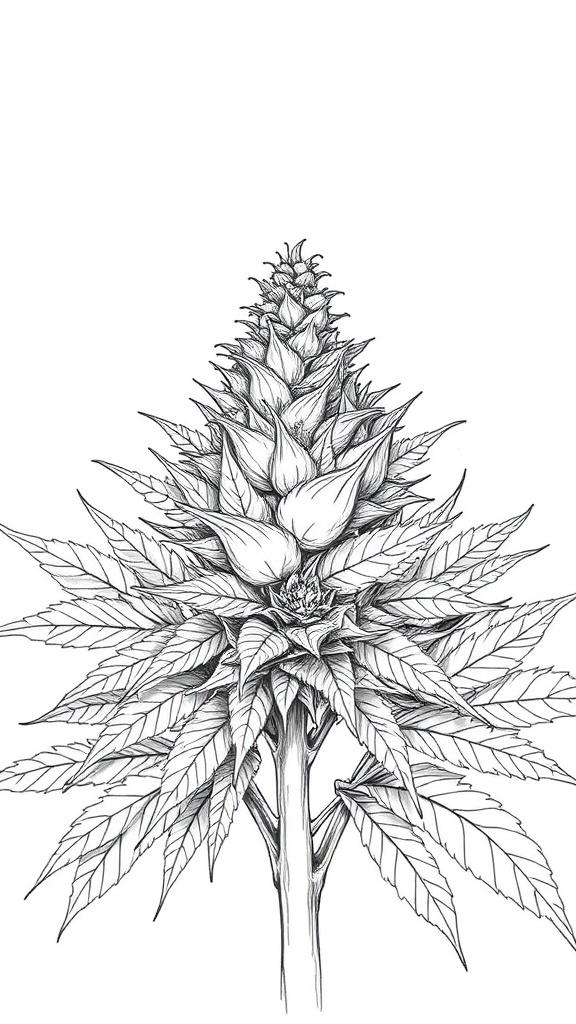
It interacts with the endocannabinoid system, primarily binding to CB1 receptors in the brain and central nervous system. That interaction alters perception, mood, appetite, pain signaling, and motor control. In raw cannabis the compound exists mostly as THCA, a non-intoxicating precursor that converts to active THC through heat (decarboxylation).
Common forms and methods of use
– Smoking or vaping: Fast onset (minutes) and shorter duration (a few hours). Effects are easier to titrate but vaping device quality matters for safety.
– Edibles: Onset is much slower (often 30–120 minutes), intensities can be stronger, and duration is longer (several hours). Effects are produced by liver metabolism, which converts THC to a more potent metabolite in some people.
– Tinctures and sublinguals: Faster than edibles but slower than inhalation. Useful for more measured dosing.
– Topicals and transdermals: Often marketed for localized relief; topicals generally don’t produce psychoactive effects unless formulated to deliver THC systemically.
Dosing and harm reduction
“Start low, go slow” is a reliable approach. Microdosing (for example, 1–2.5 mg THC) can provide subtle effects without impairment for some users. A moderate edible dose commonly falls in the 5–10 mg range, but individual sensitivity varies widely. Tips for safer use:
– Begin with a small dose and wait to fully feel effects before taking more—especially with edibles.
– Avoid mixing THC with alcohol or sedatives.
– Do not drive or operate heavy machinery while impaired.
– Keep products secured away from children and pets; THC is toxic to animals.
Safety, side effects, and interactions
THC can cause short-term side effects such as dry mouth, dizziness, anxiety or paranoia, increased heart rate, and impaired coordination. Very high doses may trigger severe anxiety, hallucinations, or vomiting; medical attention should be sought for persistent or severe symptoms.
THC and CBD can interact with prescription medications by affecting liver enzymes (notably CYP2C9 and CYP3A4), which may alter levels of drugs like anticoagulants or certain antidepressants. Consult a healthcare provider before using THC if on medication or if there’s a personal or family history of psychosis.
Product quality and testing
Lab-tested products are important. Look for a certificate of analysis (COA) that shows potency and screens for contaminants—pesticides, heavy metals, residual solvents, and microbial life. Mislabeling and contamination are ongoing concerns, particularly in unregulated markets.
Synthetic cannabinoids and poorly manufactured concentrates present additional risks and should be avoided.
Medical and therapeutic considerations
THC is used by some people for symptom relief—such as pain, nausea, appetite loss, and muscle spasticity.
Evidence varies by condition and product; some users report meaningful benefit while others find limited relief. Combining THC with CBD may alter effects and side-effect profiles for some conditions.
Legal landscape and workplace testing
Regulation varies widely by jurisdiction.
Some places allow medical or recreational use, others allow only hemp-derived low-THC products, and many retain strict prohibitions. THC metabolites can remain detectable in urine for days to weeks depending on frequency of use, body fat, and metabolism—important for workplace testing considerations.
Practical final guidance
Choose lab-tested products, dose carefully, avoid mixing with other depressants, and discuss use with a healthcare provider if taking other medications or managing chronic health conditions. Responsible, informed use reduces risk and helps align expectations with outcomes.