CBD Oil: What to Know Before You Buy
CBD oil is one of the most talked-about natural supplements on the market. Whether you’re curious about effects, safety, or how to choose a quality product, understanding the essentials helps you make smarter purchases and use CBD effectively.
What CBD is and how it works
Cannabidiol (CBD) is a non-intoxicating compound derived from hemp. It interacts with the body’s endocannabinoid system—an internal network involved in sleep, appetite, mood, and pain regulation—so people report varied benefits.
Scientific study is ongoing, and while research shows promise, individual responses vary widely.
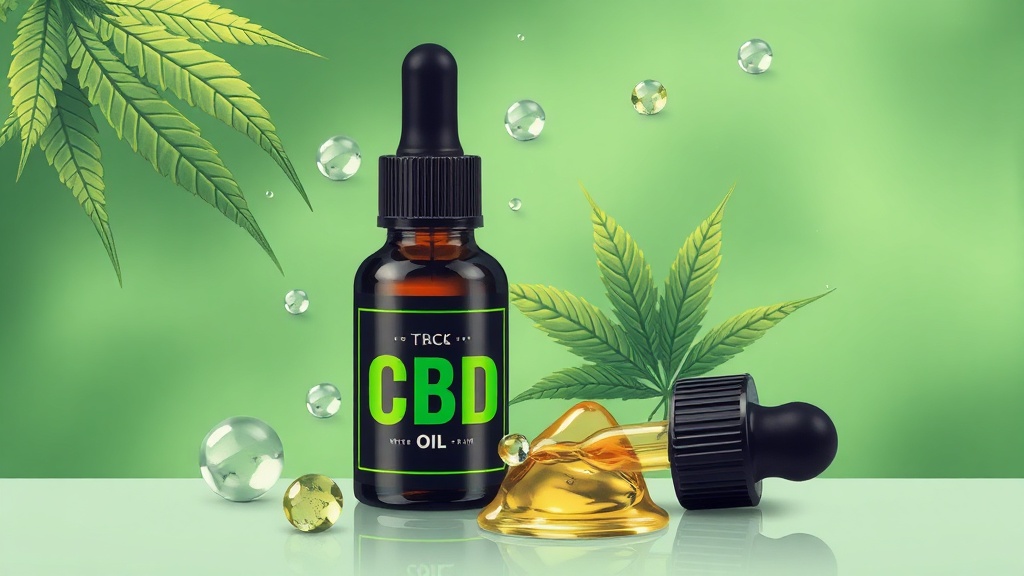
Types of CBD products
– Full-spectrum: Contains CBD plus other hemp compounds, including trace THC. Many users prefer this for the “entourage effect,” where compounds work together.
– Broad-spectrum: Similar to full-spectrum but THC is removed; it may still offer combined benefits without detectable THC.
– CBD isolate: Pure CBD with no other cannabinoids or terpenes, useful for those who want zero THC.
Forms and bioavailability
– Tinctures (sublingual): Placing drops under the tongue allows faster absorption and flexible dosing.
– Capsules and softgels: Convenient and consistent dosing, but slower onset.
– Edibles (gummies): Easy to use and discreet; effects take longer due to digestion.
– Topicals: Creams and balms work locally and are useful for targeted relief.
– Vapes: Fast onset and high bioavailability but carry respiratory risks; choose carefully.
How to choose a quality product
– Third-party testing (COA): Look for a Certificate of Analysis showing cannabinoid potency and testing for pesticides, heavy metals, solvents, and microbes. Reputable brands make COAs easy to find.
– Extraction method: CO2 extraction is widely considered the cleanest, though ethanol extraction is also common. Avoid brands that don’t disclose methods.
– Ingredient transparency: Check the carrier oil (MCT, hemp seed oil), added flavors, and any additional botanicals. Prefer minimal, recognizable ingredients.
– Label accuracy: Verify CBD content per serving and total bottle potency. If numbers seem off or inconsistent across listings and labels, proceed with caution.
– Reputation and reviews: Look for brands with consistent customer feedback and clear customer service policies, including return and shipping terms.
Dosing guidance and safety
There’s no one-size-fits-all dose. A common approach is “start low, go slow”: begin with a small dose (many people start with low milligram amounts) and increase gradually until you find the effect you want. Tracking how you feel and the amount you took helps dial in the right level.
Possible side effects include dry mouth, drowsiness, digestive upset, and changes in appetite.
CBD can interact with some medications by affecting liver enzymes (CYP450 pathway), so check with a healthcare professional—especially if you take blood thinners, certain antidepressants, or other prescription drugs.
Legal and practical considerations
Legal rules vary by location. Hemp-derived CBD with minimal THC is widely available in many places, but local regulations can differ. If you’re subject to workplace drug testing, be aware that full-spectrum products can carry trace THC that might show up on tests.
Storage and shelf life
Store CBD oil in a cool, dark place away from heat and direct sunlight to preserve potency. Keep bottles tightly closed and follow the manufacturer’s recommended shelf life.
Final tips
Prioritize transparency: choose brands that publish lab reports, disclose extraction methods, and provide clear dosing information. Consult a healthcare professional for personalized guidance, especially when combining CBD with other medications. With careful selection and informed use, CBD oil can be integrated responsibly into your wellness routine.