Cannabis: How to Choose, Use, and Stay Safe
Cannabis has moved from niche to mainstream, and consumers now face a wider range of products and information than ever. Whether you’re curious about medical benefits, interested in recreational options, or exploring wellness uses like CBD, understanding product types, safety practices, and dosing will help you get the most from the plant.
Understanding cannabinoids and terpenes
Two cannabinoids dominate most conversations: THC and CBD.
THC delivers psychoactive effects and can relieve pain, nausea, and stimulate appetite.
CBD is non-intoxicating for most people and is commonly used for anxiety management, inflammation, and sleep support. Beyond these, dozens of other cannabinoids and terpenes (aromatic compounds like myrcene, limonene, pinene, linalool, and caryophyllene) influence aroma, flavor, and subtle effects. Look for product descriptions or certificates of analysis that list dominant terpenes when seeking specific sensory or therapeutic profiles.
Product types and onset times
– Flower (smokable): Fast onset, effects felt within minutes, and duration typically a few hours. Dosing is easily adjustable but can be intense for inexperienced users.
– Vapes/concentrates: Rapid onset and high potency. Prioritize regulated products with third-party lab testing; avoid illicit cartridges due to past links to lung injury from additives.
– Edibles: Much slower onset (often 30 minutes to two hours), longer duration, and higher unpredictability. Start very low and wait before redosing.
– Tinctures and sublinguals: Faster than edibles but slower than inhalation. Useful for controlled dosing.
– Topicals: Applied to skin for localized relief; generally non-intoxicating.
Safety and quality: what to look for
Always choose products that provide a certificate of analysis (COA) from an independent lab.
COAs verify cannabinoid potency and screen for contaminants such as pesticides, heavy metals, solvents, and microbial contaminants. Avoid products with vague labeling, unverified potency claims, or unknown supply chains. Store cannabis securely and out of reach of children and pets; packaging should be child-resistant.
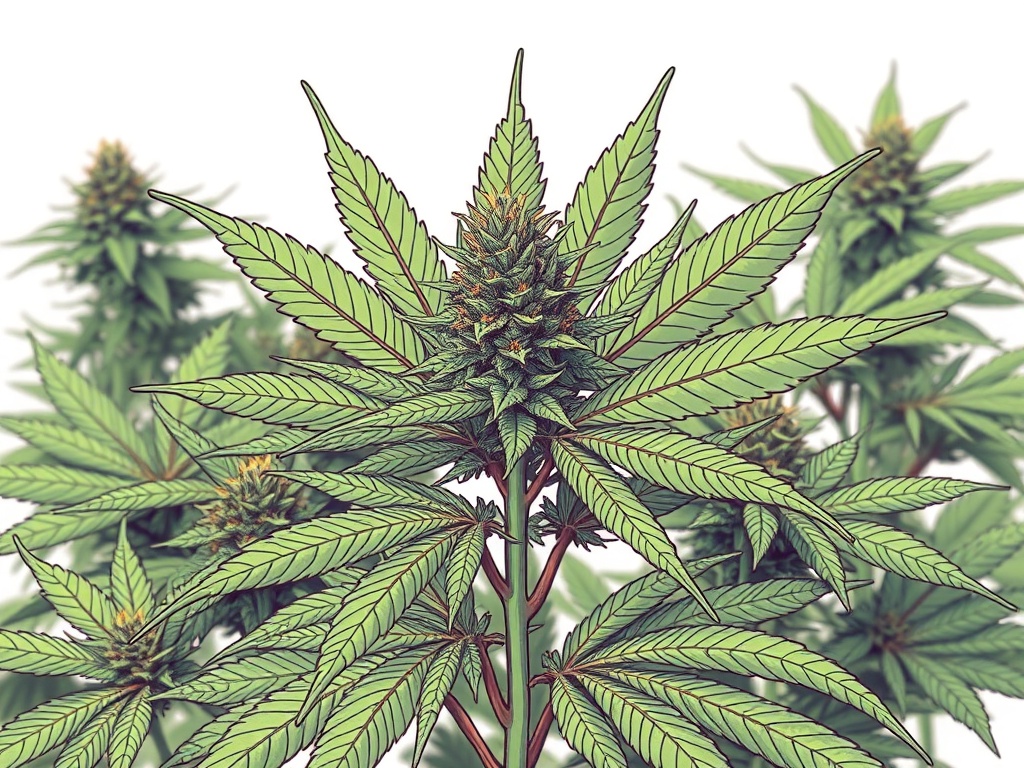
Dosing: start low and go slow
Because potency varies widely between products, start with a small amount. For edibles, standard advice is to begin with a low microdose and wait adequate time before consuming more. For inhalation, take a single puff and wait to assess effects. Keep a consumption log to track how different strains, dosages, and routes affect you.
Drug interactions and precautions
Cannabis can interact with prescription medications, particularly those metabolized by liver enzymes. Alcohol can amplify intoxicating effects and impair judgment. Pregnant or breastfeeding people and those with certain mental health conditions should avoid or consult a healthcare professional before using cannabis.
Trends worth noting
Craft and sun-grown cannabis are gaining attention for flavor profiles and sustainability. Solventless concentrates like rosin offer a cleaner concentrated option for those wary of chemical solvents.
Increased demand for lab transparency is pushing more brands to make COAs readily accessible.
Final tips
Buy from reputable, regulated retailers, prioritize products with third-party lab results, practice cautious dosing, and never drive or operate heavy machinery while impaired. With careful selection and responsible use, cannabis can be incorporated safely into both wellness routines and recreational experiences.