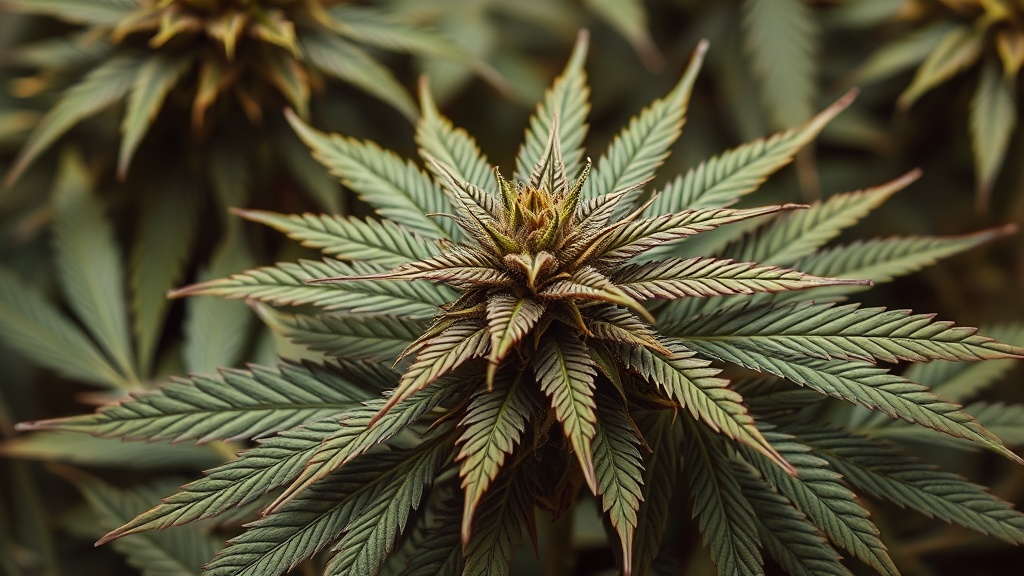
Cannabis is evolving from a counterculture plant into a sophisticated industry with growing scientific, medical, and consumer interest. Whether you’re a patient, recreational user, or curious newcomer, understanding key trends and practical safety tips helps you make smarter choices.
What’s new in cannabinoids and terpenes
Beyond THC and CBD, minor cannabinoids like CBG, CBC, and THCV are getting attention for distinct effects and potential therapeutic uses. Many products now advertise “broad-spectrum” or “full-spectrum” profiles to leverage the entourage effect—the idea that cannabinoids and terpenes work together to modify effects. Common terpenes such as myrcene, limonene, linalool, and pinene are linked to relaxation, mood elevation, sleep support, and alertness, respectively, though individual responses vary.
Consumption methods and what to expect
– Inhalation (smoking, vaping): Fast onset, easier dose titration, but potential respiratory risks with unregulated vaping products. Use lab-tested cartridges and avoid black-market devices.
– Oral (edibles, capsules, tinctures): Slower onset and longer-lasting effects; start with a low dose and wait for the full effect before redosing. Edibles can be potent and unpredictable for inexperienced users.
– Sublingual (tinctures): Faster than edibles but milder than inhalation—useful for controllable dosing.
– Topicals and transdermals: Useful for localized relief without systemic intoxication; transdermals aim for systemic delivery without inhalation.
Practical dosing guidance
Start low and go slow. For THC, microdosing often begins at 1–2.5 mg to minimize intoxication while exploring subtle benefits. CBD dosing is highly individual; many people find effect in low-to-moderate ranges, but therapeutic uses may require higher amounts under medical supervision.
Always read product labels and lab reports, and consult a healthcare provider when combining cannabis with prescription medications—CBD and THC can interact with liver enzymes (CYP450), affecting drug levels.
Product safety and lab testing
Purchasing lab-tested cannabis is critical. Look for a certificate of analysis (COA) from an accredited lab confirming:
– Cannabinoid and terpene profiles
– Absence of pesticides, heavy metals, residual solvents, and microbial contaminants
Extraction methods vary—CO2 extraction and solventless techniques are popular for purity, while hydrocarbon extraction is efficient but must be carefully purged to remove residual solvents.
Legal and practical considerations
Laws differ widely by location; adult-use and medical frameworks impose different rules on possession, purchase, and home cultivation. Travel with cannabis is generally restricted even where local laws allow use. Employers may maintain workplace testing and safety policies—know your rights and obligations.
Cultivation and consumer trends
The home-grow and craft-cultivar movement emphasizes genetics, living soil, and integrated pest management to produce flavorful, terpene-rich flower. On the retail side, consumers are gravitating toward precise dosing formats (microdosed edibles, measured tinctures) and products that highlight transparency and sustainability.
Safety reminders
– Don’t drive or operate heavy machinery while impaired.
– Store products securely away from children and pets; edibles can be particularly attractive to animals and kids.
– Avoid mixing cannabis with alcohol or sedatives without medical guidance.
– Seek medical advice for use during pregnancy, breastfeeding, or if you have a history of psychosis.
Navigating cannabis today means balancing curiosity with caution. Educated choices—relying on lab reports, sensible dosing, and awareness of legal and health considerations—help you enjoy benefits while minimizing risk.