Marijuana use has become more mainstream, and understanding safe, effective consumption is essential whether you’re curious about wellness, recreation, or symptom management. Below is a practical guide to choosing products, dosing wisely, and avoiding common pitfalls.
How to choose a product
– Flower vs.
concentrates vs. edibles: Smoking or vaping delivers effects quickly and is easier to titrate. Edibles offer longer-lasting, stronger effects but take longer to onset.
Topicals and tinctures provide localized or sublingual options with milder systemic impact.
– Know your cannabinoids: THC is the primary psychoactive compound; CBD is non-intoxicating and often used alongside THC to modulate effects. Full-spectrum products contain multiple cannabinoids and terpenes, while isolates contain a single compound.
– Check third-party testing: Look for a Certificate of Analysis (COA) that verifies potency and screens for pesticides, heavy metals, and residual solvents.
Lab-tested products reduce risk and provide accurate dosing information.
– Terpenes matter: Terpenes influence aroma and may subtly shape effects. Myrcene leans toward relaxation, limonene toward uplifting sensations, and linalool toward calming profiles. Use terpene information to find products that match your goals.
Dosing basics: start low, go slow
– Inhalation: Effects are usually felt within minutes and peak quickly. Start with one inhalation, wait 10–15 minutes, and repeat slowly to find your comfortable dose.
– Edibles: Begin with a low dose—many experienced users recommend starting at a small dose and waiting up to two hours before redosing. Edible effects are delayed and longer-lasting; overconsumption is the most common source of adverse experiences.
– Microdosing: Small, sub-perceptual doses of THC can offer subtle benefits without intoxication. Microdosing protocols vary, so track your response and adjust gradually.
Safety and interactions
– Don’t mix with alcohol or sedatives: Combining marijuana with alcohol or other depressants can amplify impairment and increase side effects like dizziness and nausea.
– Medication interactions: Cannabis can interact with drugs metabolized by the liver’s CYP450 enzymes. If you’re taking prescription medication, discuss cannabis with a healthcare professional.
– Pregnancy and breastfeeding: Avoid cannabis use during pregnancy and breastfeeding due to potential risks to fetal and infant development.
– Driving and operating machinery: Cannabis impairs coordination and reaction time.
Avoid driving or operating heavy machinery while impaired.
Consumption tips and storage
– Use trusted sources: Buy from licensed retailers when possible and avoid unregulated products, especially those of unknown origin.
– Vaping caution: Prefer regulated devices and verified cartridge suppliers.
Unregulated vape products have been linked to severe lung injury in some cases.
– Storage: Keep products in airtight, child-resistant containers, stored in a cool, dark place to preserve potency and prevent accidental ingestion.
– Responsible social use: Respect local laws and the preferences of others. Be transparent about potency when sharing edibles.
Choosing the right approach for you
Consider why you’re using cannabis—recreation, sleep support, pain relief, or mood—and match the product type and dose to that goal. Track your experiences in a short log: product, dose, method, and effect. That makes it easier to refine choices over time.
When to seek help
If you experience persistent anxiety, severe disorientation, or any troubling symptoms after using marijuana, contact a healthcare provider or local emergency services. For questions about long-term use, dependence, or cessation support, professional resources can provide safe, personalized guidance.
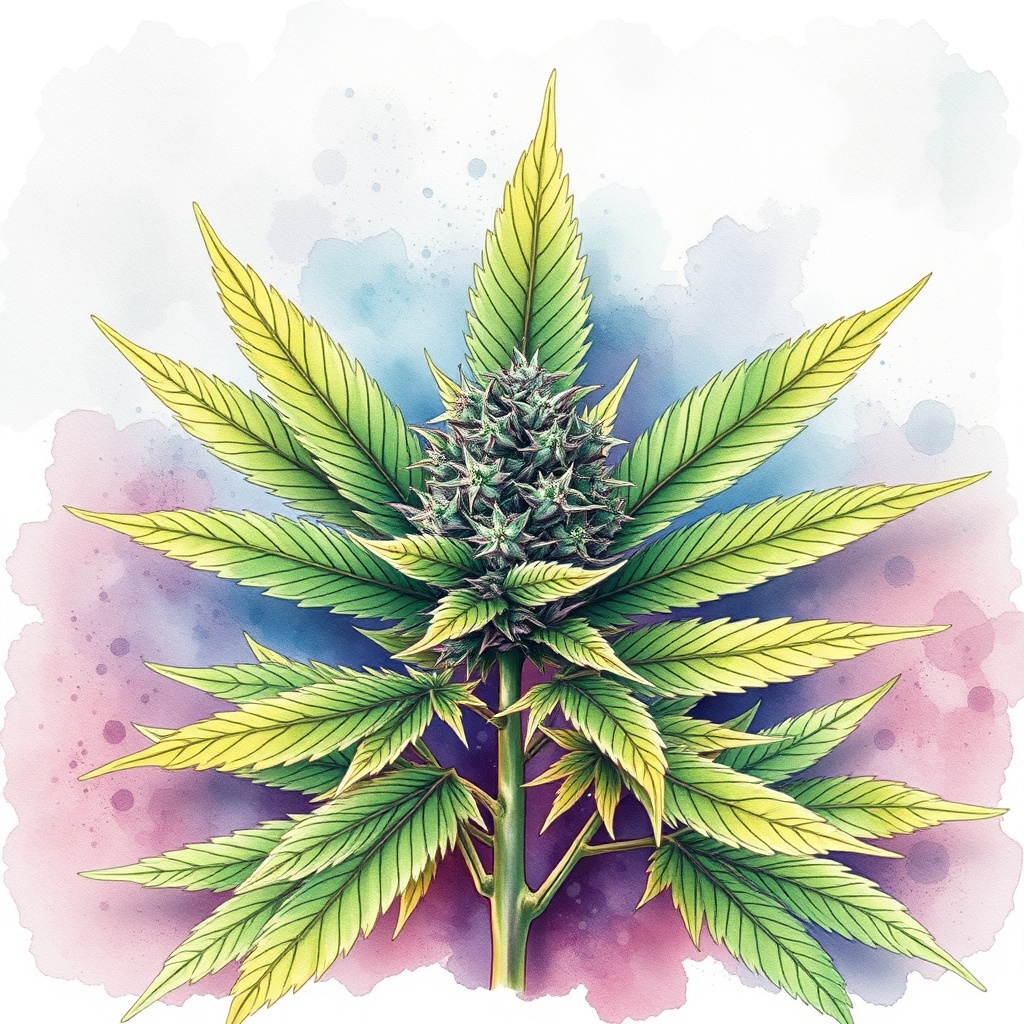
Clear, informed choices reduce risk and increase enjoyment. Prioritize lab-tested products, cautious dosing, and open conversations with healthcare providers to get the most from your cannabis experience.