Microdosing cannabis has become a popular approach for people seeking the therapeutic or mood-enhancing effects of cannabinoids without strong intoxication.
Whether the goal is improved focus, reduced anxiety, or better sleep, microdosing offers a practical, controlled way to explore cannabis with fewer side effects.
What microdosing means
Microdosing typically involves taking a very small amount of a cannabis product—often a fraction of what would produce noticeable psychoactive effects. For THC-dominant products this might be as little as 1–2.5 mg of THC per dose; for CBD-focused regimens, doses can vary more widely but are still modest. The idea is to find the minimal effective dose that delivers benefit while preserving daily function.
Choosing the right product
– Tinctures and sublinguals: These are ideal for precise, low-dose administration because milligram content is clearly labeled and drops can be measured.
Effects are faster than edibles but slower than inhalation.
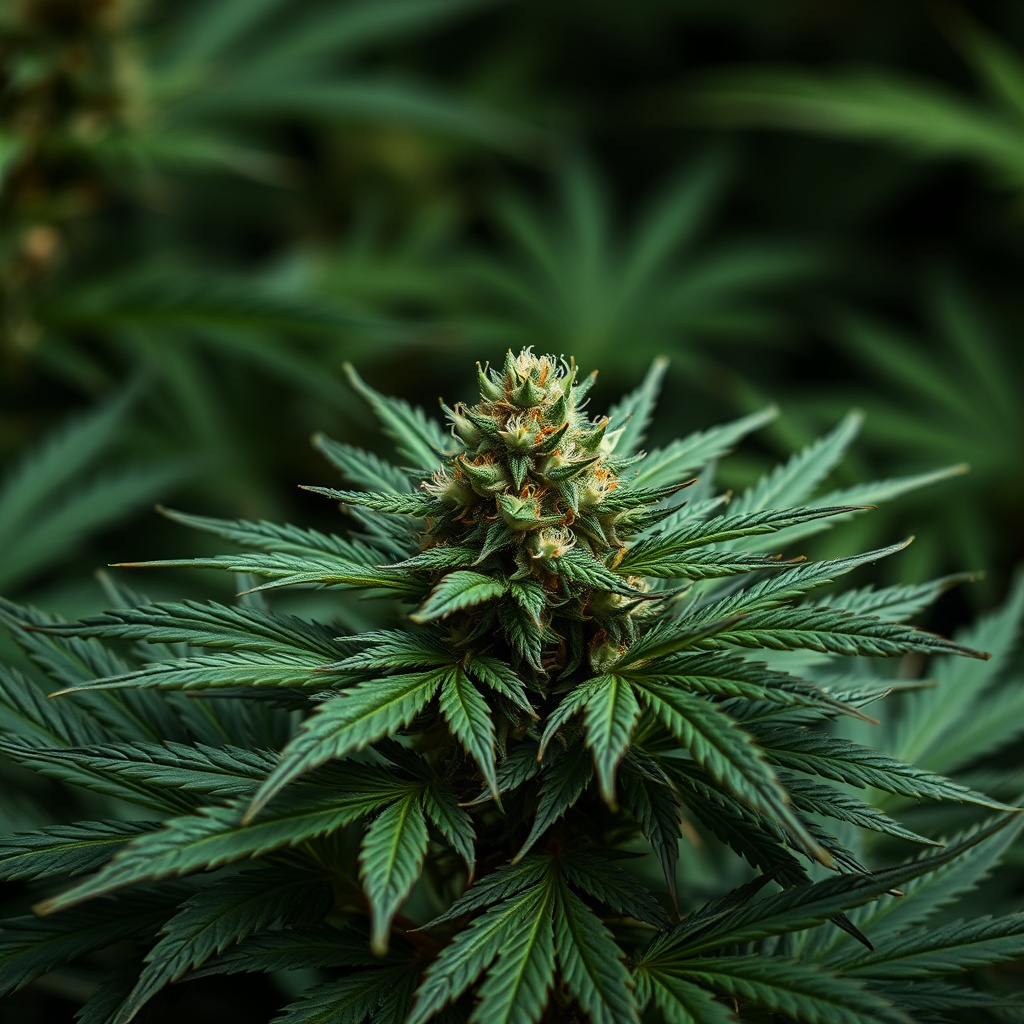
– Vape and flower: Inhalation delivers effects within minutes and allows fine-tuning by taking a single small inhale and waiting to gauge response before consuming more. Use caution with potency and device temperature.
– Edibles: Precise low-dose edibles or homemade micro-dose bites work well for longer-lasting effects, but onset is delayed and dosing is less forgiving. Start with a small amount and wait at least 90 minutes before increasing.
– Low-THC/high-CBD options: Combining small amounts of THC with CBD or using high-CBD strains may reduce anxiety and intensity of psychoactive effects.
Finding your dose
Start low and go slow.
Begin with the lowest practical dose and wait sufficient time for the chosen method to take effect—minutes for inhalation, up to two hours for edibles. Keep a dosing journal that records product, dose, time of day, and effects to spot patterns and make informed adjustments.
Tolerance can vary widely based on metabolism, prior cannabis experience, and body chemistry.
Timing and purpose
Match the microdose to the intended outcome. Small morning doses may enhance focus and creativity for some people, while evening microdoses can help with winding down or easing discomfort. Avoid dosing before tasks requiring alertness, such as driving or operating heavy machinery, until personal response is well understood.
Safety and interactions
Avoid mixing cannabis with alcohol or sedatives. Cannabis can interact with certain prescription medications—especially those metabolized by the liver—so consult a clinician if on medication. Keep products locked away and clearly labeled, particularly around children and pets. Pregnant and breastfeeding individuals should avoid cannabis.
Quality and storage
Buy from reputable sources that provide lab-tested cannabinoid and contaminant results. Store products in a cool, dark place in airtight containers to preserve potency and terpene profile. For flower, use humidity control packs to prevent mold and maintain quality.
Monitoring and adjusting
Microdosing is iterative. If benefits are absent after consistent, careful trials, consider gradual adjustments or switching cannabinoid ratios (e.g., slightly more CBD or a different terpene profile).
If adverse effects occur—anxiety, dizziness, or impaired coordination—reduce the dose or stop.
Microdosing cannabis can be an effective, low-risk way to harness therapeutic benefits while maintaining daily function. With careful product selection, precise dosing, and a mindful approach to timing and safety, many people find a microdosing routine that enhances well-being without unwanted intoxication.