CBD oil remains one of the most talked-about wellness products, used by people looking for natural options to support sleep, stress management, and everyday comfort. Understanding what to look for—and what to avoid—helps you choose a safe, effective product that fits your needs.
What CBD oil is and how it works
CBD (cannabidiol) is a non-intoxicating compound derived from hemp. It interacts indirectly with the body’s endocannabinoid system, which helps regulate mood, sleep, immune response, and pain perception.
Users report varied benefits, and growing research suggests potential for symptom relief in several areas, though definitive medical claims should be approached cautiously.
Types of CBD oil
– Full-spectrum: Contains CBD plus trace cannabinoids, terpenes, and usually a small amount of THC.
Many users prefer it for the “entourage effect,” where compounds may work synergistically.
– Broad-spectrum: Similar to full-spectrum but with THC removed. Offers a middle ground for those who want multiple cannabinoids without THC.
– Isolate: Pure CBD with no other cannabinoids or terpenes. Best for people sensitive to other hemp compounds or who must avoid THC entirely.
Extraction and product quality
High-quality CBD oil typically comes from hemp extracted using CO2 methods, which preserve cannabinoids and terpenes without leaving harmful solvent residues.
Look for products that provide third-party lab test results, commonly called Certificates of Analysis (COAs). A COA should confirm CBD potency and show screening for pesticides, heavy metals, residual solvents, and microbial contaminants.
How to use CBD oil
– Sublingual (tinctures): Placing drops under the tongue allows faster absorption than eating, often producing effects within 15–45 minutes.
– Capsules and edibles: Convenient and discreet, but effects take longer and bioavailability is lower due to digestion.
– Topicals: Creams and balms applied directly to the skin may help with localized discomfort and inflammation, without systemic effects.
– Vaping/inhalation: Fastest onset but carries respiratory risks and is less suitable for people with lung issues.
Dosing basics
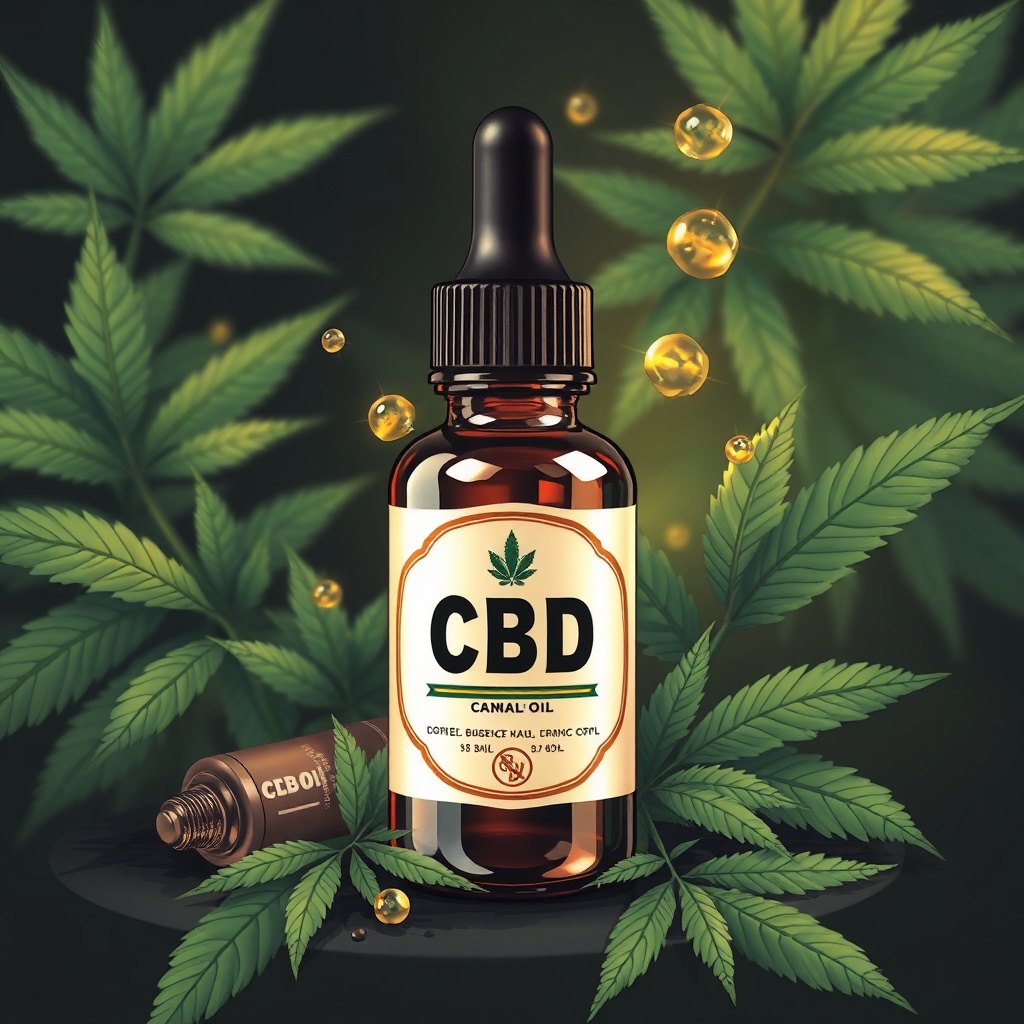
Start low and go slow. Common advice is to begin with a small dose (for example, a few milligrams) and increase gradually until desired effects are achieved. Individual response varies based on body weight, metabolism, product potency, and the condition being addressed. Keep a dosing log to track effects and any side effects.
Safety and interactions
CBD is generally well tolerated but can cause drowsiness, dry mouth, digestive upset, and appetite changes in some people. It can interact with medications metabolized by the liver’s CYP450 enzyme system, including certain blood thinners and anticonvulsants.
If you take prescription medications, consult a healthcare professional before adding CBD, and avoid use during pregnancy or breastfeeding.
Buying tips
– Check for a clear label showing CBD amount per serving and serving size.
– Verify third-party lab testing and batch-specific COAs.
– Prefer products from reputable brands that disclose extraction methods and hemp source.
– Avoid products that make unverified health claims.
Storage and shelf life
Keep CBD oil in a cool, dark place and tightly sealed. Proper storage helps maintain potency and extends shelf life.
Thoughtful use and realistic expectations will help you make the most of CBD oil.
When chosen carefully and used responsibly, it can be a useful addition to a wellness routine for many people.