Marijuana: What to Know Now — Uses, Safety, and Smart Consumption
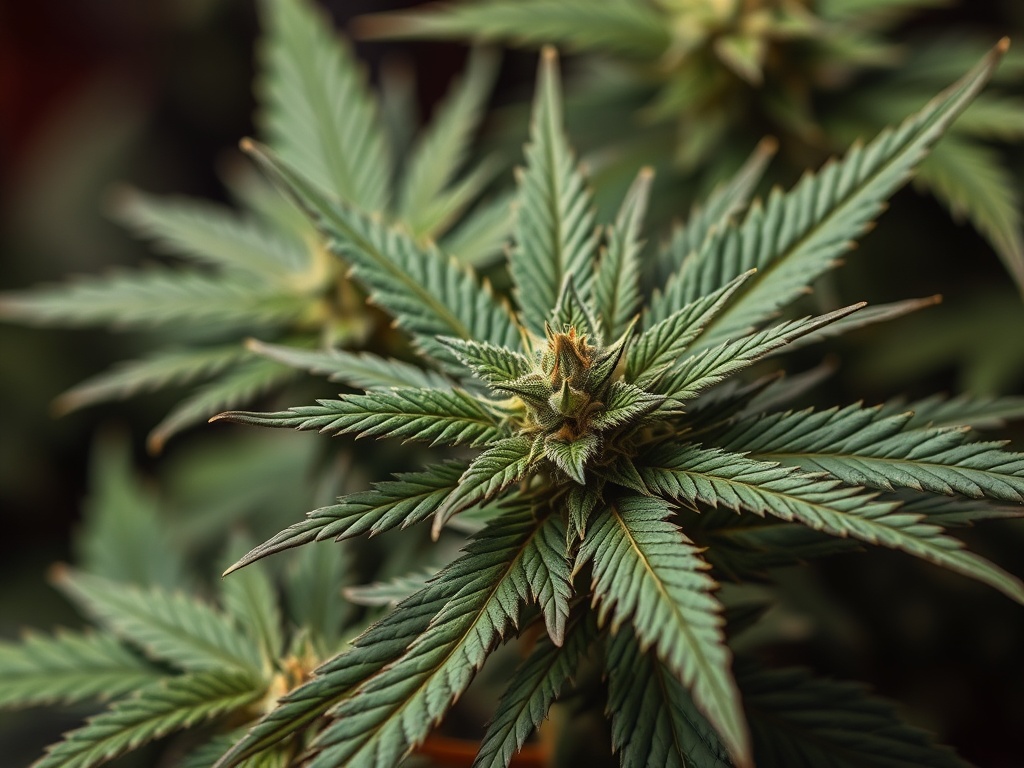
Marijuana remains a fast-evolving topic as medical research, consumer products, and legal frameworks continue to shift. Whether you’re curious about health benefits, curious about new products, or simply want to consume more safely, here’s a practical primer on what matters today.
What’s in the plant
Cannabis contains hundreds of compounds. THC (tetrahydrocannabinol) is the primary psychoactive ingredient that produces a high. CBD (cannabidiol) is non-intoxicating and commonly used for anxiety, sleep, and inflammation support. Interest in minor cannabinoids — like CBG, CBN, and THCV — and terpenes (aromatic compounds that influence flavor and effects) is rising, and many consumers now look for full-spectrum or broad-spectrum products that preserve those natural compounds.
Medical uses and evidence
Medical marijuana is widely used for chronic pain, certain types of spasticity, and nausea associated with medical treatments. Evidence for anxiety, insomnia, and other conditions is promising but mixed; responses vary by individual, formulation, and dose.
Patients should discuss options with a healthcare provider, especially if taking prescription medications, because cannabis can interact with drugs metabolized by the liver’s CYP enzymes and with blood thinners.
Consumption methods and dosing
Popular consumption methods include:
– Smoking and vaporizing: Rapid onset and easy titration, but inhalation carries respiratory risks.
– Edibles: Long-lasting and potent — onset can be delayed, so start low and wait before re-dosing.
– Tinctures and sublinguals: Faster than edibles with controlled dosing.
– Topicals: Localized effects for pain or inflammation without psychoactive effects.
“Start low and go slow” is the guiding rule. For edible products, begin with a small dose and wait several hours before taking more. Microdosing—very small, regular doses—has become popular for those seeking functional benefits without impairment.
Safety, testing, and product quality
Choose lab-tested products with accessible Certificates of Analysis (COAs). Testing confirms potency and screens for contaminants like pesticides, heavy metals, and residual solvents. Avoid unregulated or illicit market products, which can be inconsistent and carry greater risk of contamination.
Vaping-related lung injury highlighted the importance of product source and ingredients. Stick to reputable manufacturers and avoid modified cartridges or black-market additives.
Legalities and workplace considerations
Legal frameworks vary by location. Even where recreational use is permitted, workplace policies and driving laws often still prohibit impairment on the job or behind the wheel. THC can be detected by common drug tests long after use, which may affect employment, so know local rules and employer policies before using.
Special populations and precautions
Children, pregnant or breastfeeding people, and those with a personal or family history of psychosis should avoid recreational cannabis. Keep all products locked away from children and pets; dogs and cats can experience serious toxicity if they ingest concentrated cannabis foods.
Emerging trends
Products are diversifying beyond THC and CBD. Precision dosing, novel delivery systems, and targeted terpene profiles are shaping how people use cannabis for wellness. Home cultivation remains popular where allowed, with growers focusing on organic practices and strain selection.
If considering marijuana for medical or recreational use, research products carefully, consult a knowledgeable healthcare professional when appropriate, and prioritize safety: know your dose, verify testing, and never operate vehicles or heavy machinery while impaired.