Terpenes are the aromatic compounds that give cannabis its wide range of smells and play a key role in how different varieties feel and behave. While cannabinoids like THC and CBD grab headlines, terpenes influence mood, perception, and the overall sensory experience. Understanding terpenes helps consumers choose products that align with desired effects, whether for relaxation, focus, or relief.
What terpenes do
Terpenes are naturally occurring oils found in the flowers, leaves, and stems of cannabis. They evolved to protect the plant from pests and environmental stress, and they’re concentrated in the same resin glands that produce cannabinoids. When consumed, terpenes interact with the nervous system and with cannabinoids, shaping subjective effects through what is commonly called the “entourage effect.” That interaction can amplify or modulate the way THC and CBD are experienced.
Common terpenes and their profiles
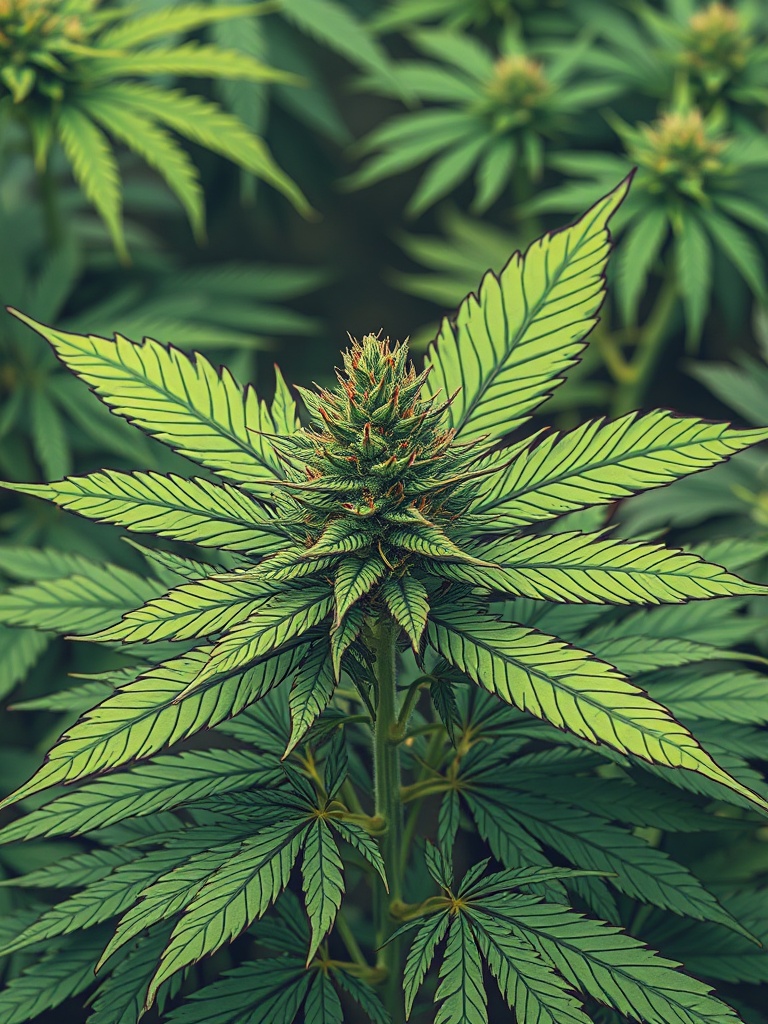
– Myrcene: Earthy, musky, and clove-like.
Often associated with sedative or relaxing effects and commonly found in indica-leaning varieties.
– Limonene: Citrusy and bright.
Linked to elevated mood and stress relief; common in strains that produce an energetic, uplifting feel.
– Pinene: Pine aroma. Can support alertness and short-term memory retention, often associated with clearer-headed effects.
– Linalool: Floral, lavender-like. Tends to promote calm and anti-anxiety effects.
– Caryophyllene: Spicy and peppery.
Unique among terpenes because it binds to cannabinoid receptors and may offer anti-inflammatory benefits.
– Humulene: Woody, earthy, and slightly bitter. May suppress appetite and provide anti-inflammatory properties.
Selecting cannabis by terpene profile
Labels and lab reports increasingly list terpene data.
Look for the primary terpenes on certificates of analysis to match a product’s aroma with the desired outcome. For example, if you want daytime clarity, seek profiles high in pinene and limonene. If sleep or relaxation is the goal, myrcene and linalool are good indicators.
Consumption method matters
Terpenes are volatile and react to heat. Smoking and vaping preserve many terpenes but can alter their balance depending on temperature. Vaporization at lower temperatures tends to retain more delicate aromatics, while high-heat combustion can degrade some compounds. Edibles undergo decarboxylation and digestion, which changes terpene exposure and often delays onset and alters perceived effects.
Safety and quality tips
– Check lab results: Independent testing confirms terpene content and checks for contaminants like pesticides and residual solvents.
– Prefer full-spectrum extracts when seeking the entourage effect; however, broad-spectrum or isolate products may suit those avoiding THC or specific terpenes.
– Beware of added terpenes: Some manufacturers add isolated or synthetic terpenes to create stronger aromas. That’s not inherently unsafe, but transparency about source and purity is important.
– Store properly: Keep cannabis in airtight, light-resistant containers at cool temperatures to preserve terpenes and potency.
Practical approach to dosing
Start low and go slow.
Terpenes can magnify effects, especially when combined with THC. Microdosing and careful journaling help users identify which terpene profiles and dose ranges work best.
Terpenes turn cannabis from a single-note experience into a nuanced palette of flavors and effects.
By paying attention to terpene profiles, lab reports, and consumption methods, consumers can make more informed choices and better tailor their cannabis use to personal goals.
Explore labels and certificates of analysis to find aromas and effects that suit your needs.