THC Explained: What Users Should Know About Effects, Forms, and Safety
What is THC?
THC (tetrahydrocannabinol) is the primary psychoactive compound in cannabis that produces the familiar “high.” It interacts with the body’s endocannabinoid system, binding primarily to CB1 receptors in the brain and nervous system to influence mood, perception, appetite, and pain sensation. Several related molecules—often called THC analogs—exist and are sold in different products; potency and effects can vary significantly between them.
How THC works
THC mimics naturally occurring endocannabinoids and alters neurotransmitter release.
That interaction is responsible for both desired effects (relaxation, euphoria, appetite stimulation) and side effects (anxiety, memory impairment, coordination changes). Onset, intensity, and duration depend on dose, method of consumption, individual tolerance, and metabolism.
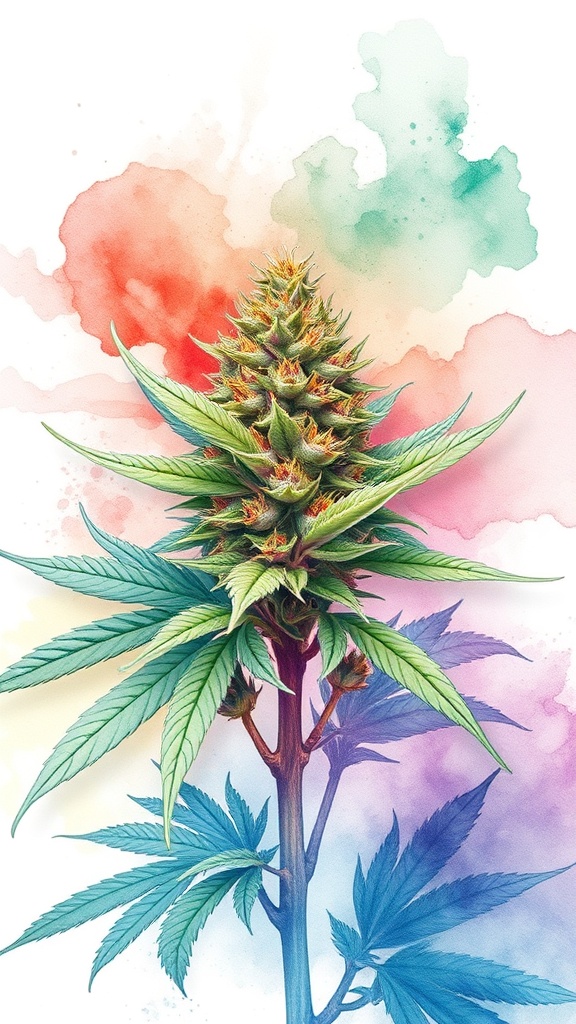
Common consumption methods and what to expect
– Smoking or vaping: Rapid onset (minutes) and shorter duration. Dosage is easier to titrate but inhalation has respiratory risks.
– Edibles: Delayed onset (often one to three hours) with longer, sometimes stronger effects. Start with a low dose and wait at least two hours before considering more.
– Tinctures and sublinguals: Faster onset than edibles, slower than inhalation; useful for more controlled dosing.
– Concentrates (dabs, shatter): Very high potency; best suited only for experienced users due to strong, immediate effects.
– Topicals: Applied to skin for localized relief; typically non-intoxicating.
Dosing and potency tips
– Start low and go slow: Beginners should begin with a very small dose and increase only after effects are understood.
– Know the milligrams: Especially with edibles and tinctures, check the THC milligram amount per serving.
– Consider tolerance: Regular users often develop tolerance and may require higher doses, but increasing dose also raises risks of adverse effects.
– Read labels and buy from reputable sources to ensure accurate potency information.
Safety, risks, and interactions
– Mental health: THC can exacerbate anxiety, paranoia, or psychosis in susceptible individuals. Those with a personal or family history of psychotic disorders should exercise caution and consult a healthcare professional.
– Impaired driving: THC impairs coordination and reaction time; avoid operating vehicles or heavy machinery while impaired.
– Drug interactions: THC can interact with prescription medications, including those metabolized by liver enzymes. Discuss use with a clinician before combining with other drugs.
– Overconsumption: Symptoms such as extreme anxiety, rapid heartbeat, nausea, or disorientation can occur. Stay calm, find a safe environment, hydrate, and seek medical help if severe.
Legal and product considerations
Legal status varies by jurisdiction. Some places regulate cannabis products strictly, others allow only hemp-derived products or specific analogs. Hemp-derived cannabinoids sometimes circulate in legal gray areas, but potency and safety standards may be inconsistent. Purchase from licensed dispensaries and reputable manufacturers when possible.
Drug testing
Standard drug tests often detect THC metabolites, not impairment. Detection windows vary with frequency of use, body composition, and test type. Expect longer detection for chronic use.
Medical uses and research
THC has recognized symptom-relief uses such as appetite stimulation and nausea control in some medical programs, and it’s studied for pain and spasticity management.
Ongoing research continues to refine therapeutic applications and safer delivery methods.
Practical tips for safer use
– Keep products clearly labeled and stored securely away from children and pets.
– Avoid mixing with alcohol or other sedatives.
– If trying a new product or strength, do so in a familiar setting with someone sober nearby.
– Consult a healthcare professional for personalized advice, especially if you have chronic conditions or take other medications.
Understanding THC’s effects, responsible dosing, and product quality helps maximize benefits while minimizing risks. Approach use thoughtfully and prioritize safety.