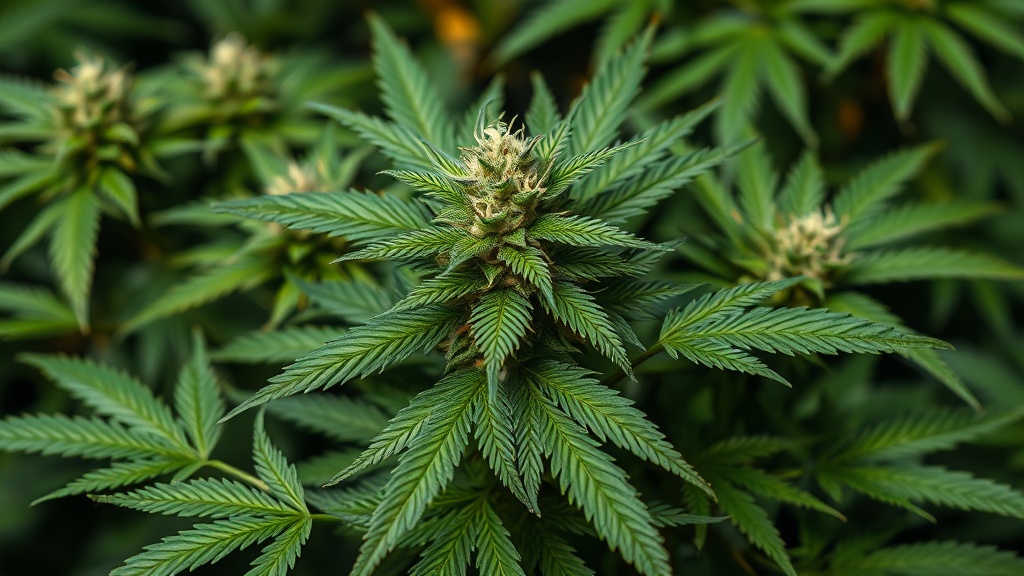
Cannabis has moved from stigma to widespread conversation, touching medicine, wellness, and lifestyle. With an expanding market and more people exploring cannabis for symptom relief, recreation, or creative use, understanding cannabinoids, consumption methods, safety, and legal considerations is essential for making informed choices.
What cannabis contains and how it works
Cannabis plants produce hundreds of compounds, with cannabinoids like THC and CBD attracting the most attention. THC is primarily responsible for psychoactive effects, while CBD tends to be non-intoxicating and is used for its reported calming and anti-inflammatory properties. Other cannabinoids (CBG, CBN) and terpenes influence aroma and may modulate effects in what’s often called the entourage effect. Individual response varies based on biology, tolerance, and product potency.
Common consumption methods
– Smoking and vaping: Fast onset makes dosing easier to titrate, but inhalation can irritate the lungs.
When vaping, only use reputable hardware and tested cartridges.
– Edibles and beverages: Longer, stronger, and more variable effects because the body metabolizes cannabinoids differently when eaten. Start with a low dose and wait several hours before consuming more.
– Tinctures and sublinguals: Placed under the tongue for relatively fast absorption without inhalation.
– Topicals and patches: Used for localized relief without systemic psychoactive effects, depending on formulation.
Safety, dosing and harm-reduction
Start low and go slow. For inexperienced users or those trying a new product, begin with a small dose and allow ample time to assess effects. Avoid mixing cannabis with alcohol or other sedatives. Never drive or operate heavy machinery while impaired. Keep products securely stored away from children and pets; edibles can look like familiar snacks and pose poisoning risks.
Product selection and quality
Choose lab-tested products whenever possible. Reliable testing reports confirm cannabinoid content and test for contaminants such as pesticides, residual solvents, heavy metals, and microbial impurities. Look for clear labeling with cannabinoid concentrations and serving size guidance.
When buying flower, note aroma, appearance, and trusted source rather than relying solely on slang terms like “indica” or “sativa,” which are often oversimplified.
Medical uses and consultation
Cannabis is used by many to manage chronic pain, nausea, sleep issues, and certain seizure disorders. The evidence base varies by condition and cannabinoid—CBD has stronger support for specific seizure disorders, while THC-containing products are often used for pain and nausea.
Discuss cannabis use with a healthcare provider, particularly if taking other medications, to avoid interactions and tailor dosing.
Legal landscape and responsibilities
Legal status varies widely by location. Always check local laws regarding possession, purchase, cultivation, and public consumption. Comply with age restrictions, purchase limits, and regulated-product requirements to reduce legal and health risks.
Storage and shelf life
Store cannabis in a cool, dark, airtight container to preserve potency and terpenes.
Avoid heat and light, which degrade cannabinoids. Properly labeled, sealed products from licensed vendors tend to have the most consistent shelf life.
Choosing cannabis responsibly means balancing potential benefits with safety practices, reliable product selection, and legal awareness.
For personalized advice, consult medical or legal professionals who understand local regulations and your health history.