Marijuana: Practical Guide to Use, Safety, and Medical Benefits
Overview
Marijuana—also known as cannabis—remains a topic of intense interest due to its evolving legal status, expanding medical research, and diverse consumer products. Whether you’re curious about medical applications, recreational options, or responsible use, understanding the basics helps you make safer, more informed choices.
Medical benefits and considerations
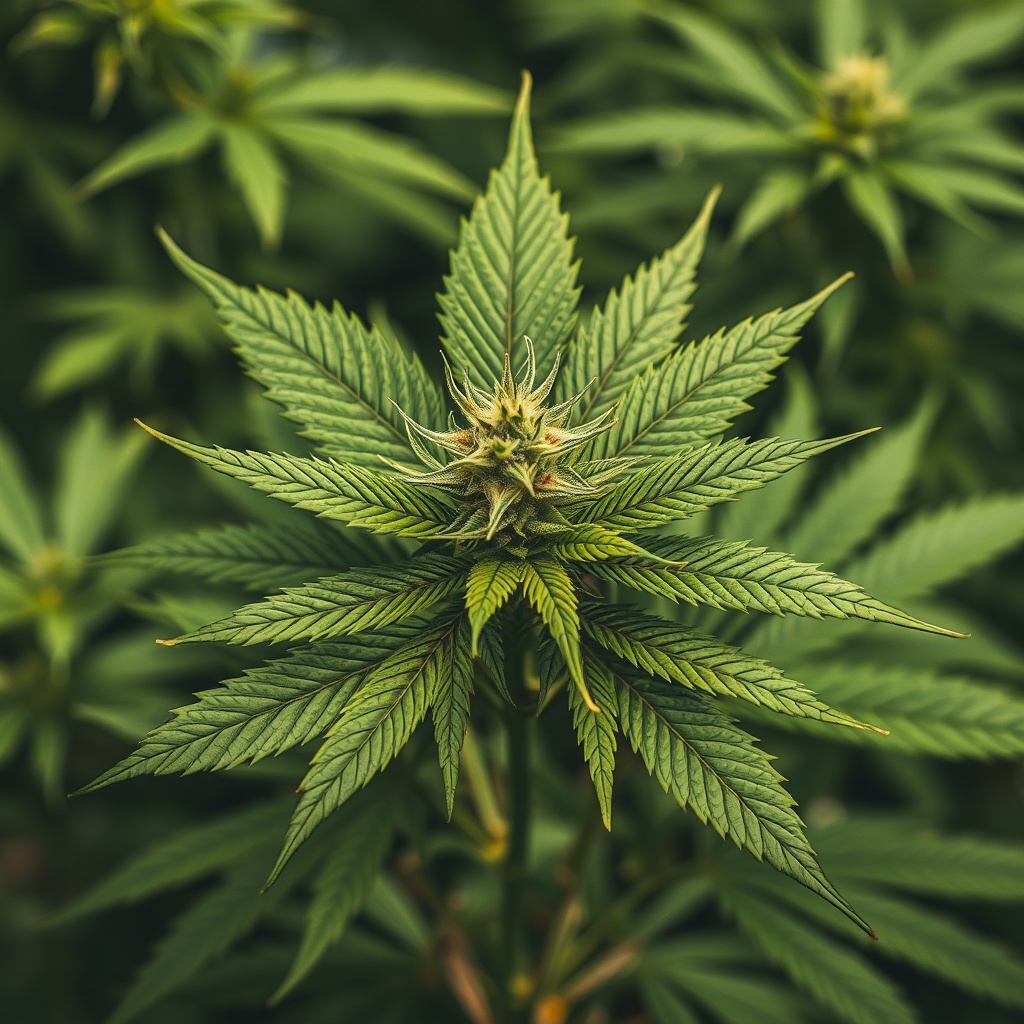
Cannabis contains hundreds of compounds; the most familiar are THC (psychoactive) and CBD (non-intoxicating). Clinical evidence supports cannabis or cannabinoid use for certain conditions such as chronic pain, chemotherapy-induced nausea, and some seizure disorders.
Patient response varies widely, so care should be individualized: working with a healthcare provider can guide appropriate cannabinoid ratios, dosing, and monitoring for interactions with other medications. People with a history of psychosis, cardiovascular disease, or who are pregnant or breastfeeding should approach cannabis cautiously and consult a clinician.
Consumption methods and dosing
Consumption method dramatically influences onset, intensity, and duration of effects.
– Inhalation (smoking, vaping): Fast onset—effects are typically felt within minutes and peak quickly. Ideal for titrating dose, but smoking carries respiratory risks; choose well-regulated vape products or use vaporizers designed for flower to reduce exposure to combustion byproducts.
– Edibles: Slower onset—effects can take one to three hours and last much longer. Start with a low dose (microdosing from 1–2.5 mg of THC for beginners) and wait ample time before increasing. Overconsumption is a common source of negative experiences.
– Tinctures and sublinguals: Faster than edibles but slower than inhalation; useful for controlled dosing.
– Topicals: Non-intoxicating when formulated without systemic-penetrating cannabinoids; useful for localized relief of pain or inflammation.
Safety, legality, and workplace considerations
Legal frameworks vary widely; many regions allow medical use while adult recreational access is permitted in an increasing number of jurisdictions. Check local laws and employer policies—workplace drug testing and impairment policies often remain strict. Impairment affects coordination, reaction time, and decision-making—operate vehicles and heavy machinery only once fully sober.
Keep cannabis locked and out of reach of children and pets; accidental ingestion, especially of edibles, can be dangerous.
Product quality and labeling
Look for products that provide clear cannabinoid profiles (THC/CBD content), third-party lab testing, and transparent ingredient lists. Contaminants such as pesticides, heavy metals, and residual solvents are potential risks in poorly regulated products. Reliable dispensaries or licensed retailers typically provide lab reports and staff who can explain product differences.
Storage and potency
Store flower in airtight, opaque containers in a cool, dark, dry place to preserve terpenes and cannabinoids. Edibles should follow manufacturer storage instructions—improper storage can degrade potency and safety. Pay attention to potency changes over time and adjust dosing if you suspect product strength has shifted.
Practical tips
– Start low and go slow; adjust incrementally.
– Prefer tested, labeled products from reputable sources.
– Avoid mixing cannabis with alcohol or sedatives.
– Track effects, dose, and timing to find what works.
– Seek medical advice for chronic conditions or concurrent medications.
Key takeaways: informed, cautious use maximizes benefits while minimizing risks. Approaching cannabis with attention to dosing, product quality, and personal health factors leads to safer, more predictable outcomes.