CBD Oil: What to Know Before You Buy or Use
CBD oil continues to attract attention for its potential wellness benefits, wide product variety, and evolving legal landscape.
Whether considering a tincture for stress, a topical for sore muscles, or a capsule for sleep support, understanding product types, safety, dosing, and quality markers helps make smarter choices.
What CBD oil actually is
CBD (cannabidiol) is a non-intoxicating compound found in hemp and cannabis plants.
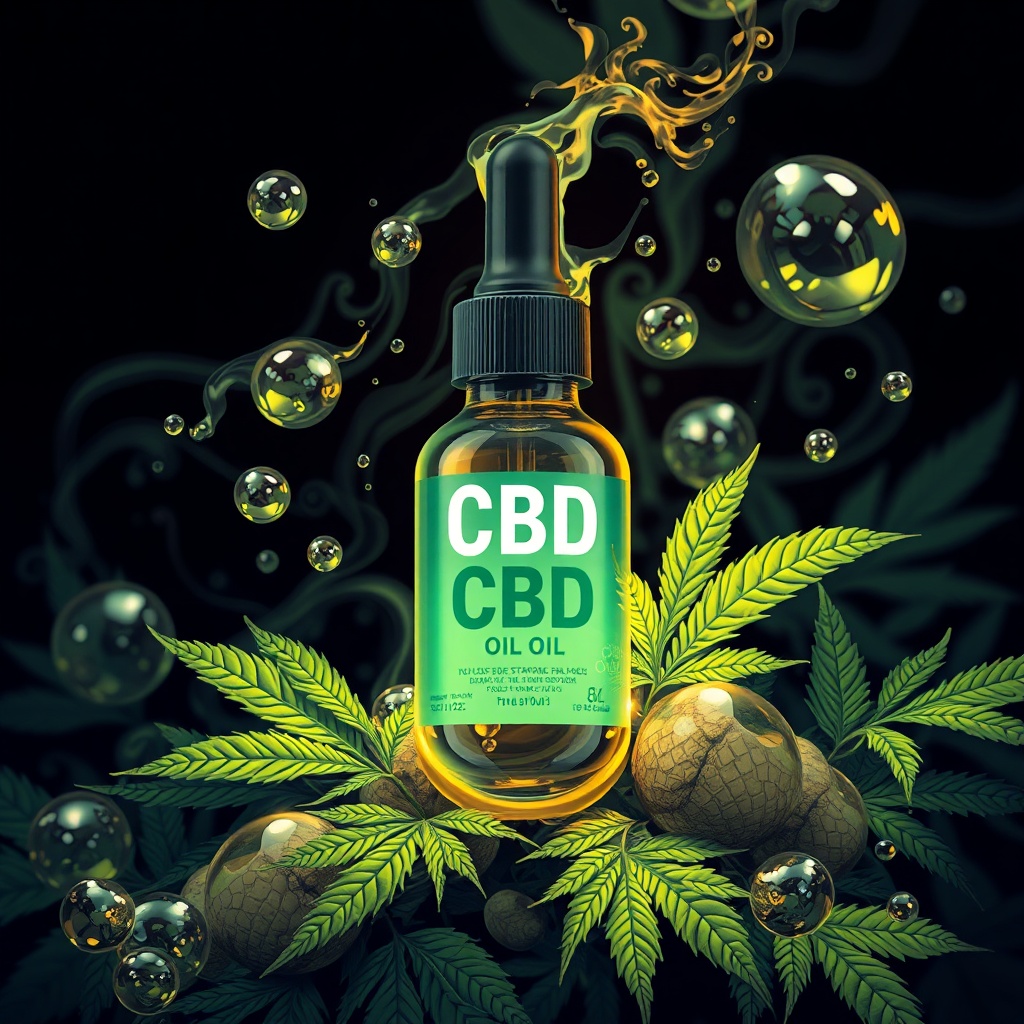
CBD oil typically refers to a concentrated extract blended with a carrier oil such as MCT, hemp seed, or olive oil. Different formulations aim to deliver CBD in ways that match lifestyle and symptom goals.
Types of CBD products
– Full-spectrum: Contains CBD plus other plant compounds, including trace amounts of THC and minor cannabinoids. The combined compounds may offer an “entourage effect,” but small THC content can show up on drug tests.
– Broad-spectrum: Includes CBD and other non-THC cannabinoids and terpenes, offering some entourage benefits without detectable THC.
– Isolate: Pure CBD with no other cannabinoids or terpenes. Often chosen by those worried about THC or drug testing.
Forms and onset times
– Tinctures (sublingual): Placed under the tongue for faster absorption than edibles; onset often within minutes to an hour.
– Capsules and edibles: Convenient, discreet, but slower onset and variable bioavailability due to digestion.
– Vapes: Fastest onset but carry respiratory risks and should be approached with caution.
– Topicals: Lotions and balms act locally and are often used for localized discomfort or skin concerns.
Safety, side effects, and interactions
Most people tolerate CBD well, but side effects can include drowsiness, dry mouth, digestive upset, and changes in appetite.
CBD can interact with medications metabolized by liver enzymes (CYP450 system), which may change how certain drugs are processed — notably blood thinners and some anti-seizure medicines.
For anyone taking prescription medications, checking with a healthcare professional before starting CBD is essential.
Dosing guidance
There’s no one-size-fits-all dose. A prudent approach is to “start low and go slow”: begin with a small amount and increase gradually while monitoring effects. Product labels should state CBD concentration per serving to help with consistent dosing.
When using for specific medical conditions, consult a clinician for tailored guidance.
Choosing quality products
With the market expanding rapidly, product quality varies.
Look for these quality indicators:
– Third-party lab testing and an accessible Certificate of Analysis (COA) that verifies CBD and THC levels and screens for contaminants.
– Clear labeling with CBD content per unit, batch number, and extraction method.
– Reputable extraction methods (like CO₂ extraction) and transparent manufacturing practices.
– Reviews from verified buyers and brands that follow Good Manufacturing Practices (GMP).
Legal considerations
Legal status differs by jurisdiction and by whether a product is hemp-derived or cannabis-derived.
Hemp-derived CBD products often occupy a different regulatory category than cannabis flower products, but state and local laws vary. It’s important to verify local regulations and workplace drug-testing policies before using CBD.
Final thoughts
CBD oil offers diverse product options for people exploring natural approaches to wellness. Prioritizing product quality, understanding potential interactions and side effects, and consulting a healthcare professional can improve safety and results. Careful selection and informed use are the best ways to navigate the crowded CBD market.