Cannabis has moved from fringe culture into mainstream conversation, and understanding how to choose and use products safely can make a big difference in outcomes.
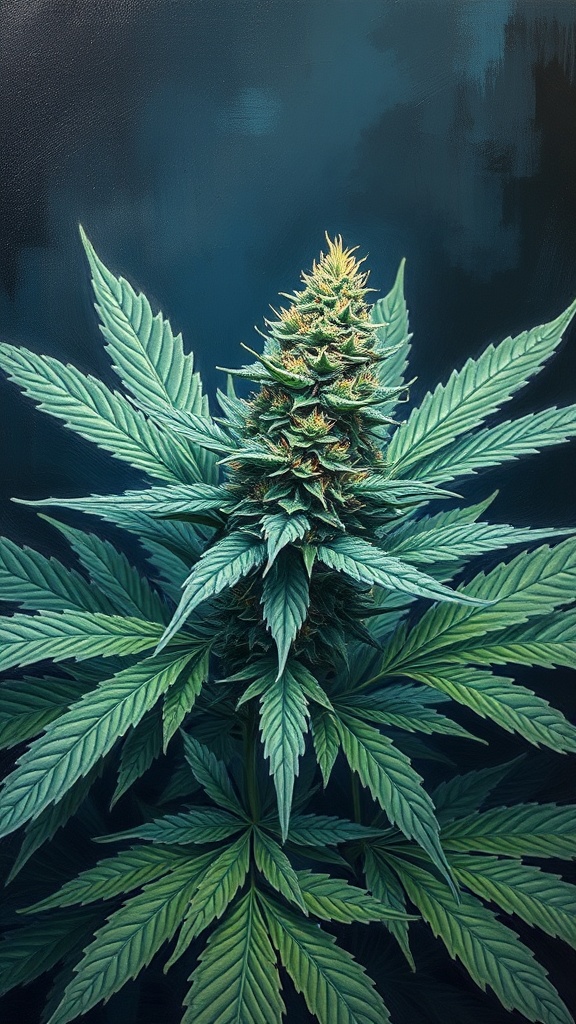
Whether you’re curious about therapeutic benefits, recreational options, or the latest product trends, a clear grasp of cannabinoids, terpenes, consumption methods, dosing, and safety will help you make informed decisions.
Cannabinoids and terpenes: what they do
– THC is the primary psychoactive compound that produces euphoria and impairment at higher doses.
– CBD is non-intoxicating for most people and is often sought for potential relief from discomfort, stress, and sleep difficulties.
– Other cannabinoids like CBG, CBN, and THCV are gaining attention for distinct effects that may support focus, recovery, or appetite regulation.
– Terpenes—aromatic oils such as myrcene, limonene, and pinene—contribute to aroma and may subtly influence effect profiles through the entourage effect.
Product labels that list dominant terpenes help set expectations for flavor and potential impact.
Choosing the right product
– Full-spectrum vs broad-spectrum vs isolate: Full-spectrum contains a range of cannabinoids and terpenes, broad-spectrum removes THC while preserving other compounds, and isolates are single cannabinoids (like pure CBD). Choose based on desired effects and any tolerance for THC.
– Look for third-party lab reports (Certificates of Analysis) to confirm potency, verify absence of contaminants, and ensure accurate dosing. Reliable suppliers make COAs easy to access.
– Consider product form—flower, pre-rolls, vape cartridges, tinctures, edibles, topicals—based on desired onset speed and duration.
Delivery methods and timing
– Inhalation (smoking or vaping) produces rapid onset and shorter duration, making it easier to titrate doses. Ideal for acute symptom relief or when immediate effect is desired.
– Edibles and capsules have a delayed onset and longer-lasting effects; onset can take from under an hour to several hours depending on metabolism and whether taken with food.
Start with low doses and wait ample time before redosing.
– Sublingual tinctures offer faster onset than edibles but slower than inhalation. Topicals provide localized relief without systemic intoxication for many users.
Dosing strategies and safety
– “Start low and go slow” remains a practical rule, especially for edibles and novel cannabinoids. Microdosing—using very small amounts to achieve subtle functional benefits—is increasingly popular for daytime use.
– Be mindful of interactions: cannabis can alter the metabolism of some prescription medications via the liver’s CYP450 enzymes. Check with a healthcare professional before combining cannabis with other treatments.
– Avoid combining cannabis with alcohol or operating vehicles and heavy machinery while impaired. Impairment can be subtle but dangerous.
Storage and legal considerations
– Store products in a cool, dark place away from children and pets. Proper storage preserves potency and terpene profiles.
– Stay informed about local legal requirements and purchase from regulated sources when available. Regulated markets typically offer stricter testing and labeling standards.
Choosing quality and managing expectations
– Prioritize transparency—clear labeling, accessible lab reports, and reputable suppliers. Manage expectations about effects: individual response varies widely based on tolerance, metabolism, and product chemistry. For medical concerns or complex medication regimens, seek guidance from a healthcare professional experienced with cannabinoid therapies.
This balanced approach—knowing product chemistry, selecting appropriate delivery methods, and practicing responsible dosing—helps users navigate cannabis with greater confidence and safety.