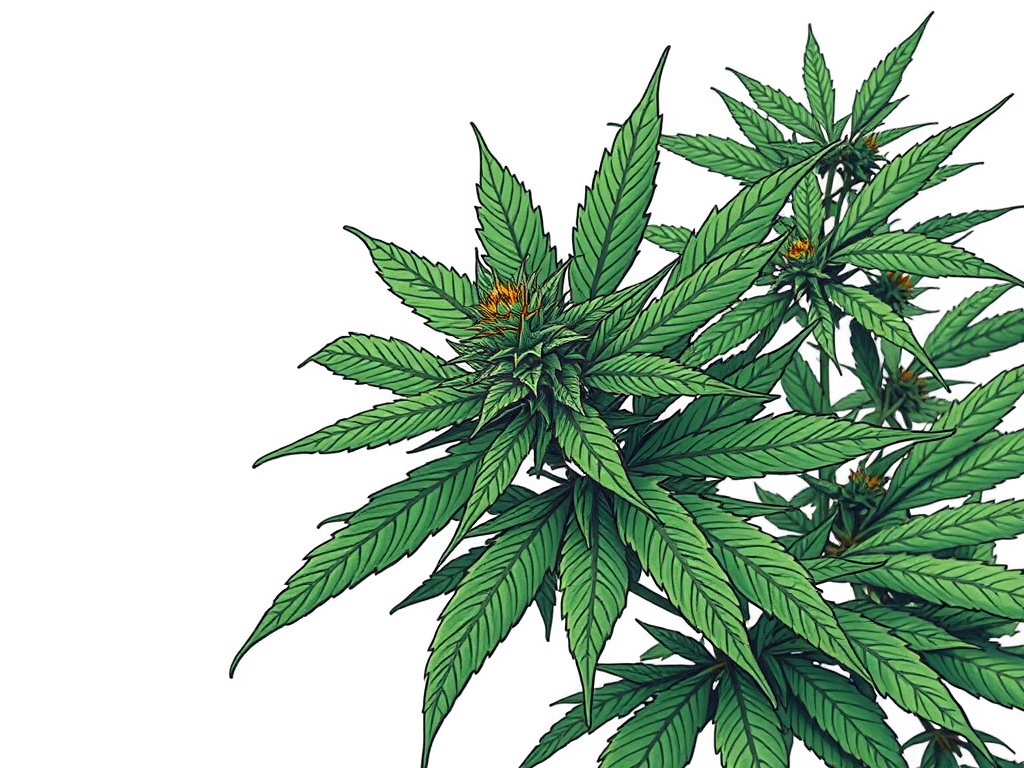
Microdosing cannabis is attracting attention as a way to get subtle therapeutic or creative benefits without the strong intoxication associated with higher doses. For people seeking improved focus, reduced anxiety, or gentle pain relief while remaining functional, microdosing can be a practical strategy when approached carefully.
What microdosing means
Microdosing involves taking very small amounts of cannabis—typically low-milligram doses of THC alone or paired with CBD—several times per day or as needed. The goal is a steady, low-level effect that supports daily activities rather than a full psychoactive experience.
Potential benefits
– Anxiety and mood: Many users report reduced baseline anxiety and improved mood at low doses, with less sedation or cognitive impairment than standard recreational doses.
– Focus and creativity: Some find subtle boosts in concentration and divergent thinking that help creative work.
– Pain and inflammation: Low doses can ease chronic discomfort for some people, often when combined with CBD’s anti-inflammatory properties.
– Sleep and stress resilience: Microdosing earlier in the day may reduce stress without impairing nighttime sleep; timing matters.
Methods and dosage guidance
– Tinctures and sublingual oils: Best for precise control. Start small—commonly around 1–2.5 mg of THC per dose—and wait 15–45 minutes to gauge effects before adjusting.
– Vaporization of flower or concentrates: Offers rapid onset and easy microdosing when using a low-THC product and taking very small inhalations.
– Edibles: Harder to microdose because of delayed onset and variable absorption. If using edibles, choose low-dose products and wait at least a couple of hours before taking more.
– CBD-first approach: Pairing small amounts of THC with higher CBD ratios can blunt intoxication and smooth effects.
Safety considerations
– Individual variability: Tolerance, body chemistry, and genetics influence response. What’s micro for one person may be strong for another.
– Mental health risks: Those with personal or family histories of psychosis or certain mood disorders should avoid THC or consult a healthcare provider before trying microdosing.
– Drug interactions: Cannabis compounds can interact with prescription medications, especially those metabolized by liver enzymes. Check with a clinician or pharmacist if you take other drugs.
– Workplace and legal implications: THC metabolites can accumulate and trigger drug tests even at low doses. Confirm workplace policies and local regulations before using cannabis.
– Quality and testing: Use products with third-party lab results (COAs) that confirm cannabinoid potency and absence of contaminants like pesticides and heavy metals.
Practical tips for success
– Start low and go slow: Begin with the smallest effective dose and keep a log of dose, timing, and effects.
– Use consistent products: Switching products frequently makes it harder to learn your ideal dose.
– Time dosing to needs: For midday focus, dose earlier; for sleep support, avoid dosing too close to bedtime unless the product is specifically for that use.
– Store safely: Keep products in childproof containers and out of reach of children and pets.
Evidence and expectations
A growing body of anecdotal reports and preliminary studies point to promising applications for microdosing, but responses are individual and research is still developing. If considering microdosing for medical reasons, consult a healthcare professional familiar with cannabis therapeutics to tailor a plan that balances benefits and risks.