CBD oil has moved from niche wellness shelves to mainstream conversation, but understanding what it is, how it works, and how to choose a safe product is essential before buying. This guide covers practical, evidence-based points to help you make informed decisions.
What CBD oil is and how it works
CBD (cannabidiol) is a non-intoxicating compound found in cannabis and hemp plants.
Unlike THC, CBD doesn’t produce a “high.” It interacts with the body’s endocannabinoid system, a network involved in regulating sleep, mood, pain, appetite, and immune response. Research indicates CBD may help with anxiety, sleep disturbances, and certain pain conditions, and a prescription form of CBD is approved for specific seizure disorders. More clinical study is ongoing to clarify effective uses and dosing.
Product types and formats
CBD is available in many formats:
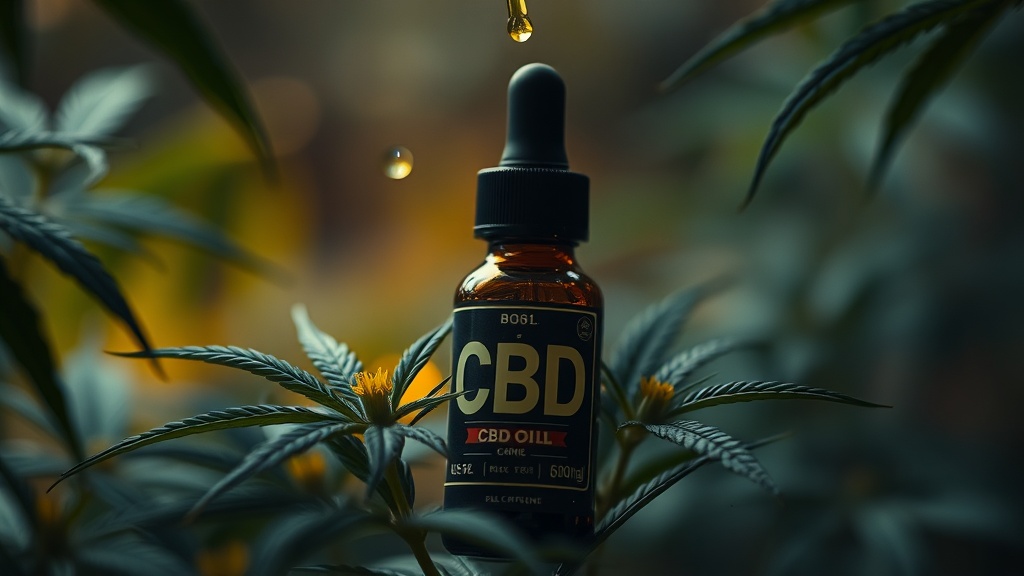
– Tinctures/oils: Taken sublingually for relatively fast absorption.
– Capsules and softgels: Convenient, consistent dosing for daily use.
– Edibles and gummies: Easier dosing but slower onset due to digestion.
– Vapes: Rapid onset but carry higher risk if additives are present.
– Topicals: Creams and balms applied directly to the skin for localized relief.
Full-spectrum vs broad-spectrum vs isolate
– Full-spectrum contains CBD plus other cannabinoids and trace THC, offering the “entourage effect,” which may enhance benefits.
– Broad-spectrum removes THC but retains other plant compounds.
– Isolate is pure CBD with no other cannabinoids or terpenes. Choice depends on sensitivity to THC, desired effects, and drug testing concerns.
Extraction and quality
Extraction method affects purity.
CO2 extraction is widely considered a clean, efficient method that preserves cannabinoids and terpenes without harmful residues. Ethanol extraction is also common but can carry solvent traces if not properly purified. Always look for products with third-party lab reports (Certificates of Analysis, COAs) that confirm cannabinoid content and screen for pesticides, heavy metals, and residual solvents.
Safety, dosing, and interactions
Start low and go slow: begin with a low dose and increase gradually until you find the minimum effective dose. Typical starting suggestions are small amounts taken once or twice daily, adjusting based on effect and tolerance.
CBD can interact with medications metabolized by cytochrome P450 enzymes, including certain blood thinners and anti-seizure drugs. Consult a healthcare provider if you take prescription medications, are pregnant or breastfeeding, or have liver conditions. Common side effects may include drowsiness, dry mouth, and gastrointestinal discomfort.
Legal and purchasing considerations
Legality varies by jurisdiction and is evolving. Hemp-derived CBD with low THC is legally available in many areas, but product rules and labeling standards differ. Buy from reputable companies that provide transparent lab testing and clear ingredient lists. Beware of products that make sweeping health claims—regulated products will avoid unverified therapeutic promises.
Storage and shelf life
Store CBD oil in a cool, dark place away from direct sunlight to preserve potency. Tinctures and oils generally last several months to a year when stored properly; check COAs for manufacturing dates if available.
Practical tips for buying
– Verify third-party lab testing (COAs) and read them.
– Prefer CO2-extracted products when possible.
– Choose the formulation that matches your needs (fast relief vs. convenience).
– Start with a low dose and track effects over several days.
– Consult a clinician if you take other medications.
CBD oil offers potential benefits for a range of wellness goals, but product quality, correct dosing, and medical guidance make the difference between a helpful supplement and wasted money. Careful selection and responsible use help maximize benefits while minimizing risk.