CBD oil has moved from niche wellness shops into mainstream conversations about natural health. Extracted from hemp plants, this non-intoxicating compound is used in tinctures, capsules, topicals, and edibles. Interest continues because research and real-world experience suggest potential benefits, but clear, safe use depends on quality, dosing, and awareness of interactions.
What CBD oil is and how it’s made
CBD (cannabidiol) is one of many cannabinoids found in hemp and cannabis. Hemp-derived CBD oil typically contains only trace amounts of THC, the psychoactive compound that produces a “high.” Extraction methods matter: CO2 extraction is widely regarded as the cleanest and most efficient technique, while solvent-based extractions can leave residues if not properly refined. Look for products that clearly describe extraction methods and provide lab verification.
Types of CBD oil
– Full-spectrum: contains CBD plus a range of other cannabinoids, terpenes, and trace THC. Many users prefer it for the “entourage effect,” where compounds work synergistically.
– Broad-spectrum: includes multiple cannabinoids and terpenes but is processed to remove detectable THC.
– CBD isolate: pure CBD with no other cannabinoids or terpenes; good for people who want to avoid THC entirely.
What the evidence says
Research indicates CBD may offer benefits in certain contexts, especially for reducing seizure activity in specific disorders and for easing symptoms like occasional sleeplessness or stress in some users. Clinical evidence for other uses is still developing, and responses vary by individual. It’s best to approach claims with healthy skepticism and prioritize products backed by transparent testing rather than marketing.
Safety, side effects, and interactions
CBD is generally well tolerated, but common side effects can include dry mouth, drowsiness, dizziness, changes in appetite, and digestive upset. CBD can interact with medications metabolized by liver enzymes (CYP450 system), including certain blood thinners and sedatives. If you take prescription medications, consult a healthcare professional before starting CBD.
How to choose a quality CBD oil
– Third-party lab testing: Always review a Certificate of Analysis (COA) showing cannabinoids, potency, and absence of contaminants such as pesticides, heavy metals, and residual solvents.
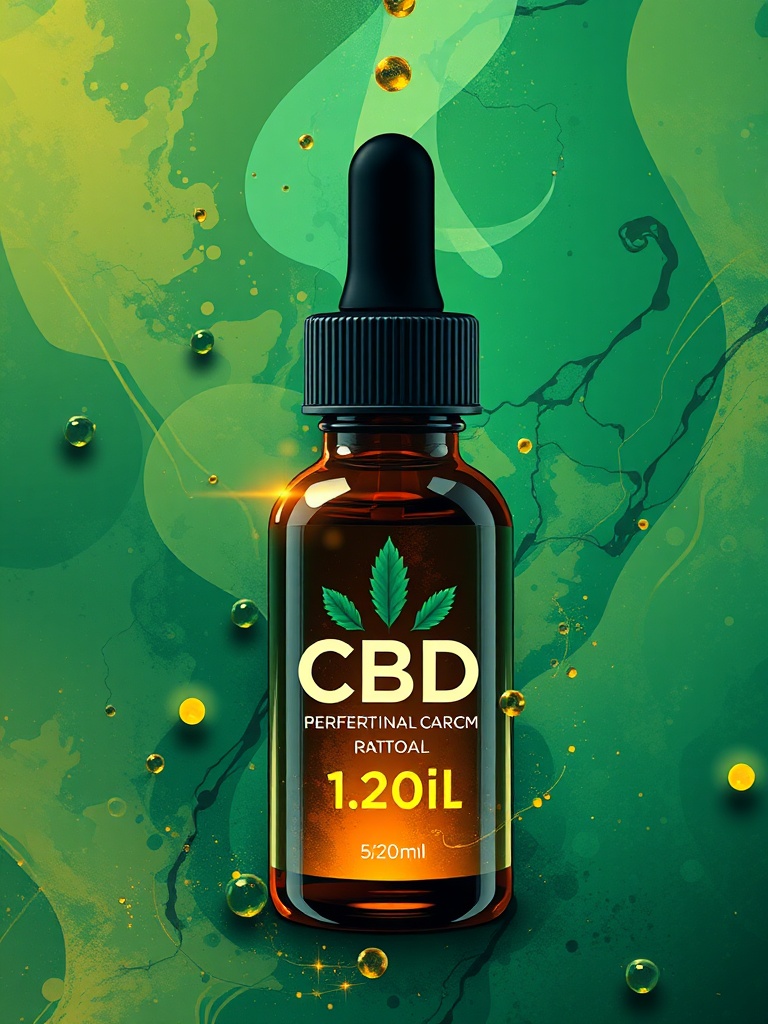
– Clear labeling: Potency per serving, total CBD content, ingredients, and recommended use should be on the label.
– Source transparency: Brands that disclose hemp origin, farming practices, and extraction methods tend to be more reliable.
– Manufacturer reputation: Look for brands with consistent customer reviews, good return policies, and responsive customer service.
Dosing and usage tips
Start low and go slow.
Begin with a small dose and increase gradually while tracking effects.
Tinctures allow precise dosing, while capsules offer convenience. Topicals are useful for localized relief without systemic effects. Avoid vaping unless you understand the risks associated with inhalation products and choose reputable formulations.
Legal and regulatory notes
Legal status varies by jurisdiction.
Hemp-derived products with minimal THC are widely available in many places, but regulations and enforcement differ. Over-the-counter CBD products are not uniformly regulated, so product quality can vary. Prescription CBD medications are available for certain medical conditions under medical supervision.
Practical storage and handling
Store CBD oil in a cool, dark place away from heat and direct sunlight to preserve potency. Follow manufacturer guidance on shelf life and use-by dates.
When used thoughtfully—choosing verified products, starting with low doses, and checking for interactions—CBD oil can be a practical option for people exploring plant-based approaches to wellness. Always discuss new supplements with a healthcare professional, especially when combining with other medications.