CBD oil keeps drawing attention from people looking for natural approaches to pain, sleep, anxiety, and overall wellness. Understanding what it can—and can’t—do helps you choose products that are safe, effective, and worth the price.
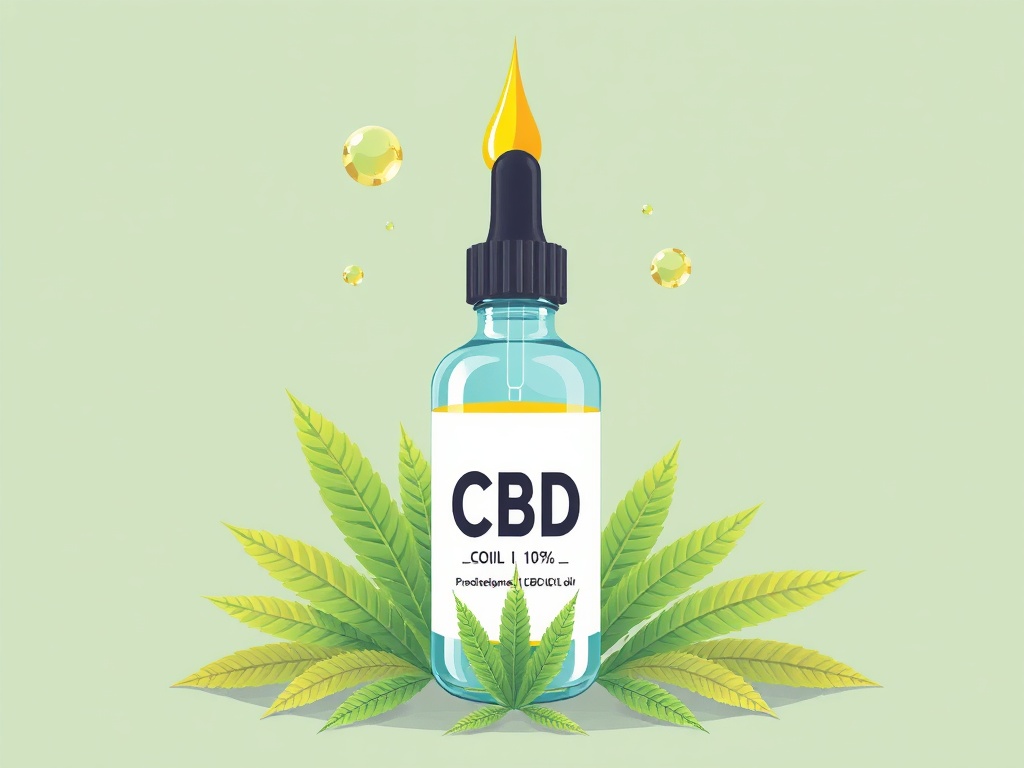
What CBD oil is
CBD (cannabidiol) is a non-intoxicating compound found in hemp and cannabis plants. CBD oil is made by extracting cannabidiol and suspending it in a carrier oil such as MCT, hemp seed, or olive oil. Products come as full-spectrum (contains other cannabinoids and trace THC), broad-spectrum (other cannabinoids without detectable THC), or isolate (pure CBD).
What the evidence says
Research shows promising results for certain uses, especially for specific seizure disorders where a prescription CBD medication is approved. Emerging studies and user reports suggest benefits for chronic pain, anxiety, and sleep, but evidence varies in quality and consistency. Clinical trials and real-world data are growing, yet many claims exceed what current research can firmly support.
Safety, side effects, and interactions
CBD is generally well tolerated, but it can cause side effects such as drowsiness, dry mouth, nausea, changes in appetite, and, in some cases, elevated liver enzymes. CBD can interact with medications metabolized by the cytochrome P450 enzyme system—examples include some blood thinners and certain anticonvulsants—so checking with a healthcare professional is important before starting CBD, especially if you’re on prescription drugs, pregnant, breastfeeding, or have liver disease.
How to choose quality CBD oil
– Third-party lab testing: Look for a Certificate of Analysis (COA) showing cannabinoid potency and screening for pesticides, heavy metals, and residual solvents.
– Clear labeling: Check the CBD amount per serving, serving size, and whether the product is full-spectrum, broad-spectrum, or an isolate.
– Extraction method: CO2 extraction is widely regarded as a clean method that preserves cannabinoids without solvent residues.
– Transparent brand practices: Reputable companies provide sourcing details, manufacturing practices, and accessible lab reports.
Forms and how to use them
– Tinctures/sublingual drops: Fast absorption under the tongue; useful for flexible dosing.
– Capsules and edibles: Convenient and consistent dosing, slower onset due to digestion.
– Vaping: Rapid effect but carries respiratory risks; avoid if lung health is a concern.
– Topicals: Creams, balms, and transdermal patches target localized discomfort and skin conditions without systemic effects.
Dosing guidance
Start low and go slow. Begin with a low dose, observe effects for several days, then gradually increase until you reach the desired outcome. Track your dose, timing, and any effects so you can fine-tune what works for you.
Legal and practical tips
Hemp-derived CBD products that meet federal THC limits are widely available, but state regulations and product quality vary. Keep receipts and lab reports, and buy from brands with clear return policies and customer support.
Making a sensible choice
CBD oil offers potential benefits for several common concerns, but it’s not a universal remedy. Prioritize verified product quality, realistic expectations, and medical guidance when needed. If you decide to try CBD, start with a reputable product, track your results, and consult a healthcare professional for personalized advice.