THC: What to Know About Effects, Safety, and Smarter Use
Tetrahydrocannabinol (THC) is the primary psychoactive compound in cannabis that produces the “high” many users seek. Understanding how THC works, the different ways to consume it, and how to reduce risk can make cannabis experiences safer and more predictable.
How THC works
THC binds to cannabinoid receptors in the brain and body, which are part of the endocannabinoid system that helps regulate mood, appetite, pain, and memory. This interaction explains THC’s effects—euphoria, altered perception, increased appetite, and, at higher doses, anxiety or paranoia. Individual response varies widely based on genetics, tolerance, and prior experience.
Common forms and onset times
– Smoking or vaping: Fast onset—effects usually start within minutes and peak within 15–30 minutes.
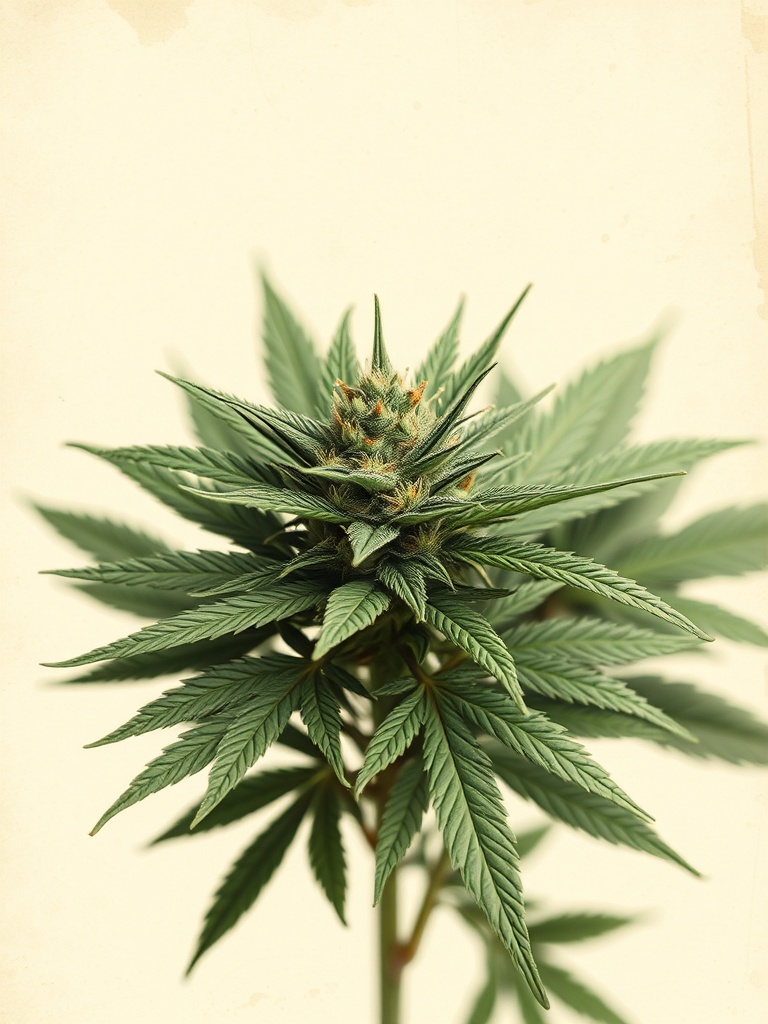
Duration tends to be a few hours.
– Edibles: Slower onset—effects can take 30 minutes to several hours to appear because THC is metabolized in the liver. Effects last longer and can be more intense; dosing caution is critical.
– Tinctures and sublinguals: Faster than edibles but slower than inhalation; placed under the tongue for quicker absorption.
– Concentrates and dabs: Very high potency. Onset is rapid and effects are strong; not recommended for inexperienced users.
– Topicals: Applied to skin for localized relief; typically non-psychoactive unless formulated to penetrate systemically.
Dosing and harm-reduction tips
Start low and go slow—this is the safest approach, especially with edibles. A low dose for an edible is commonly considered to be a single-digit milligram amount of THC. Wait sufficiently long before taking more; impatience leads to overconsumption. Consider these practical tips:
– Use small, measured doses and avoid homemade edibles unless potency is known.
– If trying a new product, choose 1–2 mg for microdosing or 5 mg for light recreational effects.
– Avoid mixing THC with alcohol or other sedatives.
– If anxiety or panic occurs, find a calm, familiar setting, hydrate, and practice deep breathing; effects will pass.
Potency and product quality
Lab-tested products with clear cannabinoid profiles are safer. Potency has increased with concentrates and high-THC strains, which raises the risk of adverse reactions and dependency. Beware of unregulated goods or synthetic cannabinoids, which can be far more toxic and unpredictable.
Therapeutic uses and interactions
THC has documented uses for nausea relief, appetite stimulation, and certain types of pain. It may interact with medications metabolized by liver enzymes; discuss cannabis use with a healthcare provider if you take prescription drugs, especially blood thinners or sedatives.
Safety, impairment, and workplace issues
THC impairs reaction time and judgment; avoid driving or operating heavy machinery while under the influence. Standard drug tests often detect THC metabolites long after intoxication has ended—this means a negative impairment test is not guaranteed by a negative symptom report. Workplace policies vary widely; understand local rules before using THC.
Staying informed
Regulations and product availability are evolving, and testing standards are improving. Prioritize licensed sources and clear labeling. Try lower-potency options and keep usage consistent if monitoring effects for therapeutic purposes.
THC can offer enjoyable or therapeutic effects when used responsibly. Prioritizing measured dosing, product quality, and situational awareness reduces risk and supports better outcomes from cannabis use.