Marijuana: Practical Guidance for Safe Use, Buying, and Understanding Products
Marijuana remains a high-interest topic for medical users, recreational consumers, and entrepreneurs. Whether you’re curious about therapeutic benefits, exploring new product formats, or navigating changing laws, practical information helps make safer, smarter choices.
What to know about products and potency
Cannabis products vary widely in potency and composition. THC is the primary psychoactive compound that produces intoxication; CBD is non-intoxicating and commonly used for symptom relief.
Many commercial products display THC and CBD content on the label, but potency alone doesn’t predict experience. Lab-tested products from licensed retailers reduce uncertainty by confirming cannabinoid levels and screening for contaminants such as pesticides, heavy metals, and residual solvents.
Consumption methods and expected effects
– Smoking/flower: Fast onset (minutes), shorter duration. Effects can be easier to titrate because onset is rapid.
– Vaping: Similar onset to smoking but depends on device and temperature. Quality of the device and proper maintenance matter for safety.
– Edibles: Slower onset (30 minutes to several hours) and longer duration.
Start with a low dose and wait ample time before consuming more.
– Tinctures/sublinguals: Faster than edibles but slower than inhalation, useful for microdosing and more precise control.
– Topicals: Non-intoxicating for most users, used for localized relief like muscle soreness or skin conditions.
Dosing advice: start low and go slow
A cautious dosing strategy is essential, especially for newcomers and when trying new product formats. Begin with a low dose, wait to feel effects for the full onset window of the product type, and increase slowly if needed. Consistent dosing practices help reduce unwanted experiences like anxiety or impaired coordination.
Safety, interactions, and harm reduction
– Avoid combining cannabis with alcohol or sedatives, which can amplify impairment.
– Discuss cannabis use with healthcare providers, especially when on prescription medications; cannabinoids can interact with other drugs via liver enzymes.
– Never drive or operate heavy machinery while impaired.
– Store all cannabis products securely and out of reach of children and pets; edibles in particular can look like regular food.
– Prefer tested products from reputable sources to minimize exposure to contaminants.
Medical use and evidence
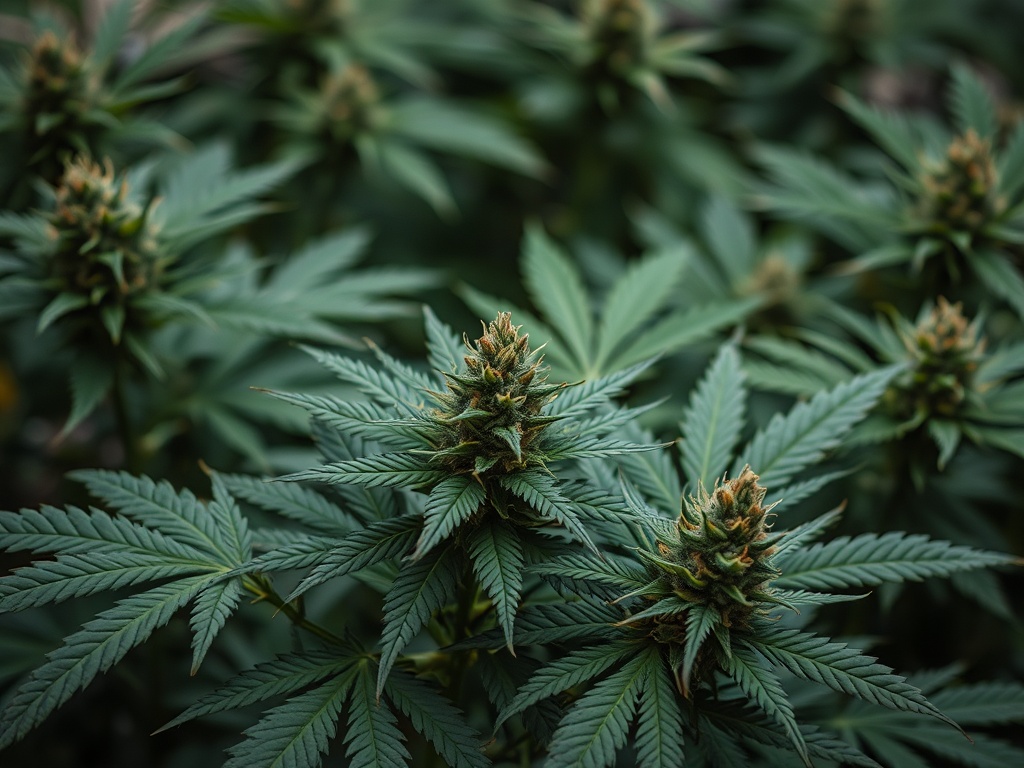
Evidence supports cannabis and certain cannabinoids for symptom relief in conditions like chronic pain, nausea related to chemotherapy, and some seizure disorders. The strength of evidence varies by condition and product. Medical decisions should be guided by consultation with a qualified clinician who can weigh benefits, risks, and alternative treatments.
Legal and marketplace realities
Regulation varies widely by jurisdiction, affecting availability, product types, possession limits, and home cultivation rules. Many consumers find licensed markets offer better safety assurances than unregulated sources. For entrepreneurs, regulatory compliance, product testing, and packaging/labeling standards are central to long-term success.
Consumer tips for buying
– Check for third-party lab results and clear labeling.
– Buy from licensed retailers when possible.
– Ask staff about product effects and recommended dosing.
– Watch for promotions that encourage higher-potency use; potency isn’t always better.
Marijuana continues to evolve across medicine, retail, and culture. Staying informed about product types, responsible dosing, and legal considerations will improve safety and satisfaction for anyone choosing to use cannabis.