Marijuana: A Practical Guide to Safer, Smarter Use
Marijuana is more mainstream than ever, with a wide range of products and consumption methods available. Whether you’re exploring cannabis for wellness, recreation, or symptom relief, understanding the basics helps you choose products that align with your goals and stay safe.
Know the key components: THC, CBD, and terpenes
– THC is the primary psychoactive compound responsible for the “high.” Effects vary by dose, tolerance, and product type.
– CBD is non-intoxicating and often sought for relaxation, pain relief, or anxiety support. Many users combine CBD and THC to balance effects.
– Terpenes are aromatic compounds that influence scent and may shape the subjective effects of a strain through the “entourage effect.” Common terpenes include myrcene (earthy, sedating potential), limonene (citrus, uplifting), and linalool (floral, calming).
Choosing the right product type
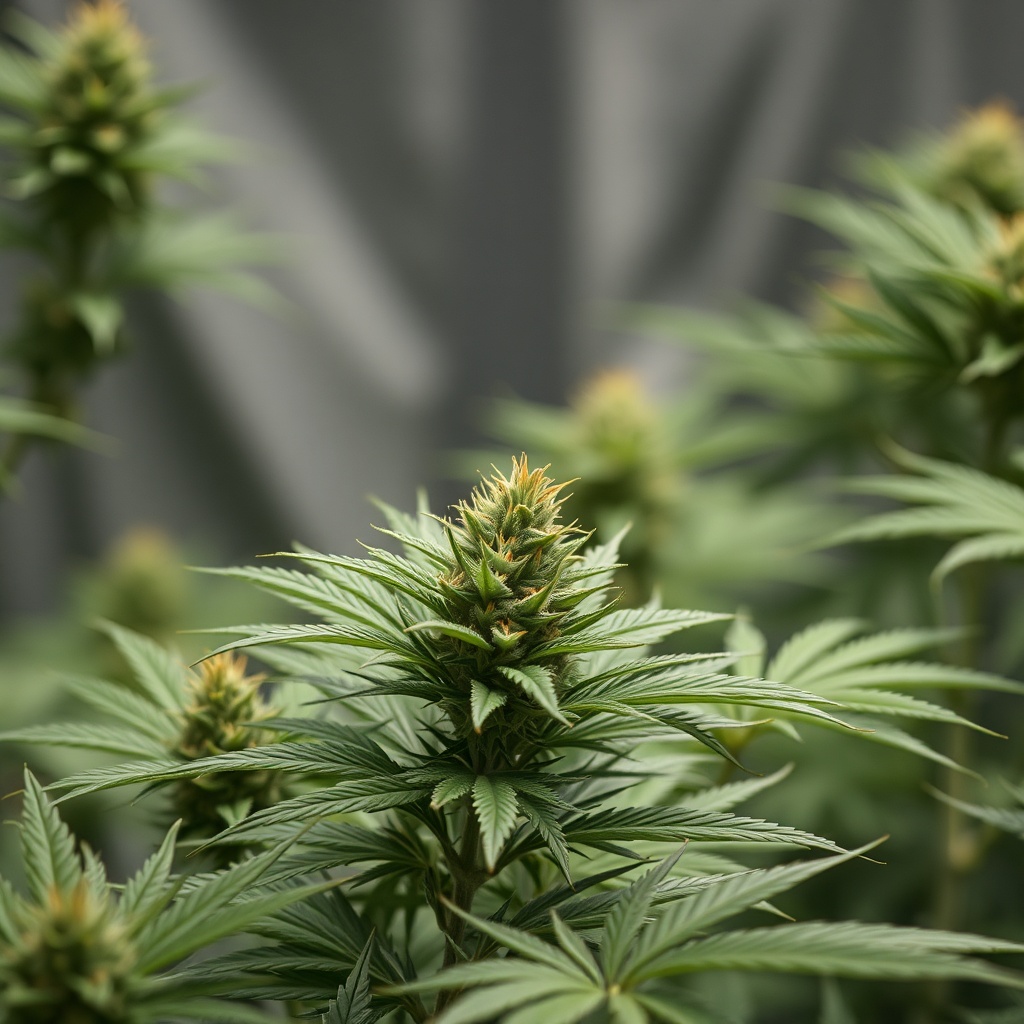
– Flower: Quick onset when smoked or vaped; easy to titrate dose but produces inhalation-related risks.
– Vapes and concentrates: Potent and fast-acting; ideal for experienced consumers who understand dosing.
– Edibles: Discreet and long-lasting, but slower onset and variable absorption make dosing tricky.
– Tinctures and sublinguals: Faster than edibles, easier to measure, and useful for microdosing.
– Topicals: Non-intoxicating options for localized relief like creams and balms.
Dosing: start low and go slow
Edibles and infused drinks can take 30–120 minutes to take effect and last many hours. Begin with a low dose and wait long enough before re-dosing. Helpful general guidelines:
– Microdose: about 1–2.5 mg THC for subtle effects.
– Low dose: about 2.5–5 mg THC for mild effects.
– Standard recreational dose: around 5–10 mg THC for many users.
CBD products can range widely; follow label suggestions and consult a professional if using for medical reasons. When combining CBD and THC, lower THC doses are often preferable to avoid unwanted intoxication.
Reading labels and verifying safety
Always check product labels for total cannabinoid content, serving size, and full ingredient lists. Look for third-party lab test results (COAs) that confirm potency and screen for contaminants such as pesticides, residual solvents, and heavy metals.
Lab verification is especially important for concentrates and edibles.
Health interactions and precautions
Cannabis can interact with prescription medications, particularly those metabolized by the liver. People with heart conditions, a history of psychosis, or who are pregnant or breastfeeding should avoid use or consult a healthcare provider. If using cannabis for symptom management, coordinate with your clinician to monitor effects and interactions.
Responsible use and practical tips
– Avoid driving or operating heavy machinery after use; impairment can persist longer with edibles.
– Store products safely and out of reach of children and pets.
– Keep track of strains, doses, and symptom changes in a journal to find what works best.
– Be mindful of local laws and workplace policies—legal status and testing rules vary by location.
Making informed choices
Selecting the right marijuana product is about knowing your goals, reading labels, and starting with conservative doses. Lab-tested products, transparency from suppliers, and a cautious approach to new methods of consumption reduce risk and improve outcomes. If using cannabis for medical reasons, partner with a healthcare provider to tailor use to your needs.