Cannabis Basics: How to Choose, Use, and Store for Safe, Effective Results
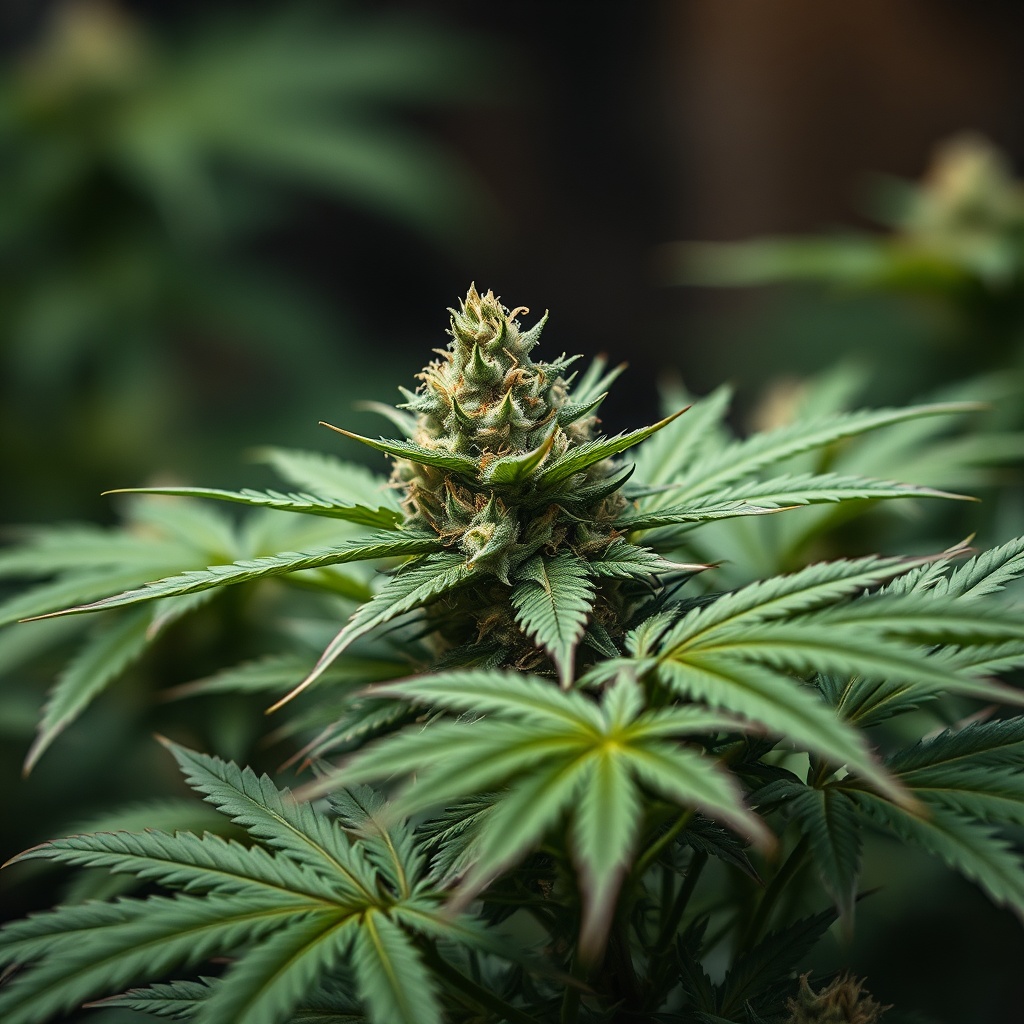
Cannabis continues to evolve beyond stigma into a refined plant medicine and lifestyle product. Whether exploring for wellness or recreation, understanding consumption methods, dosing, storage, and safety makes the experience more predictable and enjoyable.
Consumption methods and onset times
– Smoking and vaping: Fast onset—effects often begin within minutes and peak quickly. Vaping can be gentler on the lungs when using quality devices and properly tested cartridges.
– Edibles: Delayed onset—expect effects to begin after a longer absorption window. Start low and wait longer than you think before repeating a dose to avoid overconsumption.
– Sublingual tinctures: Faster than edibles but slower than inhalation. Placing drops under the tongue speeds absorption through mucous membranes.
– Topicals and transdermals: Best for localized relief (topicals) or consistent, systemic dosing (transdermals).
They are non-intoxicating unless formulated to deliver cannabinoids into the bloodstream.
Dosing tips for better control
– Microdosing: Many users report consistent benefits with small, frequent doses.
Start with a low microdose and increase slowly in predictable increments.
– Edible guidance: Because of delayed onset and variable metabolism, begin with a conservative amount and allow ample time for effects before taking more.
– Know your numbers: Look at milligrams of THC and CBD per serving.
Consistency and measurement are the most reliable ways to repeat a successful experience.
Terpenes and the entourage effect
Terpenes are aromatic compounds that influence flavor and subtle effects.
Familiar profiles include:
– Myrcene: Earthy, may promote relaxation
– Limonene: Citrus, often associated with elevated mood
– Linalool: Floral, may contribute calming properties
– Pinene: Piney, linked to alertness and focus
– Caryophyllene: Spicy, interacts with cannabinoid receptors for potential anti-inflammatory effects
Full-spectrum products contain cannabinoids, terpenes, and trace compounds that can work synergistically—often called the entourage effect. Broad-spectrum removes THC while preserving other compounds, and isolates contain only one cannabinoid.
Safety, testing, and quality
– Look for lab reports: A Certificate of Analysis (COA) shows potency and contaminant testing for pesticides, heavy metals, solvents, and microbes. Reputable suppliers publish COAs and batch numbers.
– Choose tested products: Unregulated products can contain harmful residues.
Prioritize licensed dispensaries or suppliers with transparent testing.
– Store properly: Keep products in an airtight, opaque container in a cool, dry place.
Avoid light, heat, and humidity to protect potency and flavor.
Keep out of reach of children and pets.
– Medication interactions: Cannabinoids can interact with prescription drugs via liver enzymes.
Consult a healthcare professional if you take other medications.
Practical dos and don’ts
– Do start low and go slow, especially with edibles or new products.
– Do keep a simple journal of doses, product details, and effects to refine your routine.
– Don’t drive or operate heavy machinery while impaired.
– Don’t assume legality—check local regulations before purchasing, possessing, or traveling with cannabis.
Choosing the right product comes down to desired effect, tolerance, and safety priorities.
With accurate labeling, lab-tested products, mindful dosing, and safe storage, cannabis can be integrated into wellness or recreational routines with greater confidence and consistency.