Cannabis has moved from niche subculture into mainstream wellness and recreational markets, and knowing how to choose and use products safely makes the difference between a good experience and a bad one. This guide covers what matters most: cannabinoids, delivery methods, dosing strategies, safety, and shopping tips.
Understanding cannabinoids and terpenes
Two cannabinoids dominate headlines: THC produces psychoactive effects, while CBD is non-intoxicating and often used for relaxation and symptom relief.
Less-known cannabinoids such as CBG and CBN are gaining attention for specific effects. Terpenes — aromatic compounds also found in many plants — shape aroma and can subtly influence the experience.
Look for product labels that list major cannabinoids and terpene profiles when possible.
Consumption methods and onset
– Smoking and vaping: Fast onset, effects felt within minutes. Smoking flower or using vaporizer cartridges is popular for social and acute symptom relief. Use well-maintained devices and avoid unregulated cartridges.
– Edibles: Slower onset, stronger and longer-lasting effects. Start with a low dose and wait at least two hours before increasing. Variability in digestion means effects can vary widely.
– Tinctures and sublinguals: Faster than edibles, slower than inhalation. Placed under the tongue for quicker absorption.
– Topicals: Applied to skin for localized effects; generally non-intoxicating and useful for targeted relief.
– Capsules and beverages: Offer measured dosing and convenience, but onset mirrors edibles unless formulated for faster absorption.
Dosing and microdosing
Individual tolerance, body chemistry, and product potency all influence dosing. Beginners should start low and go slow: microdosing (very low amounts of THC) can provide subtle benefits without impairment. For edibles, a conservative approach is to begin with a small fraction of a typical dose and wait patiently. Track products and doses to learn what works.
Safety and drug interactions
Cannabis can interact with prescription medications — especially blood thinners, sedatives, and drugs metabolized by liver enzymes. Discuss cannabis use with a healthcare provider if you take regular medication, have a chronic condition, are pregnant or breastfeeding, or have a history of mental health concerns. Never drive or operate heavy machinery while impaired; impairment can be subtle but dangerous.
Storage and child safety
Store cannabis products in a cool, dark, child-resistant container away from pets and children. Label products clearly and keep edibles out of sight and reach. Proper storage preserves potency and reduces the risk of accidental ingestion.
Shopping tips and quality indicators
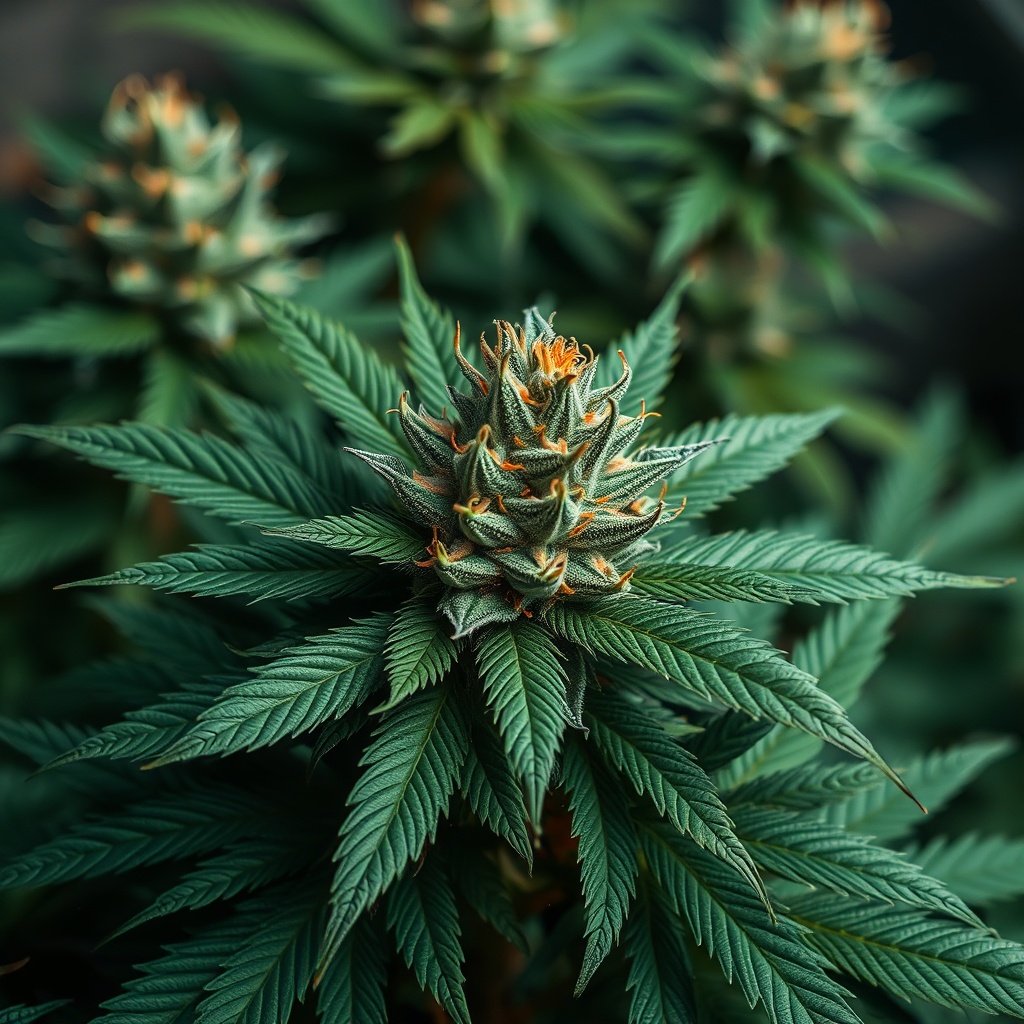
Buy from licensed retailers when possible.
Reliable producers provide third-party lab results that show cannabinoid content and screen for contaminants like pesticides and residual solvents. Look for clear potency labeling, batch numbers, and information about cultivation or extraction methods. If you prefer minimal processing, seek solventless concentrates or whole-plant extracts; those looking for precise dosing may prefer isolates or formulated products.
Sustainability and ethics
Sustainable cultivation practices, organic inputs, and transparent supply chains matter to many consumers.
Packaging that reduces waste and brands that prioritize fair labor and community reinvestment can be deciding factors when choosing among otherwise similar products.
Choosing the right cannabis product comes down to knowing what effect you want, starting with cautious dosing, and prioritizing safety and quality. With thoughtful selection and responsible use, cannabis can be integrated into wellness and lifestyle routines in a way that feels intentional and controlled.