How to Choose Cannabis Products That Match Your Goals: A Practical Guide
Cannabis offers a wide range of experiences and benefits when chosen and used deliberately. Whether you’re interested in symptom relief, relaxation, creativity, or social enjoyment, understanding product types, potency, terpenes, and safety can help you get the results you want while minimizing unwanted effects.
Know the basics: cannabinoids and terpenes
Cannabinoids like THC and CBD drive most of cannabis’s effects. THC is the primary psychoactive compound; CBD is non-intoxicating for most people and often used for anxiety or inflammation. Many other cannabinoids (e.g., CBG, CBN) have subtle effects that are becoming more widely understood.
Terpenes are aromatic compounds that influence flavor and may modulate effects—myrcene tends toward relaxation, limonene can feel uplifting, and pinene may support focus. Look for lab results that list cannabinoid and terpene profiles so you can match a product to your goals.
Match consumption method to desired onset and duration
– Inhalation (smoking or vaping): Fast onset—effects within minutes—shorter duration. Good for precise, titrated dosing and acute symptoms.
– Sublingual (tinctures): Faster than edibles but slower than inhalation; effects often arrive within 15–45 minutes with moderate duration.
– Edibles: Slow onset—30 minutes to 2 hours—and long duration.
Ideal for sustained relief but require patience and careful dosing to avoid overconsumption.
– Topicals: Localized relief without systemic intoxication; useful for soreness or skin conditions.
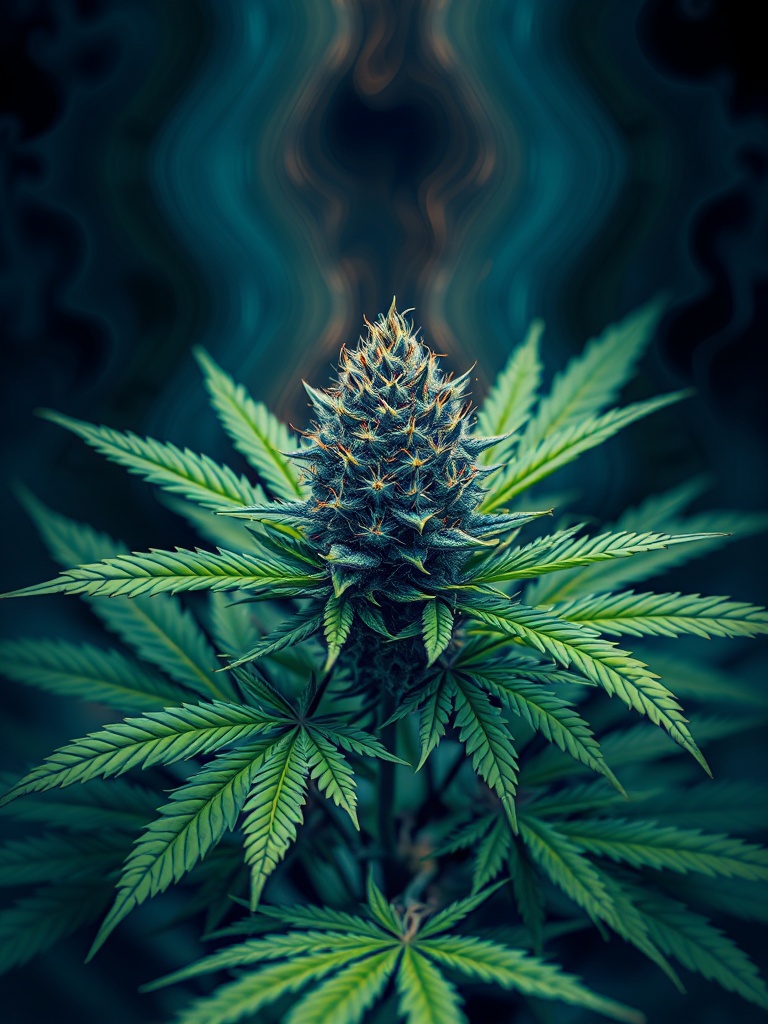
– Capsules and oils: Predictable dosing and discretion for routine use.
Dosing strategies: start low, go slow
Individual sensitivity varies due to tolerance, body weight, metabolism, and prior exposure.
A cautious approach reduces the likelihood of negative experiences:
– New or infrequent users: begin with a low THC amount (for example, single-digit milligrams) and wait enough time to feel effects before adding more.
– Edibles require especially patient dosing—wait at least a few hours before consuming more.
– Keep a log of products, doses, and outcomes to refine your personal sweet spot.
Read labels and verify testing
Choose products with clear labeling: total cannabinoid content, serving size, and ingredient lists. Third-party lab testing for potency and contaminants (pesticides, heavy metals, residual solvents, microbial contaminants) is essential for safety—look for accessible Certificates of Analysis (COAs).
Safety notes and interactions
Cannabis can interact with prescription medications, notably blood thinners and drugs metabolized by liver enzymes. Combining cannabis with alcohol or sedatives increases impairment. Avoid driving or operating heavy machinery while under the influence.
If you have medical conditions, are pregnant, or are breastfeeding, discuss cannabis use with a healthcare professional.
Storage and freshness
Store products in a cool, dark, airtight container away from children and pets. Proper storage preserves potency and flavor while reducing mold risk for flower.
Choose reputable retailers and products
Buy from licensed or well-reviewed retailers that provide transparency about sourcing and testing. When trying a new product, purchase small amounts to assess effects before investing in larger quantities.
A mindful approach helps you unlock cannabis’s benefits while limiting downsides. By focusing on product transparency, appropriate dosing, and safe consumption practices, you can tailor your experience to meet practical and personal goals.